Archive

March 2016

Browsing

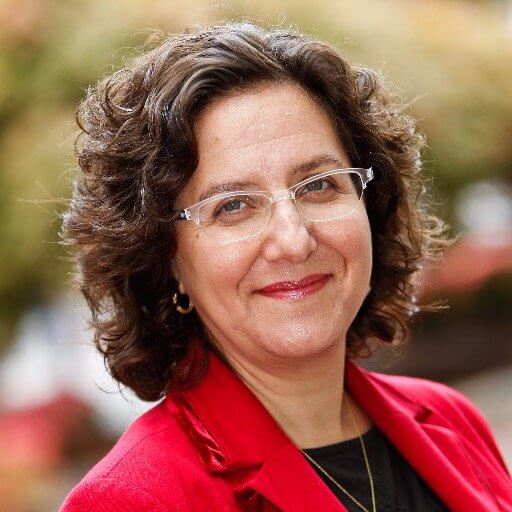
Silvia Hassoun interviews Palestinian filmmaker Muayad Alayan about his first feature film Love, Theft and other Entanglements, which presents a fresh and innovative way to look at the reality of occupation in Palestine. Alayan says, “We wanted to create a story that is somehow unreal like a fairy tale. Not because the characters and their problems are not real, they are very real, but because we wanted to express a state of mind and a feeling that I myself go through everyday living under occupation. My generation, the post-Oslo generation, we are really exploring the dark comedy and sarcasm.”
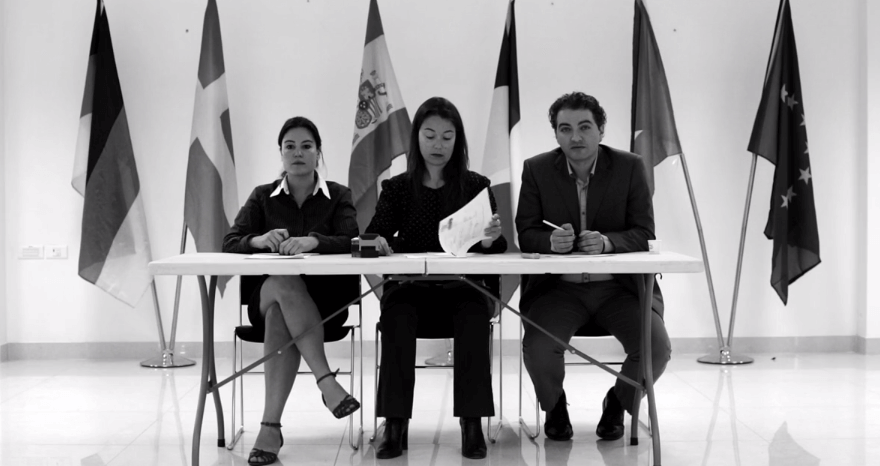
One of Israel’s biggest newspapers, Yedioth Ahronoth, staged the country’s first national conference against the boycott, divestment and sanctions (BDS) movement in Jerusalem. Antony Loewenstien reports, “It was a surreal day, filled with determination to defeat BDS, but participants were seemingly incapable of truly understanding why the movement was surging globally. Fear, paranoia, anger and determination was ubiquitous amongst the panelists and audience. BDS could never have imagined a more high-profile advertisement for its agenda.”

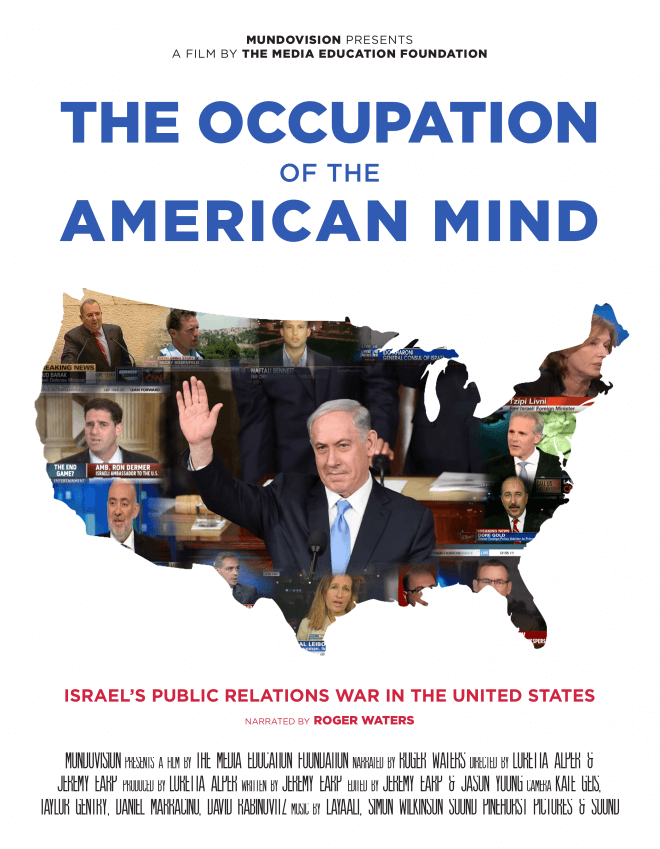
The new documentary “The Occupation of the American Mind,” narrated by Roger Waters, asks when US public opinion will shift on Israeli treatment of Palestinians and what it will take for the media to shift from reflexive pro-Israel reports.

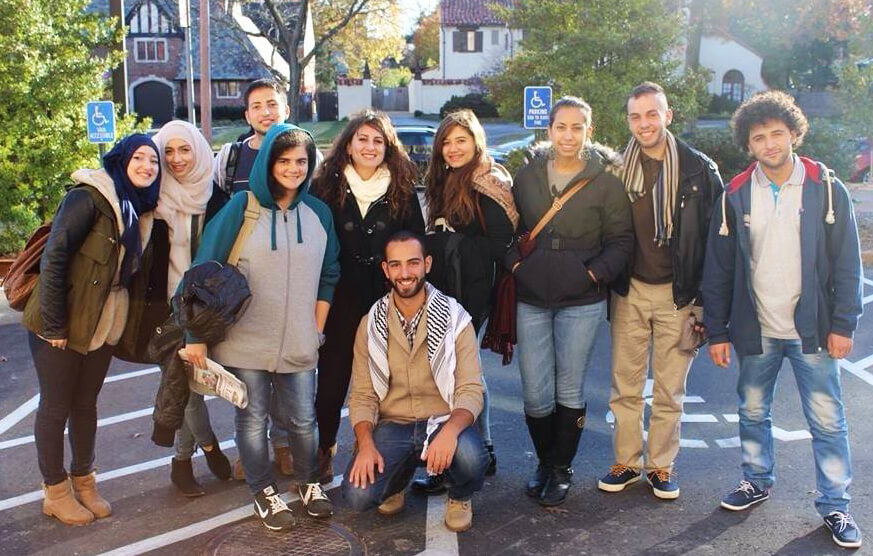
Next week the 2016 Right to Education tour will arrive in the United States. During the first two weeks in April students from universities across Palestine will be speaking at American university campuses about their experiences studying under Israeli occupation and the impact of colonialism on their education. Organizers are putting a spotlight on two locations the tour will be arriving in this year: The University of Hawaii and the Pine Ridge Reservation in South Dakota. Both of these locations reflect the long history of US settler-colonization and their inclusion in the tour aims to accentuate the continuing struggle of both the Kanaka Maoli and Oglala Sioux indigenous peoples.

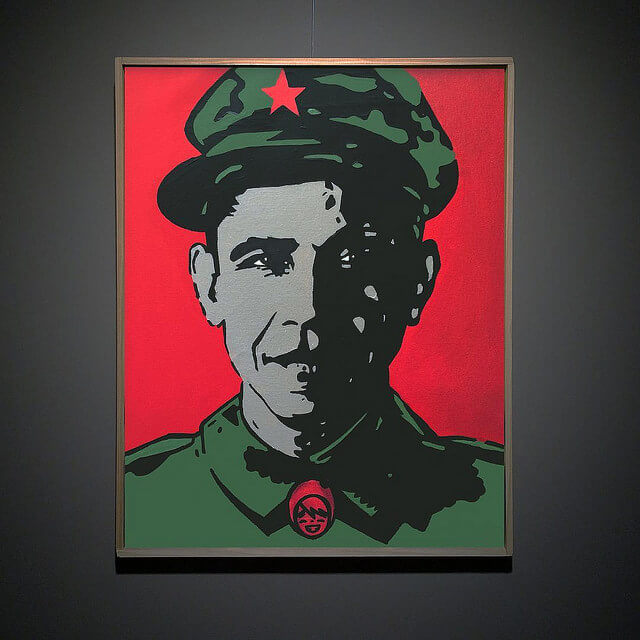
In Cuba, President Obama revealed himself as a man of the left who cares about racial justice, human rights, and not being trapped by colonial history. His bold statements apply to Palestine too, but the president will just have to settle for opening Cuba.