The upcoming U.S. and Israeli elections will likely lead Donald Trump and Benjamin Netanyahu to renew their misguided war on Iran with even greater ferocity than before in an effort to save their political lives.
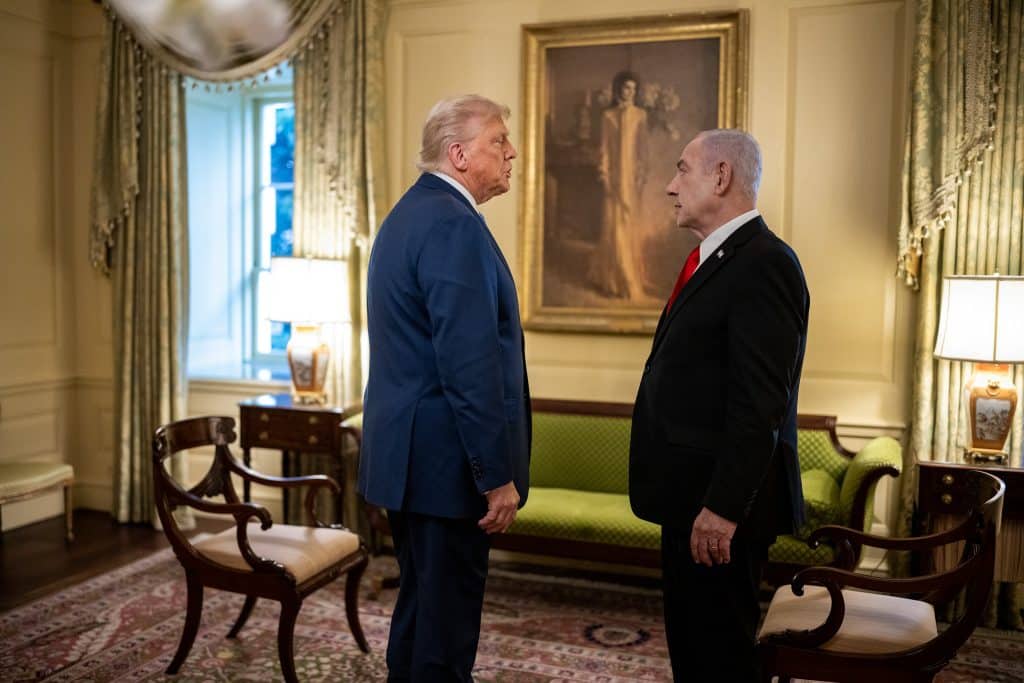

The upcoming U.S. and Israeli elections will likely lead Donald Trump and Benjamin Netanyahu to renew their misguided war on Iran with even greater ferocity than before in an effort to save their political lives.
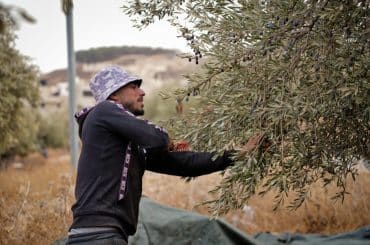
Israeli settlers are blocking, assaulting, and robbing Palestinian olive harvesters. For some 100,000 families in the West Bank who rely on the harvest for income, this season may decide whether the olive harvest survives at all.
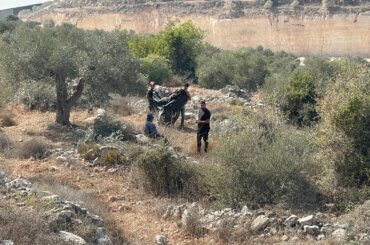
Israel is detaining international observers for one simple reason: to prevent us from reporting on its ethnic cleansing project in Palestine.
Israeli settlers are blocking, assaulting, and robbing Palestinian olive harvesters. For some 100,000 families in the West Bank who rely on the harvest for income, this season may decide whether the olive harvest survives at all.

Freelance journalists in Gaza are risking their lives to document the genocide, often with no protections from the news agencies that hire them and rely on their work.
AIPAC recently spent $100,000 on mailers targeting Abdul El-Sayed in Michigan’s Senate race. Is it too little, too late?
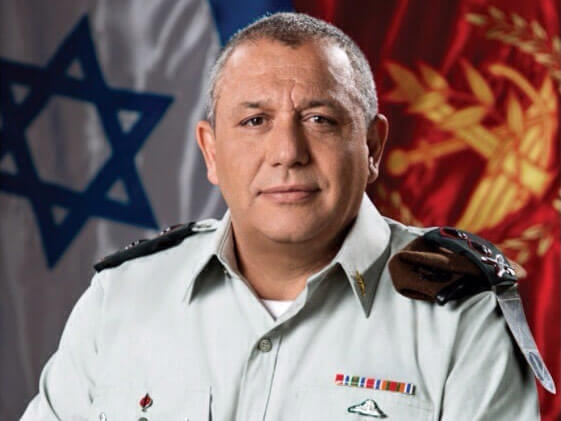
Israeli election season has been dominated by Zionist debate over October 7, but this debate has not included discussion of ending the Gaza genocide because no one in Israeli society wants this to happen.

Adopting the IHRA definition of antisemitism has become a marker of Latin America’s rightward shift, as governments across the region align with Israeli foreign policy and move to criminalize solidarity with Palestine.
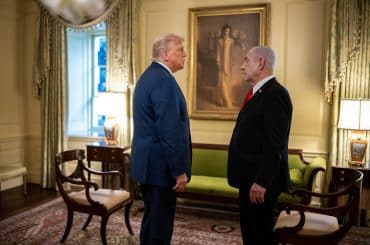
The upcoming U.S. and Israeli elections will likely lead Donald Trump and Benjamin Netanyahu to renew their misguided war on Iran with even greater ferocity than before in an effort to save their political lives.
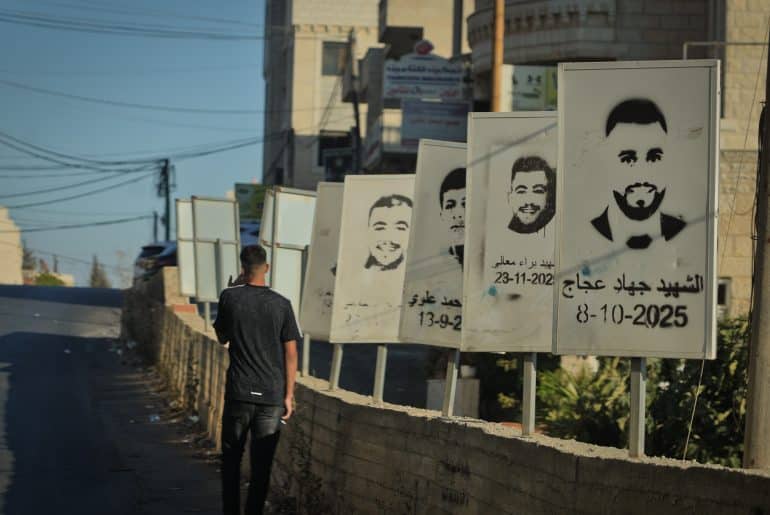
Covering Israeli settler attacks on the Palestinian olive harvest, Mondoweiss’ Palestine Staff Writer asks how to tell a story when you and the subject are one and the same.
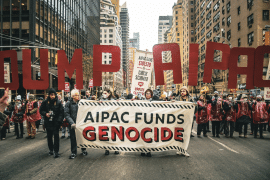
Four Times reporters, 53 paragraphs, and no mention of AIPAC’s new stealth strategy: hiding Israel and running ads on unrelated issues in primaries.
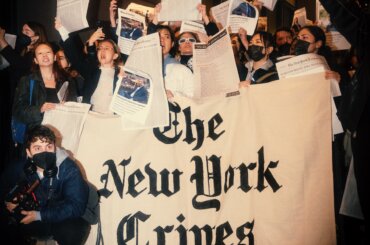
Since the start of the genocide in Gaza, the so-called paper of record has begun to update its language on Israel, reflecting a larger shift in US public opinion.

Robert Kraft got Macklemore ousted from Ed Sheeran’s tour over “Free Palestine.” A look at the NFL owner’s record makes it clear why: funding the IDF, fighting BDS, courting Netanyahu, and bringing football legends on tours of Israel.
Israel is detaining international observers for one simple reason: to prevent us from reporting on its ethnic cleansing project in Palestine.
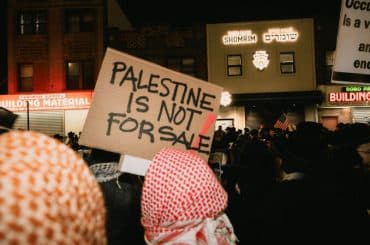
The Palestine solidarity movement is exerting pressure on illegal Palestinian land sales in New York and New Jersey, but only Mayor Mamdani can ban them once and for all.

At Port Newark-Elizabeth, activists are escalating their tactics to stop weapons shipments to Israel. Mondoweiss reports from the port’s front lines.