The contours of the battle over the future of the Democrats’ policy toward Israel are starting to take shape, and J Street is trying to cement support for the existence of a Jewish ethno-state as the Party’s bottom line.


The contours of the battle over the future of the Democrats’ policy toward Israel are starting to take shape, and J Street is trying to cement support for the existence of a Jewish ethno-state as the Party’s bottom line.

After relying on an unreliable Trump for defense, suspending normalization talks with Israel, and losing access to the Bab-al-Mandab Strait, Saudi Arabia turns to hesitant allies for help.

Whether it’s Macklemore, Hasan Piker, or your neighborhood activist, this is a fight to make sure billionaires and politicians cannot stop free speech and will have to hear the calls to “Free Palestine” whether they like it or not.

The UK’s new sanctions on Israeli settlements may be groundbreaking, but they’re also full of loopholes. F-35 parts are exempt, the state itself is untouched, and enforcement won’t start for months. Real progress, but far from enough.
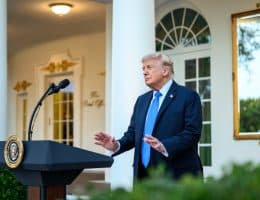
The U.S. and Iran are trading strikes while carefully avoiding all-out war, and both sides are hiding the damage they’ve suffered. The difference is Iran has more reason to end the stalemate, and less patience for Washington’s forever-war strategy.

Trump’s “Operation Economic Outcast” to impose secondary sanctions on countries trading with Iran is a tacit admission of U.S. military defeat. But sanctions haven’t worked for 47 years, and Iran won’t let the U.S. decide when the shooting war ends.

Netanyahu’s campaign billboard lumps Zohran Mamdani with Iran and Hezbollah as an “enemy”, an admission that he’s losing America, and that no successor will fix Israel’s underlying apartheid problem.
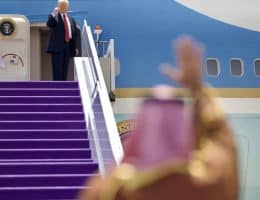
The new defense agreement among Saudi Arabia, Türkiye, and Pakistan highlights how Israeli aggression is compelling the region to reconfigure its alliances and serves as the latest evidence of the United States’ declining global influence.

Demands that Hamas disarm follow decades of international calls for a “demilitarized Palestinian state.” These demands insist that Palestinians surrender their right to self-defense, a right no people should relinquish.

Benjamin Netanyahu gushed about his White House meeting with Donald Trump this week, but the meeting was most notable for what went unsaid about Iran.