The United Arab Emirates’ decision to leave OPEC has been described as a major earthquake in the oil market, but its impact on international politics could be even more profound.
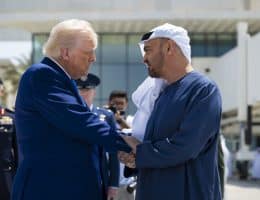

The United Arab Emirates’ decision to leave OPEC has been described as a major earthquake in the oil market, but its impact on international politics could be even more profound.
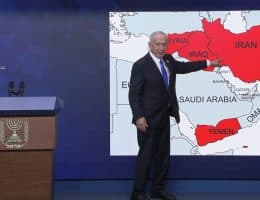
As the U.S. and Iran face off in the Strait of Hormuz, Israel will do everything it can to reignite the war with Iran and resume its offensive in Lebanon.

It’s clear the Trump administration recognizes the Iran war has been a catastrophe. But while the U.S. may want a way out, the first round of negotiations with Iran showed that finding an exit may be difficult.
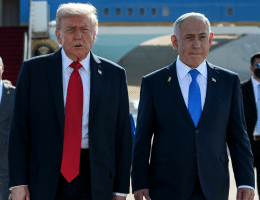
As the shaky ceasefire between the U.S. and Iran holds, only Israel has an incentive to continue fighting, as Netanyahu is widely seen as having lost the war. If there is to be a durable end to this war, the U.S. will be forced to rein in Israel.

Trump faces a disaster of his own making in Iran. He had no plan to address Iran’s predictable retaliation, including closing the Strait of Hormuz, but even if he did, he faces another problem: Israel, his disastrous choice for a partner in crime.
A month into the Iran war, it is clear that Israel aims to disrupt any possible off-ramp the Trump administration and Iran may be looking for to end the fighting, and that Iran, not the U.S., is the key actor that will determine how the war ends.

These are signs of the growing impatience of Iran’s Arab neighbors with Iran’s tactic of striking at them in response to Israeli or American attacks. But the anger of the Gulf states isn’t only reserved for Iran.

While the U.S. and Israel share a goal of weakening the one state that has challenged their joint agenda in the Middle East, Israel’s desire to achieve regional hegemony by any means necessary may not fare well for the U.S. and its own interests.
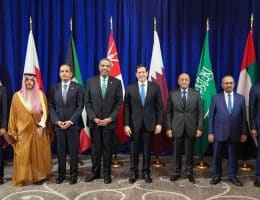
Iran’s retaliatory attacks on its neighbors, and the U.S. failure to plan for them, are forcing the Gulf Cooperation Council states to reconsider their regional strategies and their relationship with Washington.
The U.S.-Israeli war on Iran has been built on lies. Here is the truth about Iran’s nuclear weapons program, the claim that Iran was an imminent threat, and the lie that Trump has a plan for what happens next.