In addition to the unrelenting bombardment, Palestinians in Gaza are at risk of losing their lives and limbs through the unexploded ordnances that the Israeli army leaves behind.
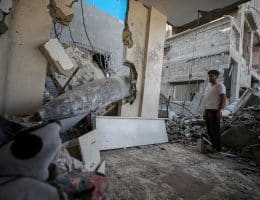

In addition to the unrelenting bombardment, Palestinians in Gaza are at risk of losing their lives and limbs through the unexploded ordnances that the Israeli army leaves behind.
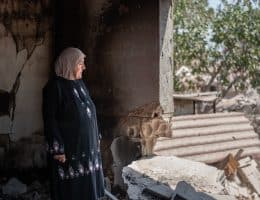
As part of a U.S.-brokered agreement with Israel and Lebanon, residents of some southern villages are cautiously returning to their homes. What they have found is a shell of their former lives, and a daily menacing presence of the Israeli occupation.

Israel is preparing to give settlers access to a main Palestinian thoroughfare in Ramallah, a move that would bring checkpoints and gates to one of the West Bank’s last spaces of free Palestinian movement and affordable urban growth.

Child marriage in Gaza is surging, with 20.6% of recent marriages involving girls under 18. Amid hunger, displacement, and a collapsed legal system, girls are losing their childhoods to a “protection” that doesn’t exist.

Families and spouses in Gaza are still waiting to be reunited with their loved ones after the Israeli army suspended travel in and out of the Strip.
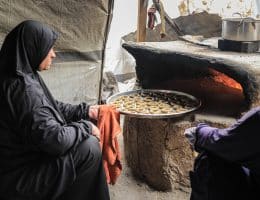
Women in Gaza who lost their husbands in the genocide are caught between the need to work and the pain of leaving their children alone, susceptible to Israeli violence. According to the UN, these women now represent 1 in 4 households in Gaza.
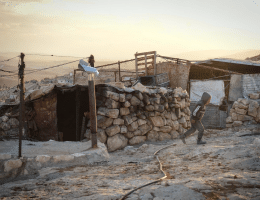
In Masafer Yatta in the southern occupied West Bank, Israeli settlers are accelerating their attacks on Palestinian farmers and herders in the area by cutting off their water supply.

For the second time, a self-funded civil society list led by young Gazans is seeking a seat in the Palestinian Legislative Council, focusing on immediate hardships, like unemployment, healthcare, and shelter, rather than political ideology.
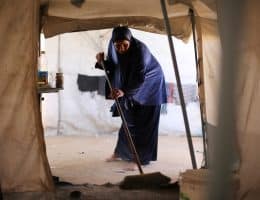
In Gaza, women whose husbands are missing or buried under the rubble are facing a little-known crisis. Without death certificates for their husbands, they’re locked out of bank accounts, aid, and custody rights, trapped in bureaucratic limbo amid genocide.
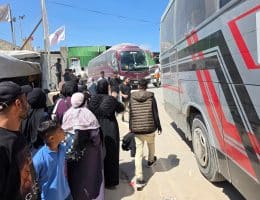
Through embassy evacuations, academic fellowships, and WHO medical corridors, Palestinians are leaving Gaza in small but steady numbers. Israeli officials call it “voluntary migration,” but the Gazans forced to leave know it’s part of Israel’s plan.