Settler attacks in the West Bank are ongoing with the enthusiastic approval of the Israeli army, as Palestinians are barred from accessing their own land, and their olive groves, for the fourth year in a row.
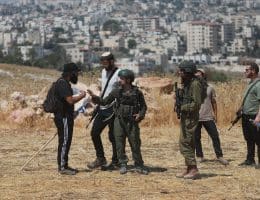

Settler attacks in the West Bank are ongoing with the enthusiastic approval of the Israeli army, as Palestinians are barred from accessing their own land, and their olive groves, for the fourth year in a row.
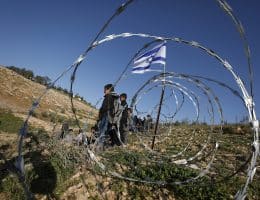
From my uncle’s exasperated sighs over olive groves we can no longer reach, to the iron gates the Israeli army has erected at the edge of my village, there is one word we use to cope: ‘aadi’, or, “normal” in Arabic. But this reality is anything but.
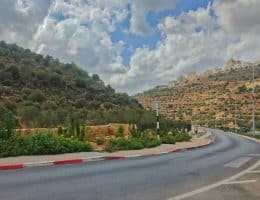
Israel is preparing to give settlers access to a main Palestinian thoroughfare in Ramallah, a move that would bring checkpoints and gates to one of the West Bank’s last spaces of free Palestinian movement and affordable urban growth.
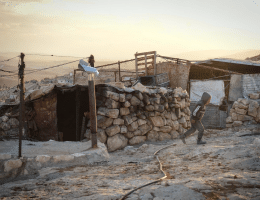
In Masafer Yatta in the southern occupied West Bank, Israeli settlers are accelerating their attacks on Palestinian farmers and herders in the area by cutting off their water supply.
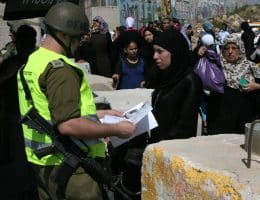
As a Palestinian journalist, I have spent my career explaining the context the world keeps ignoring. But I’ve come to realize that the context is itself the story, and we aren’t done telling it.
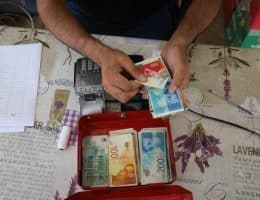
As Israel’s financial strangulation of the Palestinian economy enters its third year, Palestinians are turning to each other — forgiving debts worth millions of shekels in a viral solidarity campaign that began with a schoolteacher’s bounced check.
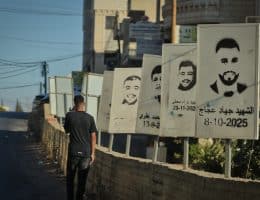
For three generations, Ali Abu Khdeir’s family lived in the home his grandfather built in Deir Jarir until Israeli settlers made staying too dangerous. Now residents fear that their families are next.

With 64 percent of Palestinians under 30 and elections announced for November, a generation that has never voted is being asked to trust a political system that has failed them — before, during, and after the genocide in Gaza.
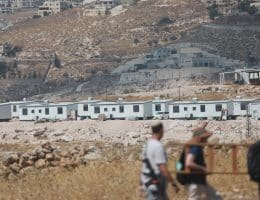
Announced days after UK and European sanctions on settlements, Israel’s expansion of Mishmar Yehuda folds an illegal outpost into a planned city between Jerusalem and Bethlehem, advancing Israel’s decades-old plan to cut the West Bank in half.
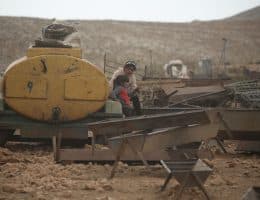
Since Israel severed the water lines feeding Ras al-Ahmar over a month ago, its 47 farming families have been rationing what little they have and weighing whether to sell their livestock and leave.