With 64 percent of Palestinians under 30 and elections announced for November, a generation that has never voted is being asked to trust a political system that has failed them — before, during, and after the genocide in Gaza.
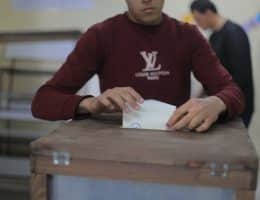

With 64 percent of Palestinians under 30 and elections announced for November, a generation that has never voted is being asked to trust a political system that has failed them — before, during, and after the genocide in Gaza.
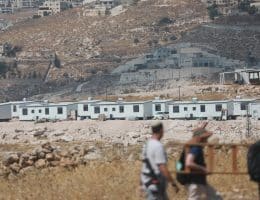
Announced days after UK and European sanctions on settlements, Israel’s expansion of Mishmar Yehuda folds an illegal outpost into a planned city between Jerusalem and Bethlehem, advancing Israel’s decades-old plan to cut the West Bank in half.
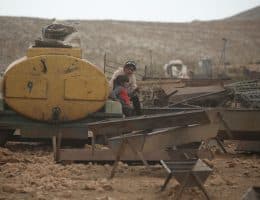
Since Israel severed the water lines feeding Ras al-Ahmar over a month ago, its 47 farming families have been rationing what little they have and weighing whether to sell their livestock and leave.
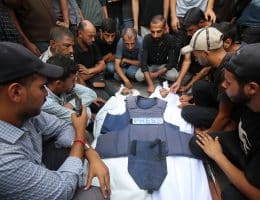
I didn’t choose to make my identity political. But for Palestinian journalists, even naming our own grief and experiences gets branded as ‘ideological’.
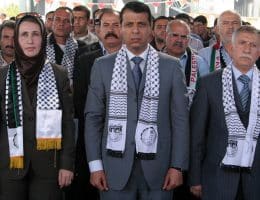
A UAE-sponsored plan by exiled Fatah dissident Muhammad Dahlan to “end Palestinian division” has quietly become the working platform for an unlikely electoral alliance with Hamas. Here is what this could mean for the future of Palestinian politics.
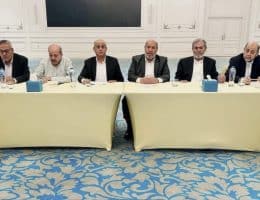
Hamas, Islamic Jihad, and rival Fatah dissidents have united in an unprecedented coalition for the first Palestinian elections since 2006. But Israeli repression and foreign pressure raise doubts about whether free politics is possible under occupation.
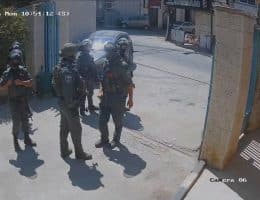
As Israeli forces move to take over remaining UNRWA facilities in Jerusalem, residents of Qalandia and Shufaat refugee camps fear the assault on the UN agency is linked to the ongoing Israeli military crackdown on the camps.
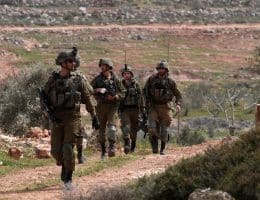
As settlers besiege Palestinian families in Qusra, Israel’s government responds by handing settlement security to the police of hardline minister Ben-Gvir- a move seen to further entrench Israeli annexation of the West Bank.
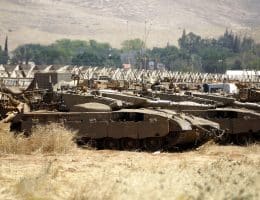
For months, Palestinian farmers in the northern West Bank have watched their water lines cut and their wells marked for demolition in Israel’s slow strangulation of Palestinian agriculture, as farmers tell Mondoweiss “there is no tomorrow” for them.
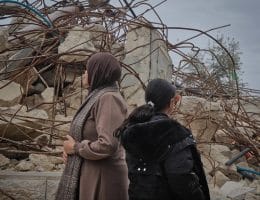
For years, I believed journalism gave Palestinians a voice, but the people I interviewed taught me that the voice was always theirs. I only needed to learn how to listen.