As Israel’s financial strangulation of the Palestinian economy enters its third year, Palestinians are turning to each other — forgiving debts worth millions of shekels in a viral solidarity campaign that began with a schoolteacher’s bounced check.
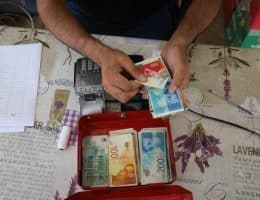

As Israel’s financial strangulation of the Palestinian economy enters its third year, Palestinians are turning to each other — forgiving debts worth millions of shekels in a viral solidarity campaign that began with a schoolteacher’s bounced check.
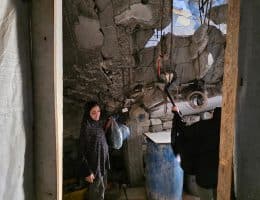
With more than 40,000 Palestinians sheltering in collapse-prone buildings and a “nightmare” winter approaching, Gaza’s Civil Defense warns of a preventable catastrophe unfolding in plain sight.
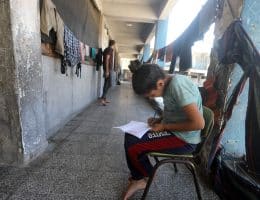
For the fourth consecutive year, hundreds of thousands of Gaza’s children return not to classrooms, but to fabric shelters and makeshift wooden structures, holding onto traces of a school system Israel’s genocide has destroyed.
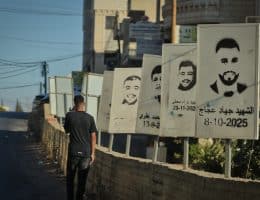
For three generations, Ali Abu Khdeir’s family lived in the home his grandfather built in Deir Jarir until Israeli settlers made staying too dangerous. Now residents fear that their families are next.
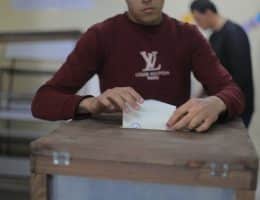
With 64 percent of Palestinians under 30 and elections announced for November, a generation that has never voted is being asked to trust a political system that has failed them — before, during, and after the genocide in Gaza.
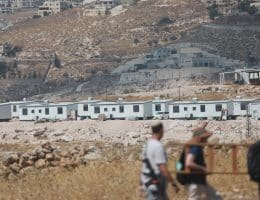
Announced days after UK and European sanctions on settlements, Israel’s expansion of Mishmar Yehuda folds an illegal outpost into a planned city between Jerusalem and Bethlehem, advancing Israel’s decades-old plan to cut the West Bank in half.
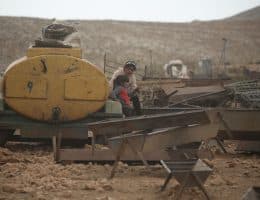
Since Israel severed the water lines feeding Ras al-Ahmar over a month ago, its 47 farming families have been rationing what little they have and weighing whether to sell their livestock and leave.
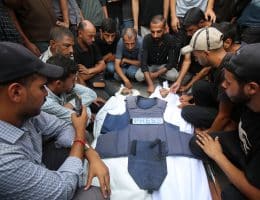
I didn’t choose to make my identity political. But for Palestinian journalists, even naming our own grief and experiences gets branded as ‘ideological’.
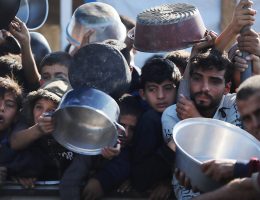
In the pediatrics department at Nasser Hospital in Gaza, doctors are seeing a surge in stunted growth among children. This lasting mark of Israel’s engineered famine may affect cognition, hormones, and health for generations to come.
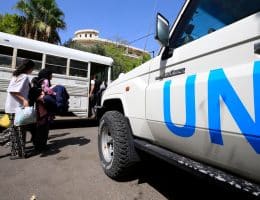
The United Nations Relief and Works Agency has excluded six Palestinian refugee camps in Lebanon from emergency cash assistance, as Israeli attacks and Western donor cuts leave families choosing between food and medicine.