Women in Gaza who lost their husbands in the genocide are caught between the need to work and the pain of leaving their children alone, susceptible to Israeli violence. According to the UN, these women now represent 1 in 4 households in Gaza.
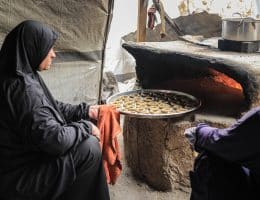

Women in Gaza who lost their husbands in the genocide are caught between the need to work and the pain of leaving their children alone, susceptible to Israeli violence. According to the UN, these women now represent 1 in 4 households in Gaza.
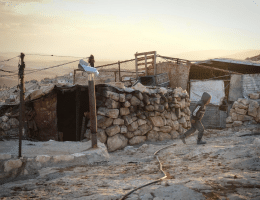
In Masafer Yatta in the southern occupied West Bank, Israeli settlers are accelerating their attacks on Palestinian farmers and herders in the area by cutting off their water supply.
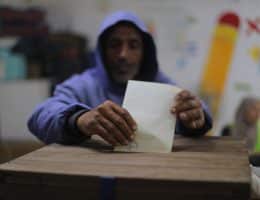
For the second time, a self-funded civil society list led by young Gazans is seeking a seat in the Palestinian Legislative Council, focusing on immediate hardships, like unemployment, healthcare, and shelter, rather than political ideology.
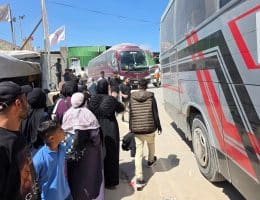
Through embassy evacuations, academic fellowships, and WHO medical corridors, Palestinians are leaving Gaza in small but steady numbers. Israeli officials call it “voluntary migration,” but the Gazans forced to leave know it’s part of Israel’s plan.
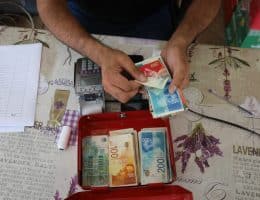
As Israel’s financial strangulation of the Palestinian economy enters its third year, Palestinians are turning to each other — forgiving debts worth millions of shekels in a viral solidarity campaign that began with a schoolteacher’s bounced check.
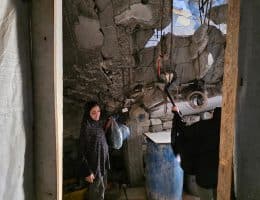
With more than 40,000 Palestinians sheltering in collapse-prone buildings and a “nightmare” winter approaching, Gaza’s Civil Defense warns of a preventable catastrophe unfolding in plain sight.
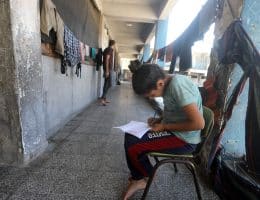
For the fourth consecutive year, hundreds of thousands of Gaza’s children return not to classrooms, but to fabric shelters and makeshift wooden structures, holding onto traces of a school system Israel’s genocide has destroyed.
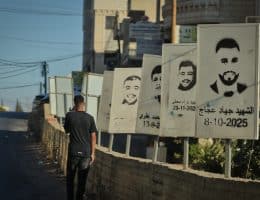
For three generations, Ali Abu Khdeir’s family lived in the home his grandfather built in Deir Jarir until Israeli settlers made staying too dangerous. Now residents fear that their families are next.

With 64 percent of Palestinians under 30 and elections announced for November, a generation that has never voted is being asked to trust a political system that has failed them — before, during, and after the genocide in Gaza.
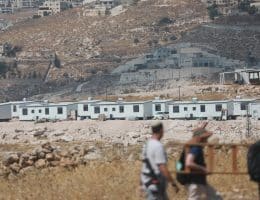
Announced days after UK and European sanctions on settlements, Israel’s expansion of Mishmar Yehuda folds an illegal outpost into a planned city between Jerusalem and Bethlehem, advancing Israel’s decades-old plan to cut the West Bank in half.