Escaping genocide in Gaza is the beginning of another struggle in exile.


Escaping genocide in Gaza is the beginning of another struggle in exile.
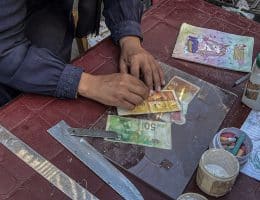
Israeli-imposed financial restrictions are choking Gaza’s economy as banknotes run out, leaving the average consumer with a heavy price to pay.
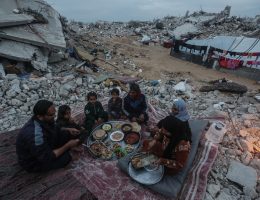
In scattered tents across Gaza, families once bound by shared meals and evenings by the sea now focus solely on survival. The rituals that once bonded fathers to their children, or women to their neighbors, have been shattered by Israel’s genocide.

In Gaza, an entire generation of children born into the genocide has no memory of how life was like before, and doesn’t know about the world outside Gaza’s walls.
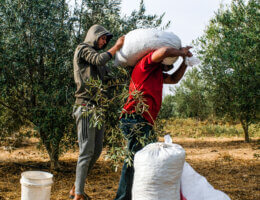
The Israeli army has bulldozed over 1.6 million olive trees in Gaza since the beginning of the genocide in 2023, threatening the livelihood and heritage of olive farming communities, and the survival of a centuries-old Palestinian cultural tradition.
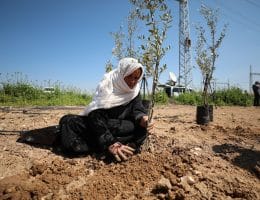
The olive harvest in Gaza is at risk, but the people of the land refuse to give up.
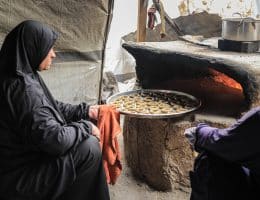
Women in Gaza who lost their husbands in the genocide are caught between the need to work and the pain of leaving their children alone, susceptible to Israeli violence. According to the UN, these women now represent 1 in 4 households in Gaza.
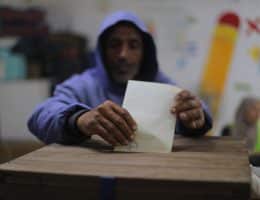
For the second time, a self-funded civil society list led by young Gazans is seeking a seat in the Palestinian Legislative Council, focusing on immediate hardships, like unemployment, healthcare, and shelter, rather than political ideology.
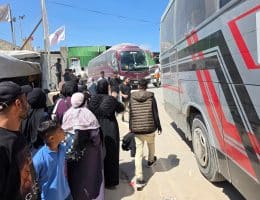
Through embassy evacuations, academic fellowships, and WHO medical corridors, Palestinians are leaving Gaza in small but steady numbers. Israeli officials call it “voluntary migration,” but the Gazans forced to leave know it’s part of Israel’s plan.
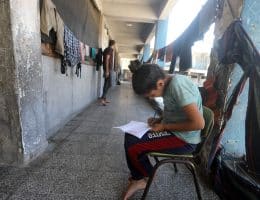
For the fourth consecutive year, hundreds of thousands of Gaza’s children return not to classrooms, but to fabric shelters and makeshift wooden structures, holding onto traces of a school system Israel’s genocide has destroyed.