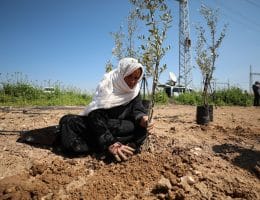
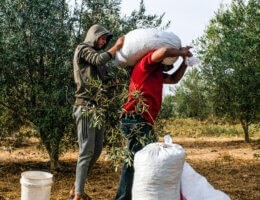
The Israeli army has bulldozed over 1.6 million olive trees in Gaza since the beginning of the genocide in 2023, threatening the livelihood and heritage of olive farming communities, and the survival of a centuries-old Palestinian cultural tradition.
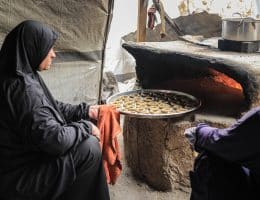
Women in Gaza who lost their husbands in the genocide are caught between the need to work and the pain of leaving their children alone, susceptible to Israeli violence. According to the UN, these women now represent 1 in 4 households in Gaza.
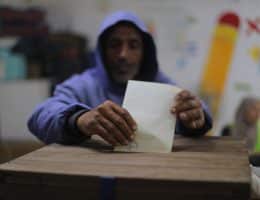
For the second time, a self-funded civil society list led by young Gazans is seeking a seat in the Palestinian Legislative Council, focusing on immediate hardships, like unemployment, healthcare, and shelter, rather than political ideology.
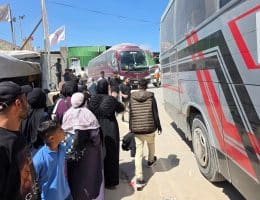
Through embassy evacuations, academic fellowships, and WHO medical corridors, Palestinians are leaving Gaza in small but steady numbers. Israeli officials call it “voluntary migration,” but the Gazans forced to leave know it’s part of Israel’s plan.
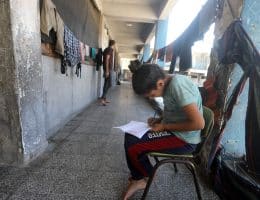
For the fourth consecutive year, hundreds of thousands of Gaza’s children return not to classrooms, but to fabric shelters and makeshift wooden structures, holding onto traces of a school system Israel’s genocide has destroyed.
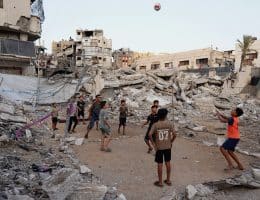
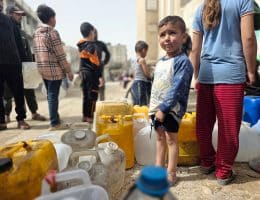
Trading backpacks for empty jerrycans, the start of a new school year in Gaza shows how radically the meaning of childhood has been redefined.
In the pediatrics department at Nasser Hospital in Gaza, doctors are seeing a surge in stunted growth among children. This lasting mark of Israel’s engineered famine may affect cognition, hormones, and health for generations to come.
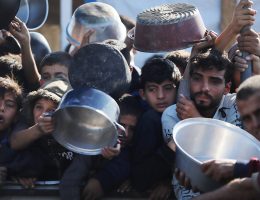
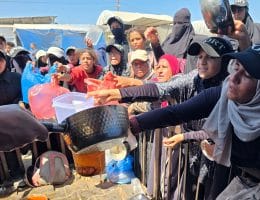
Prices have fallen sharply since the famine of 2025, but with purchasing power destroyed by nearly three years of war and displacement, food on the shelves remains out of reach for the majority of Gaza’s population.