The documentary film by Yuval Abraham and Rachel Szor follows the predictable script of the regretful soldier, but the subjects in NAZA express something darker: mourning the loss of power.


The documentary film by Yuval Abraham and Rachel Szor follows the predictable script of the regretful soldier, but the subjects in NAZA express something darker: mourning the loss of power.
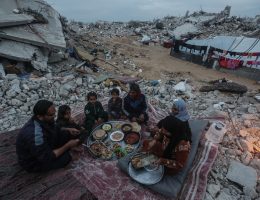
In scattered tents across Gaza, families once bound by shared meals and evenings by the sea now focus solely on survival. The rituals that once bonded fathers to their children, or women to their neighbors, have been shattered by Israel’s genocide.

In Gaza, an entire generation of children born into the genocide has no memory of how life was like before, and doesn’t know about the world outside Gaza’s walls.
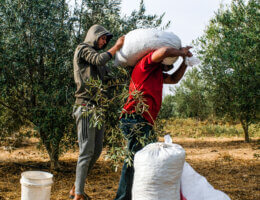
The Israeli army has bulldozed over 1.6 million olive trees in Gaza since the beginning of the genocide in 2023, threatening the livelihood and heritage of olive farming communities, and the survival of a centuries-old Palestinian cultural tradition.

Palestinians with Israeli citizenship are no longer asked to pledge allegiance, but to renounce their own history. Palestinian Knesset candidate Sami Abu Shehadeh did exactly that before Israel’s Supreme Court, and was pushed out anyway.
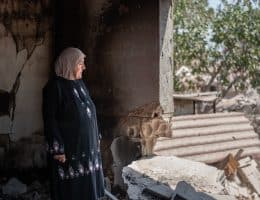
As part of a U.S.-brokered agreement with Israel and Lebanon, residents of some southern villages are cautiously returning to their homes. What they have found is a shell of their former lives, and a daily menacing presence of the Israeli occupation.

Child marriage in Gaza is surging, with 20.6% of recent marriages involving girls under 18. Amid hunger, displacement, and a collapsed legal system, girls are losing their childhoods to a “protection” that doesn’t exist.

Netanyahu’s speech at the UN General Assembly was not directed at the world, but Israelis. He was trying to convince them that Israel doesn’t need to change, as long as it stands united against the world — and lives by the sword.

Families and spouses in Gaza are still waiting to be reunited with their loved ones after the Israeli army suspended travel in and out of the Strip.
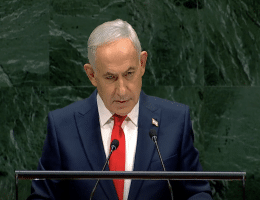
At the end of Israeli Prime Minister Benjamin Netanyahu’s unhinged rant at the UN, he recited a seemingly obscure Bible verse. But it’s actually a dog whistle for genocide.