In an effort to apologize for last year’s notorious election-day comment when he warned that “the Arabs are coming out to vote in droves,” Israeli prime minister Benjamin Netanyahu took to social media to last week to urge Palestinian citizens to become more active in public life. They needed to “work in droves, study in droves, thrive in droves,” he said. “I am proud of the role Arabs play in Israel’s success”. Swiftly and predictably, the reality of life for Israel’s 1.7 million Palestinians upstaged Netanyahu’s fine words. In a radio interview, Moti Dotan, the head of the Lower Galilee regional council, sent a message to his Palestinian neighbors: “I don’t want them at my [swimming] pools.” Sounding like a mayor in the southern United States during the Jim Crow-era, he added: “Their culture of cleanliness isn’t the same as ours. Why is that racist?”
On July 17, 2016, a group of young American delegates traveled to Israel-Palestine in order to observe the conditions under which Palestinians live, and to gain a better understanding of the situation on the ground. Upon their arrival, a US Campaign staffer and four other members of the group — all carrying US passports — were interrogated by Israeli border police about their backgrounds and political involvement. Four of the five delegates who were questioned, held, and denied entry were people of color and Muslim, and the fifth had a long beard. Israel has ethnically and religiously profiled visitors so often that the State Department’s travel advisory for Israel reads: “Some US citizens of Arab or Muslim heritage not on the Palestinian Population Registry or otherwise prohibited from entering Israel have experienced significant difficulties and unequal and hostile treatment at Israel’s borders and checkpoints.”
The New York Times has pointedly refused to cover an important and explosive news story, the rise of Jewish anti-Zionism. Its news columns characterize Palestinian solidarity activists as anti-Semites and it ignores leading voices, from Hasia Diner to Gideon Levy to Max Blumenthal, who are putting Zionism behind them.
Ilene Cohen writes: “How curious is it that it took Ghazala and Khizr Khan to make a devastating dent in the nativist, Islamophobic Trump juggernaut and expose the emperor’s ugly nakedness? Admittedly, the success of this effort took an earnest embrace of patriotism and American exceptionalism, plus (inevitably) some embrace of the nobility of war. I hope it doesn’t turn around to bite us. But for the moment, this seems to be the only language that works. Still, it’s worrisome: who, after all, has ever succeeded in taming patriotism?”
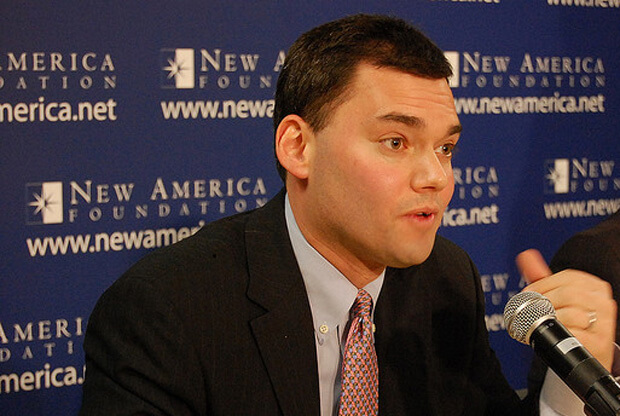
If US Jews are going to criticize Israel, Peter Beinart says, they need to “root” themselves so deeply in Jewish identity that the Jewish community can’t excommunicate them for taking those political stands. That means knowing the Torah and Jewish history.
When we started our mid-year fundraising campaign a few weeks ago, we asked you, our readers, to guide us on whether to keep growing, and how fast. Your response has been a resounding endorsement—more gifts, in a shorter period, than we anticipated. And readers have sent not just financial support but inspiration. In our last message in the current campaign, and we hope that any of you who have put off giving will take action now. We can’t offer not to ask for donations again in the future, because they are the lifeblood that keeps the site functioning. But we can say that every gift, large or small, is truly appreciated and makes a difference in our ability to deliver more information to more people.
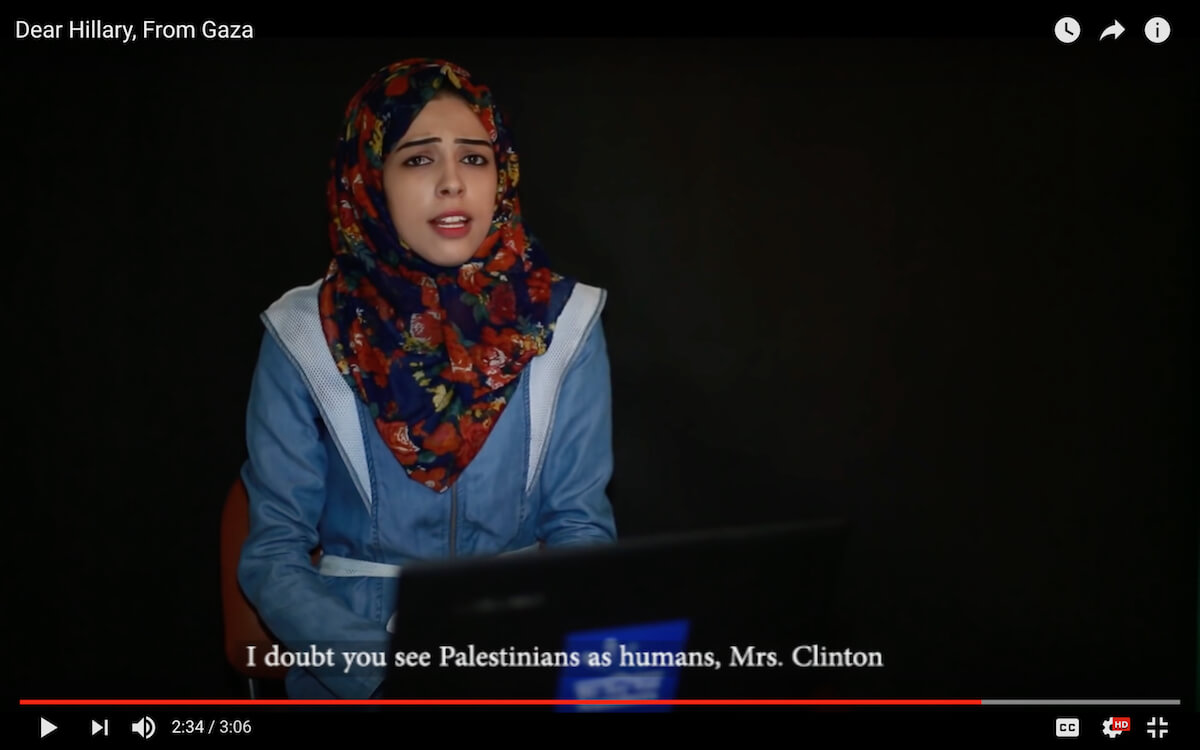
U.S. elections have an outsized effect on the residents of many countries, but among the most impacted are those imprisoned in the occupied Palestinian territories. In this video, 21-year-old Besan Aljadili, a writer for We Are Not Numbers in Gaza, responds to the nomination of Hillary Clinton for U.S. president.
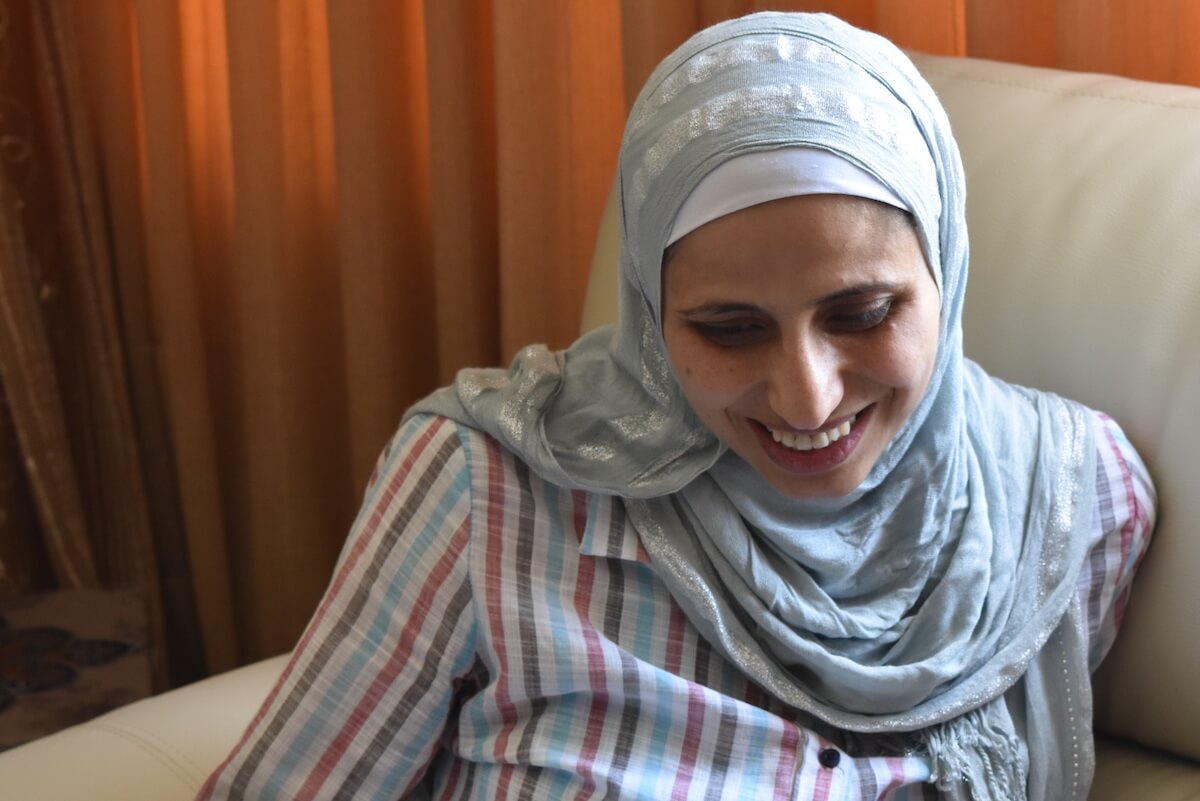
In the late afternoon of July 26, 2016, Dareen Tatour briefly found herself a free woman. For a fleeting, puzzling hour and a half, the young Palestinian poet who is being aggressively prosecuted by the State of Israel for “incitement to violence” found herself standing alone by the side of the road outside Damon prison when she should have been getting transported home to continue her court mandated house arrest. The state’s apparent lack of concern about Tatour’s actual whereabouts demonstrates one of two things: either the Israeli security services are inept, or they have already caught a whiff of the obvious—that the mild-mannered poet poses no security threat whatsoever—and that this trial is entirely a political stunt.
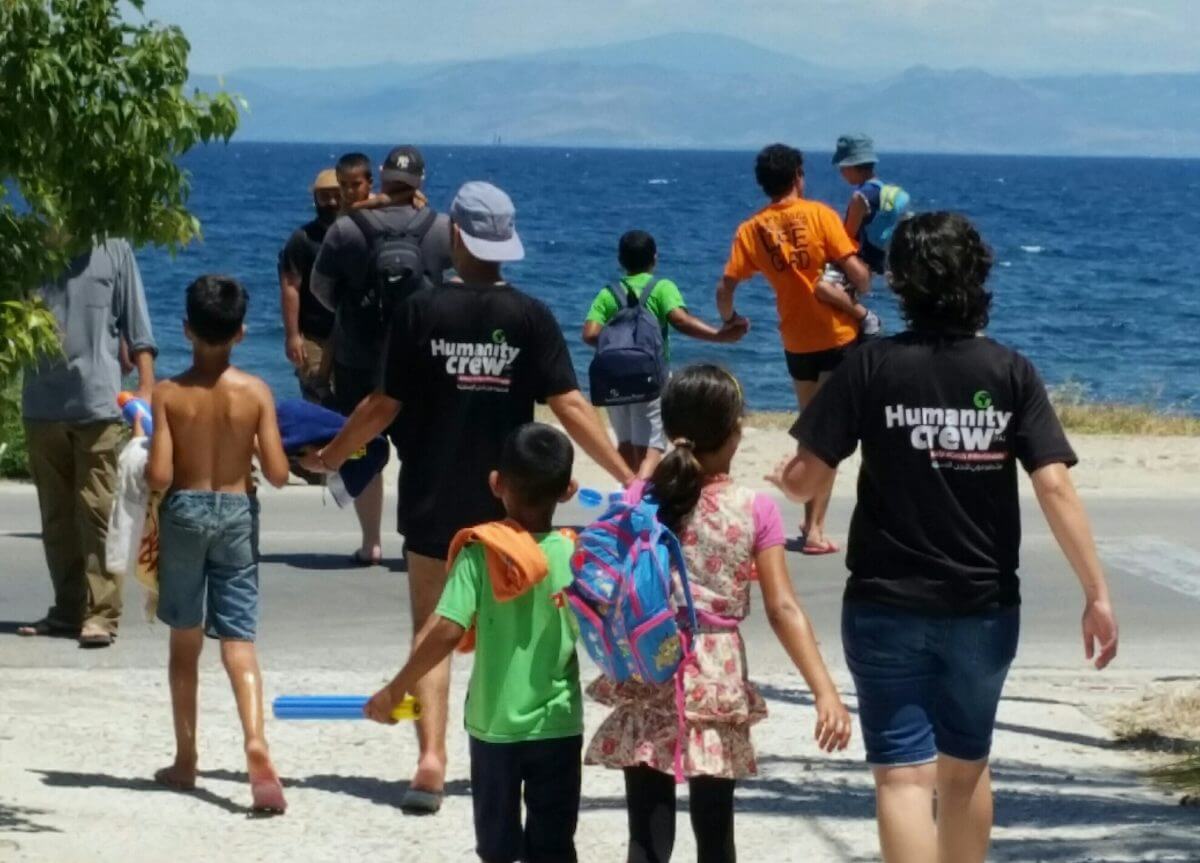
Millions of refugees are fleeing war and risking their lives on unequipped boats to reach European shores. In response, volunteers from all of the world are offering their aid and support to the biggest global displacement crisis since the Second World War, and Palestinians are no exception. Michaela Whitton talks with members of Humanity Crew, a Palestinian-led humanitarian organization at the forefront of the crisis.
In contrast to a 2012 party platform that emphasized diplomacy with Iran, the new Democratic Party platform threatens military action and sanctions against Iran, and channels Netanyahu in saying Iran denies the Holocaust, supports Hamas, vows to eliminate Israel, and “has its fingerprints on almost every conflict in the Middle East.”