Archive

December 2018

Browsing

On Wednesday, November 28th, CNN commentator, Marc Lamont Hill, gave a speech at the United Nations in which he reaffirmed his support for the boycott, divestment, and sanctions against the state of Israel, and a one state solution that established a secular, democratic state in Israel-Palestine. CNN fired Marc Lamont Hill within 24 hours of that speech. Hill falls in a line of over 50 years of corporate media silencing Black people who stood in solidarity with Palestine, such as Malcolm X, Nelson Mandela, SNCC, and the Movement for Black Lives.

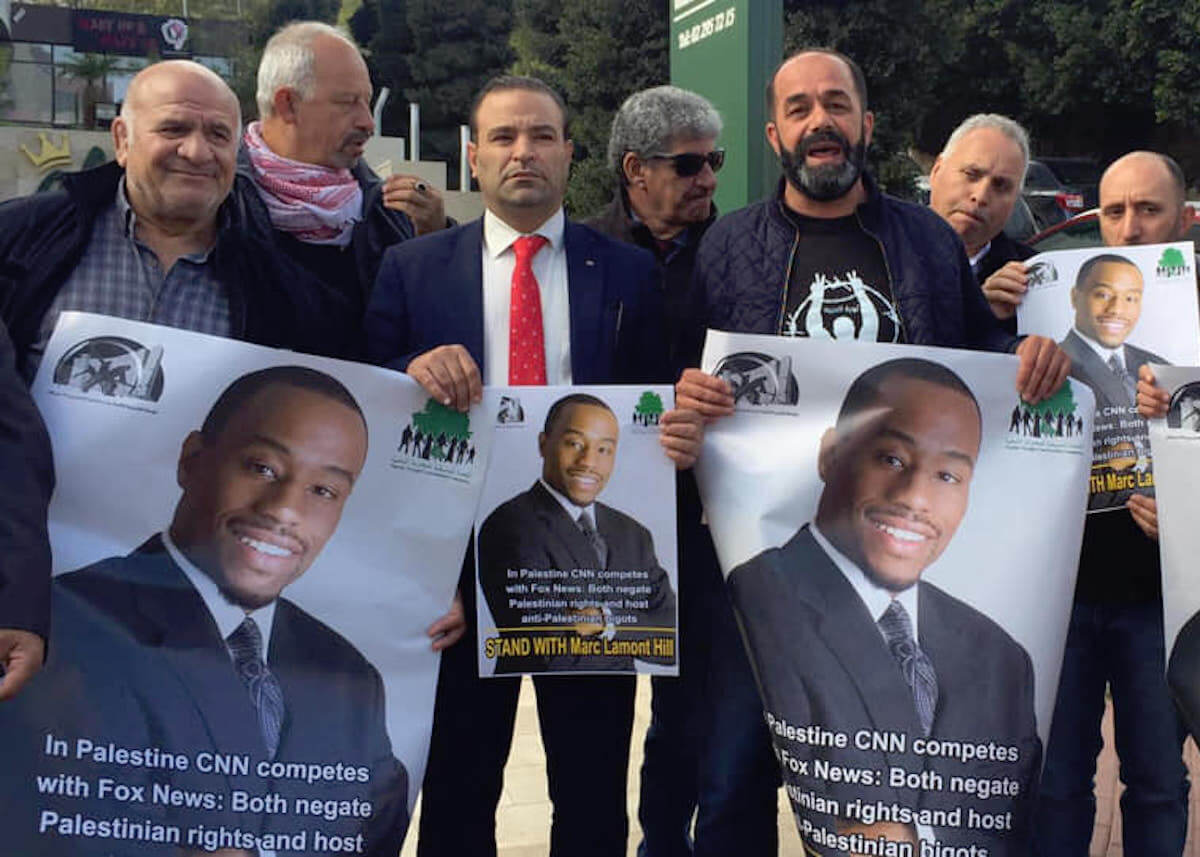
Over the past week, activists in the West Bank have staged multiple protests in support of Dr. Marc Lamont Hill after he was fired from CNN for a speech he gave at the United Nations in which he criticized the Israeli occupation and the abuse of Palestinian rights. Mondoweiss spoke to Munther Amira, Coordinator of the Popular Struggle Coordination Committee, about his support for Dr. Hill and why he believes it is important for Palestinians to stand in solidarity with the activist.

A coalition of Jewish organizations’s lead by the American Jewish World Service and the Jewish Council for Public Affairs, invited “concerned Jews across the U.S. to unite in solidarity against the ethnic cleansing of the Rohingya people of Burma” by dedicating the 6th candle on the 6th night of Chanukah to the Rohingya people. Howard Horowitz asks when will these organizations also call on American Jews to honor Palestinians in a similar way. 

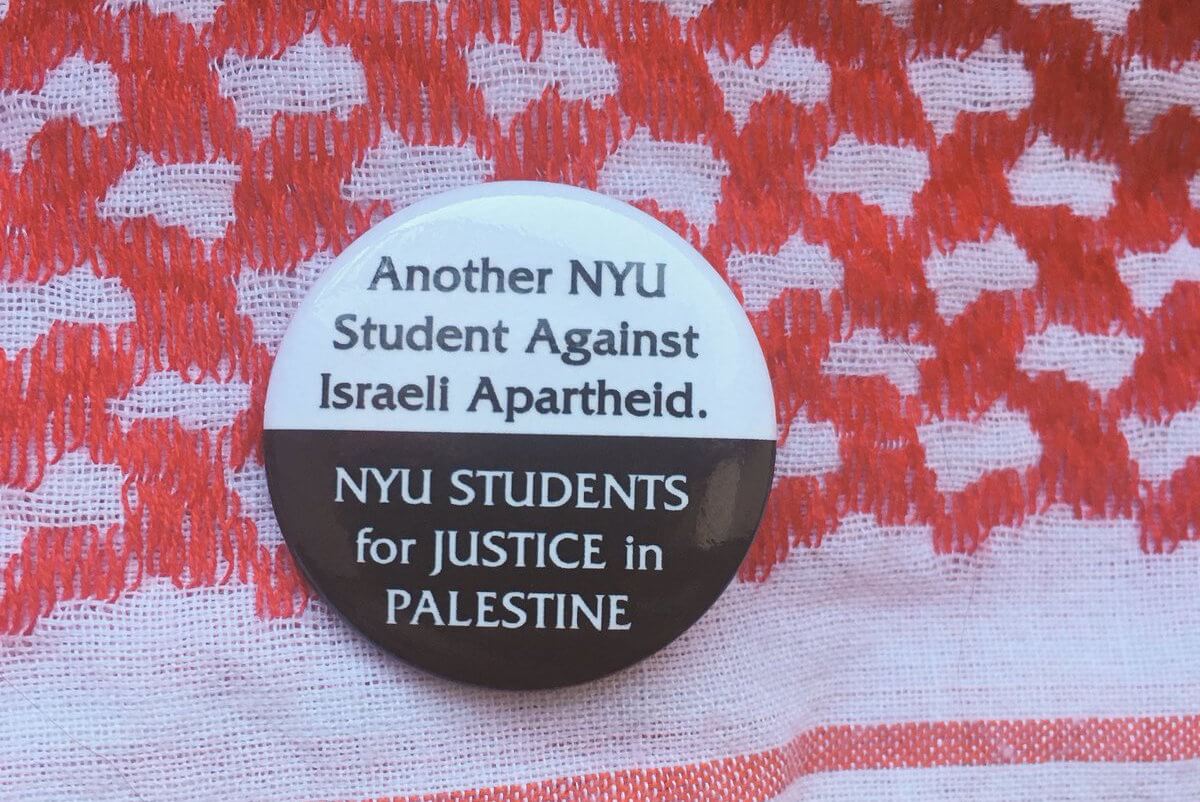
The New York University Student Government Assembly passed a resolution calling for the university to divest from corporations that violate Palestinian human rights and for NYU to adopt a socially responsible investment policy that upholds human rights for all. “I co-authored this resolution because I have a role and stake in the Palestinian struggle for liberation and justice,” Bayan Abubakr, a Senator-at-Large and Students for Justice in Palestine NYU member explained. “I want NYU to reckon with the fact that it profits off of the destruction of Palestinian livelihoods, communities, and homes.”

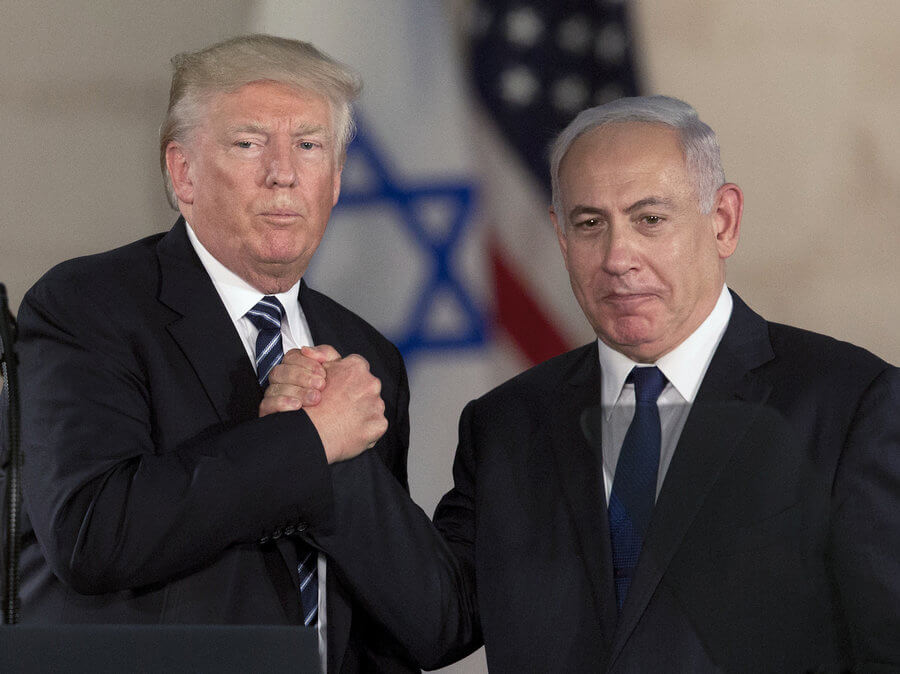
Trump and Netanyahu

One year ago, US President Donald Trump announced that he was officially recognizing Jerusalem as the capital of Israel, breaking with decades of US and international foreign policy in the region. The announcement sparked widespread protests across the occupied Palestinian territory and Gaza, some of which are still continuing today. The political implications of Trump’s decision were clear: the US was virtually erasing any Palestinian claims to the city, specifically occupied East Jerusalem, which Palestinians maintain must be the capital of their future state. And over the course of the next year, Trump and his administration would announce and enact a series of measures against the Palestinians in an effort to wear them down until they were forced to come to Trump and Netanyahu’s negotiating table and take whatever they could get.