
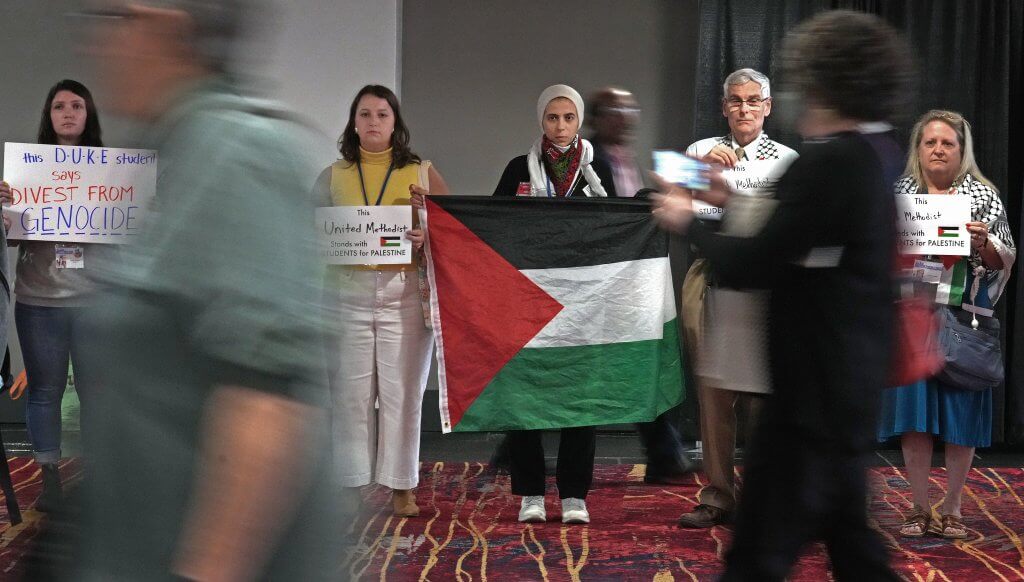
The United Methodist Church (UMC) has announced that it will divest from the bonds of governments that are maintaining illegal military occupations.
Wespath, the church’s retirement-benefits agency, is now excluding investments in the bonds of Israel, Morocco and Turkey.
“With our framework, we took a step back,” said Wespath executive Andy Hendren told United Methodist News. “We wanted to do a more principled, holistic look at all sovereign debt, so it not only looks at military occupations like those identified in the resolution — those three. But there are other military occupations in the world that government should be held accountable for.”
“As United Methodists, our witness must align with our values,” Bishop Tracy S. Malone, Council of Bishops president, added. “It reflects our prophetic calling, while centering the Gospel’s demand that we love our neighbor and seek peace rooted in equity.”
Wespath’s move follows a April 2024 divestment resolution that was endorsed by members at the church’s General Conference.
The legislation was organized and presented by United Methodists for Kairos Response (UMKR). Since 2010, UMKR has called on the church to maintain its commitment to human rights within its investment strategy.
“The timing of this decision is especially significant. When we see the ongoing genocide happening in Gaza, we do not want to be supporting the Israeli government with unrestricted governmental funds,” said UMKR chair Lisa Bender at the time.
After the 2024 vote, UMKR launched a church-wide petition urging Wespath to honor the resolution.
“The resolution makes clear the church’s intention to avoid profiting from the suffering and oppression caused by these decades-long occupations: Israel’s occupation of the West Bank including East Jerusalem and the Gaza Strip since 1967, Turkey’s occupation of Northern Cyprus since 1974, and Morocco’s occupation of Western Sahara since 1976,” read the petition.
“The United Nations has identified flagrant human rights violations in all of these occupations, including: land confiscation, theft of natural resources, home demolitions and illegal colonization, deprivation of food and water, violence against civilians, mass incarceration for population control, and brutality against children,” it continued.
After a “deep and prayerful consideration” of the call, Wespath not only cut financial ties with Israel, Morocco, and Turkey, but expanded the human rights call to include governments with a history of authoritarianism and corruption.
Wespath believes this human rights exclusion framework reflects Wespath’s commitment to thoughtful stewardship, data-driven analysis and principled decision-making,” said the group in a statement.
This isn’t the first time that the UMC has modified its investments over Israel’s human rights record.
In 2016, the church’s pension board put 5 Israeli banks on a blacklist over their connections to illegal settlements. In 2014, the board sold its stock in G4S, a UK-based security company that provides equipment to Israeli settlements and checkpoints.
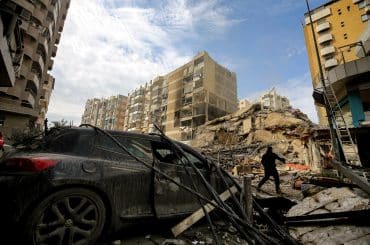
Wespath’s announcement comes amid the ongoing genocide in Gaza, increasing settler violence, continuing displacement, and consistent calls for the international community to address the Israeli-imposed starvation crisis. In recent weeks, multiple U.S. lawmakers have indicated that they would support blocking weapon shipments to Israel.
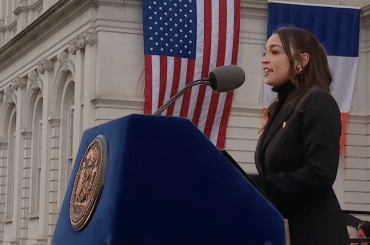
Although the Methodists may stop buying Israel Bonds they cannot “divest” or liquidate their current holdings. There is no secondary market for Israel Bonds, they are not registered with the SEC and they are totally illiquid. The Methodist’s investment arm should have considered this aspect of the paper before buying.
Divesting in this case means putting them on a No Buy list – as with many “divestment” actions in the BDS movement. The investors would know the terms of owning the bonds when purchasing them. But activism in this church has worked and an excellent decision was made to exclude these bonds from church investments in the future. That is great news! The public announcement of the decision has an impact and that is the BDS success for Palestinian rights.
What does this mean now? , that the holy spirit is alive? What about the other denominations?