The story of Raad Khazem’s recent attack killing three Israelis in Tel Aviv is the story of Palestinians living under occupation.

The story of Raad Khazem’s recent attack killing three Israelis in Tel Aviv is the story of Palestinians living under occupation.
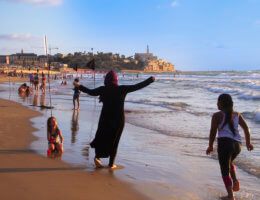
Dareen Tatour talks to Palestinians living in the West Bank who had a once in a lifetime opportunity — to visit the sea in Jaffa.
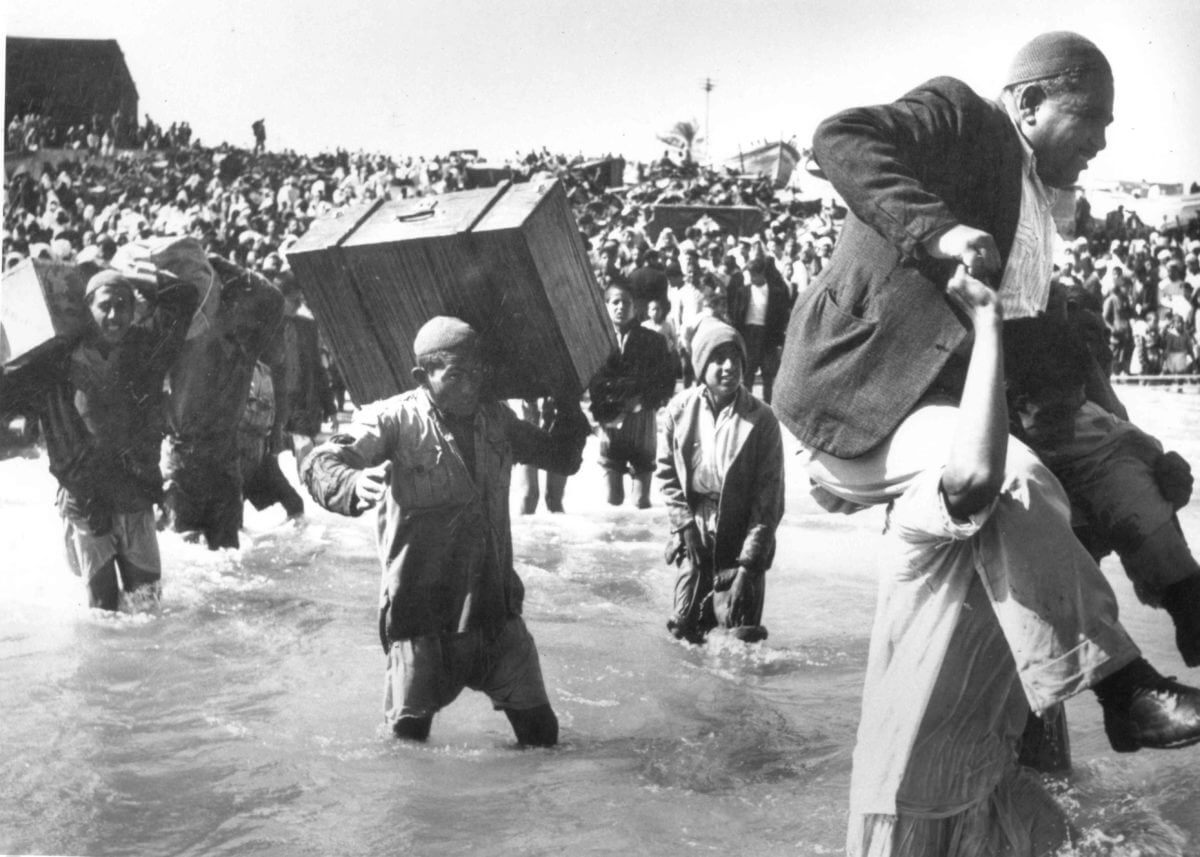
Dareen Tatour writes, “The anniversary of the Nakba comes every May. But we, the Palestinians of 1948, live in memory of the Nakba in different circumstances than all other Palestinians. Here from within Israel, we can hear the sirens declare the beginning of the celebration observed by those who occupied us while we are still deeply rooted inside of our homeland We suffer because we feel alienated in our own country, we shout and scream and no one hears us.”
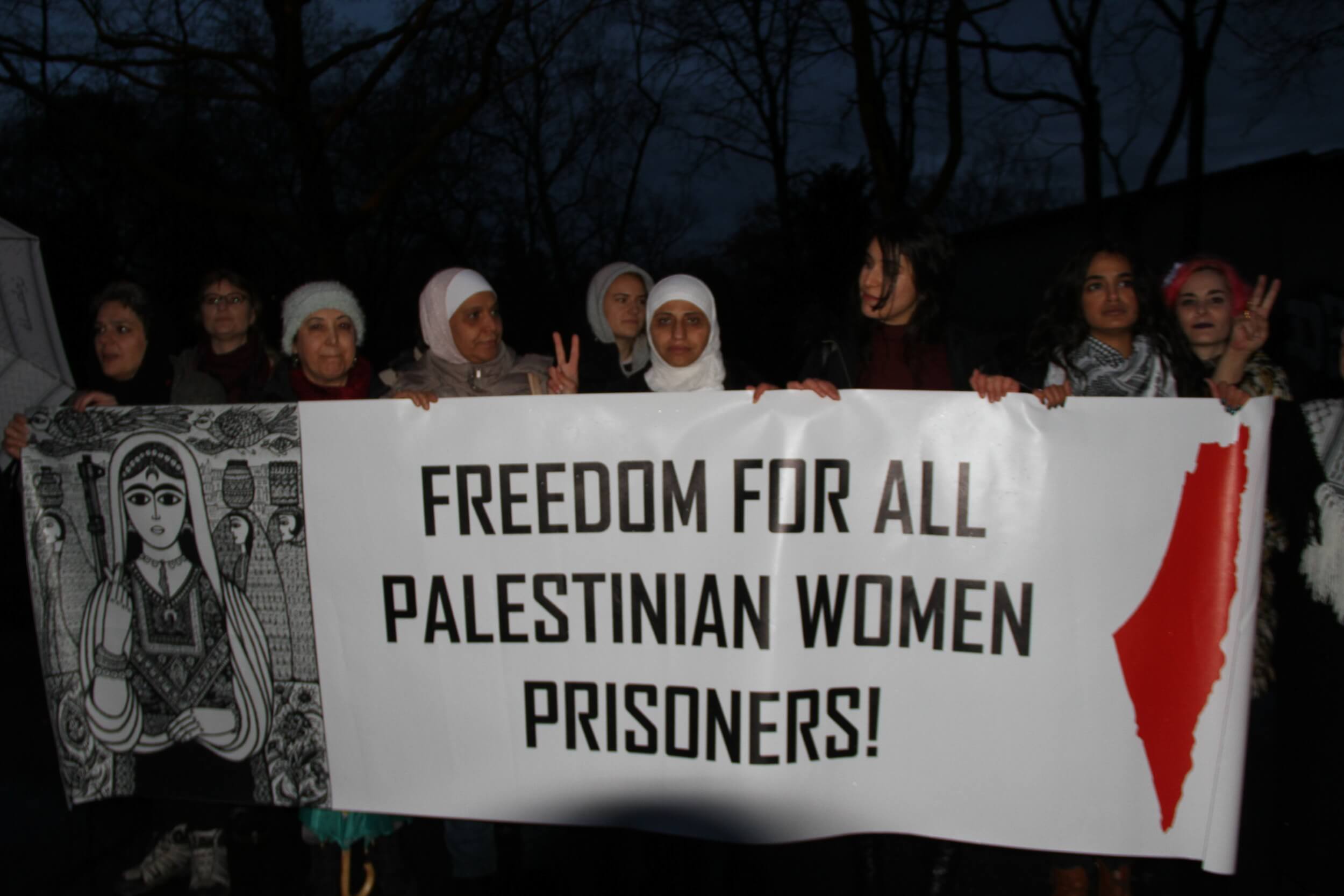
Rasmea Odeh dramatically had her visa revoked in Germany after pressure from the Israeli government grew to cancel her participation in a Berlin event on International Women’s Day. Her would be co-panelist, Palestinian poet Dareen Tatour explains how the events unfolded,”I was also supposed to read some of my poems. When I arrived at the event hall, I was surprised by something else. The venue was vandalized with graffiti.”
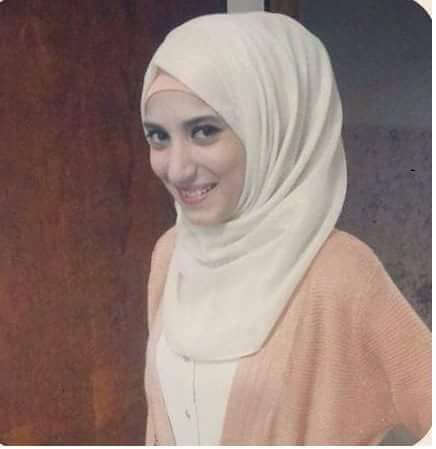
Dareen Tatour writes about her cellmate in prison, Shorouk Duyat, 21, who is held these days at Damon prison in Israel. “Shorouk Duyat is a story that I will keep telling,” Tatour writes. “I will always remember her.”
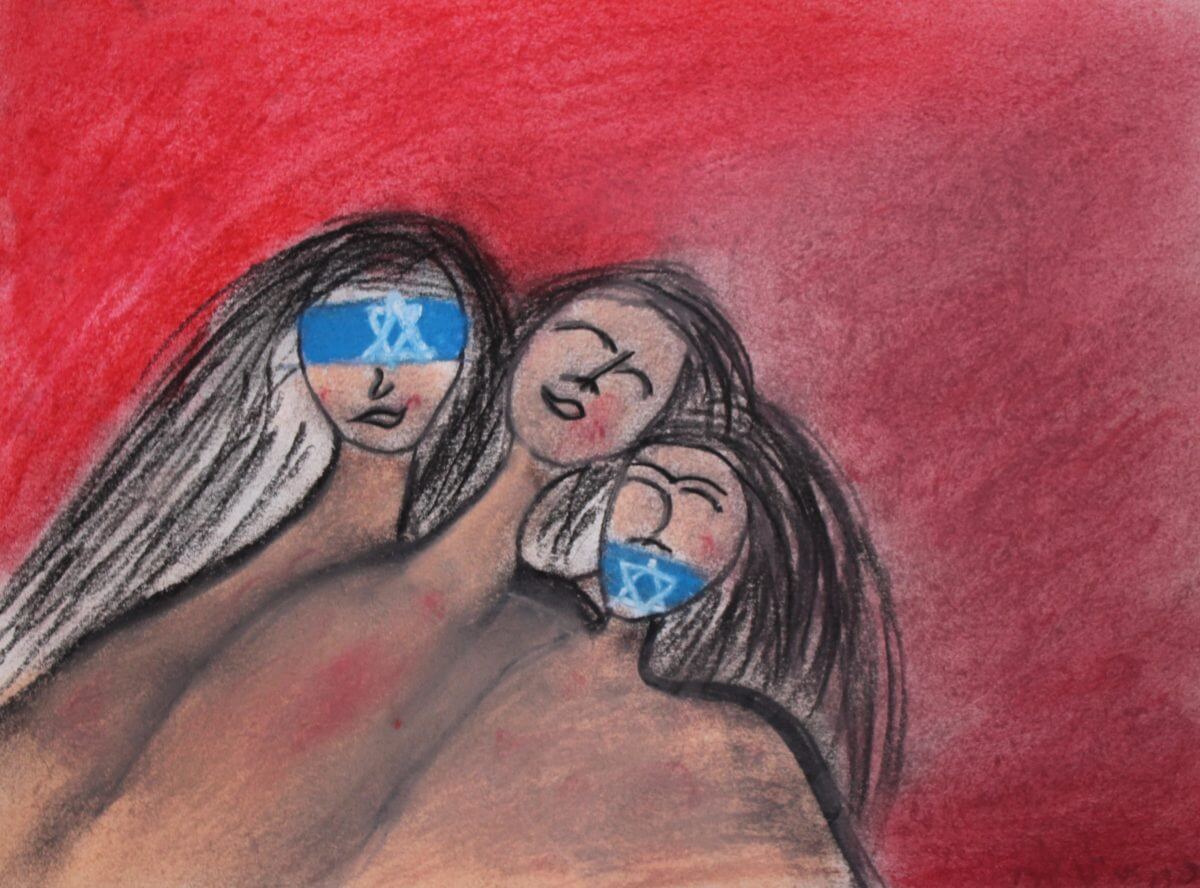
Palestinian poet Dareen Tatour shares drawings she made while in an Israeli prison after she was convicted for sharing a poem she wrote on social media, “I do not rule out that I could find myself in detention once again. This time perhaps for a drawing or a picture depicting the occupation, expressing resistance or my Palestinian identity and my home country.”

To those who lead Mondoweiss—and you who support the work—freedom is not merely a call or a word said, but a reality. Every day I feel that in working with Mondoweiss, I hold an immense responsibility to contribute to the continuation of this site. Please join me in supporting Mondoweiss — an institution that supports Palestinian writers like me both morally and practically.
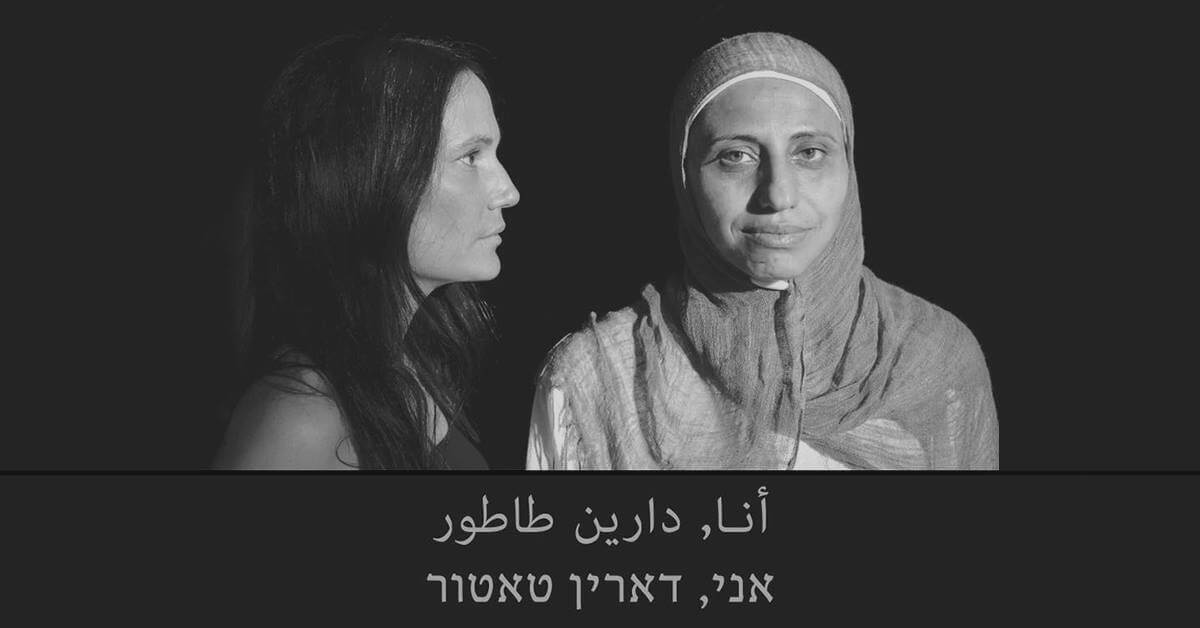
Palestinian poet Dareen Tatour and Israeli playwright Einat Weizman discuss a proposed new bill that will censor artwork deemed disloyal to Israel, “The chance Einat and I will both face legal pursuit increased.”

Palestinian poet Dareen Tatour writes, “After three years of prison, detention and political prosecution to which I have been subjected, here I am sitting in my room, freely caress my cats, touch life again and discover everything about it all over again as if I am living in a beautiful dream after a long nightmare . . . I entered prison for one poem but I was released with 101 poems.”
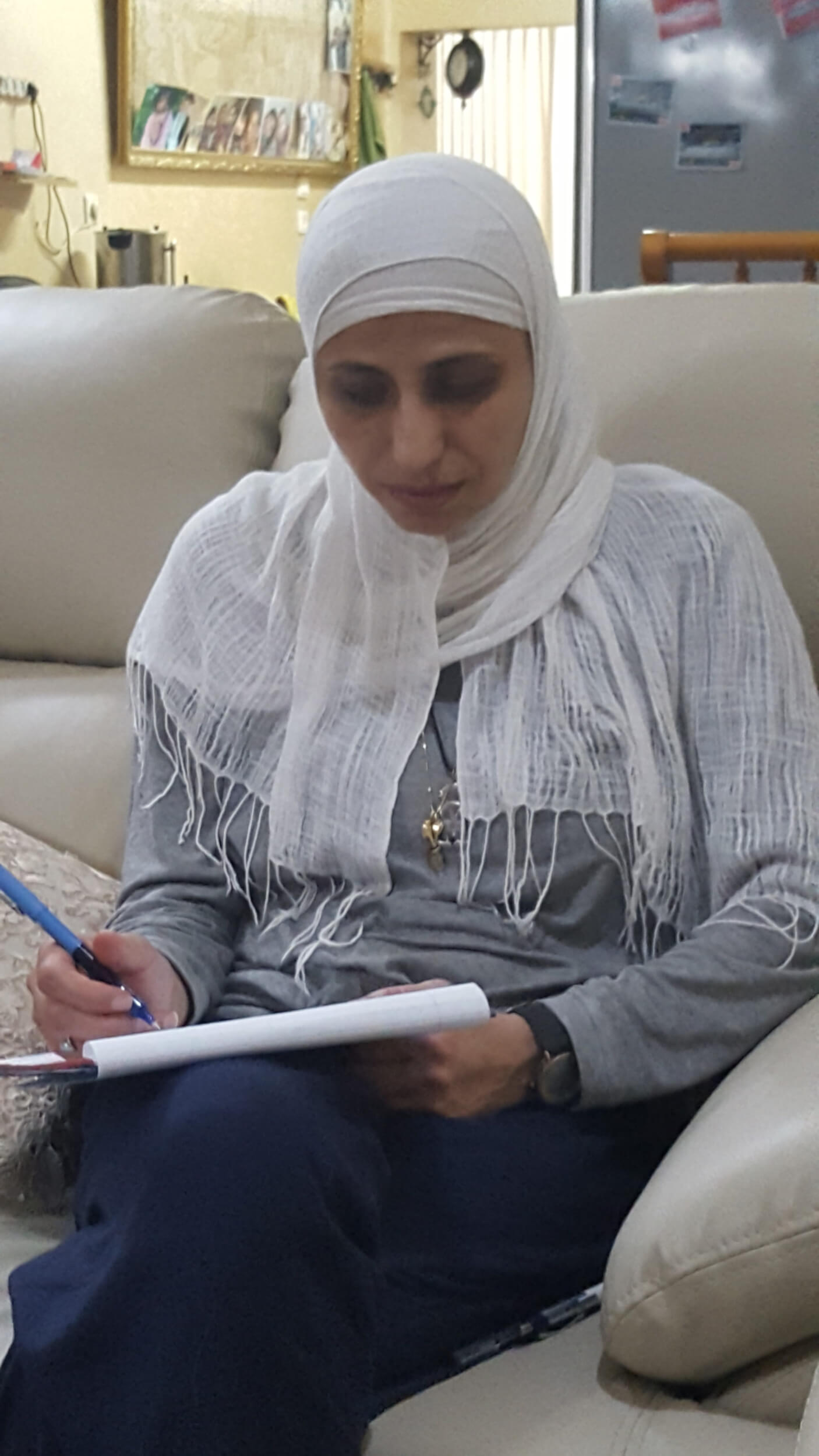
Palestinian poet Dareen Tatour was released from an Israeli prison nearly six weeks ago, yet can’t keep prison and the prisoners off her mind. One woman in HaSharon prison, Yasmin, told Dareen of women with “severe yellowness and paleness of the face, obvious darkness under the eyes, heavy hair loss; some prisoners had rash on their hands as a result of humidity and lack of sunlight.”