Palestinian political prisoners held in Israeli jails won a small but significant victory April 15 when the Israeli Prison Service agreed to several key demands voiced by 400 prisoners who had been on an open-ended hunger strike. The hunger strikers’ apparent victory came just two days before Palestinian Prisoners’ Day, an observation held annually on April 17 to draw attention to the plight of the thousands of political prisoners held—many for very long terms and many without any fixed term at all—in Israel’s broad network of military prisons.
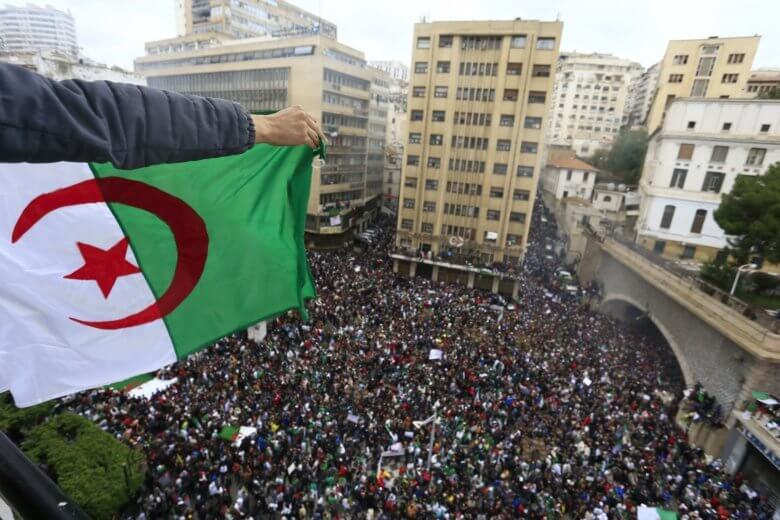
Every Friday since February 22, the cities and towns of Algeria have seen massive demonstrations that have brought women, men, children, and old people pouring into the streets, often in high spirits but always voicing pointed political demands. Helena Cobban talks to William B. Quandt about what has been going on in this large North African country of 42 million people—and what resonance might the events there have for the rest of the Middle East.
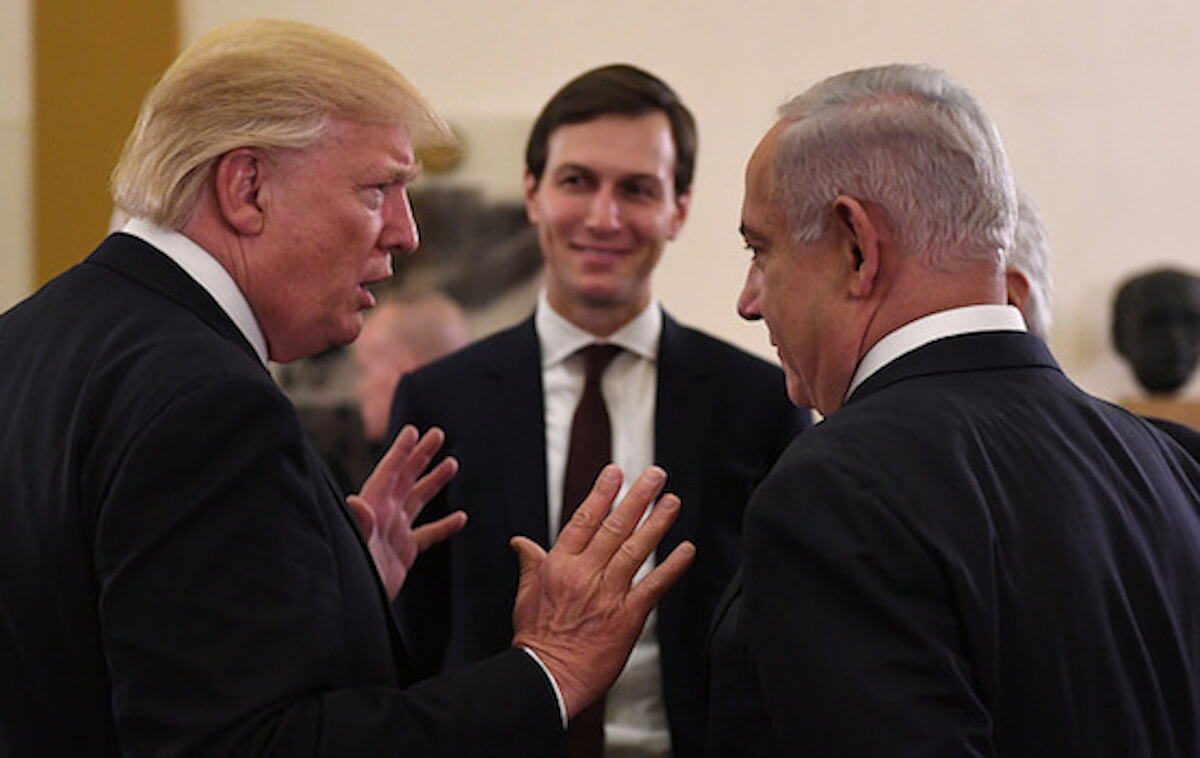
Last summer, Trump’s moving the U.S. embassy to Jerusalem opened the floodgates for a new era of Israeli provocations on the city’s Palestinians. Helena Cobban outlines the decades-long Zionist assault on the Palestinian presence and institutions in the holy city, and says that this new period will likely see greater government support for projects to extend the extremist settlers’ matrix of control over all parts of the Old City.
On March 25, Donald Trump signed an order proclaiming U.S. support for Israel’s annexation of the Golan. This act ended Washington’s opposition to any acquisition of territory by force– a principle that has been a key pillar of the global order since the United Nations was founded in 1945. Washington’s new policy on Golan may well now allow the US company Genie Energy to go ahead and plunder the oil and gas reserves that its Israeli subsidiary discovered in Golan in 2015, and Trump’s step changes the political dynamic within Syria, too.
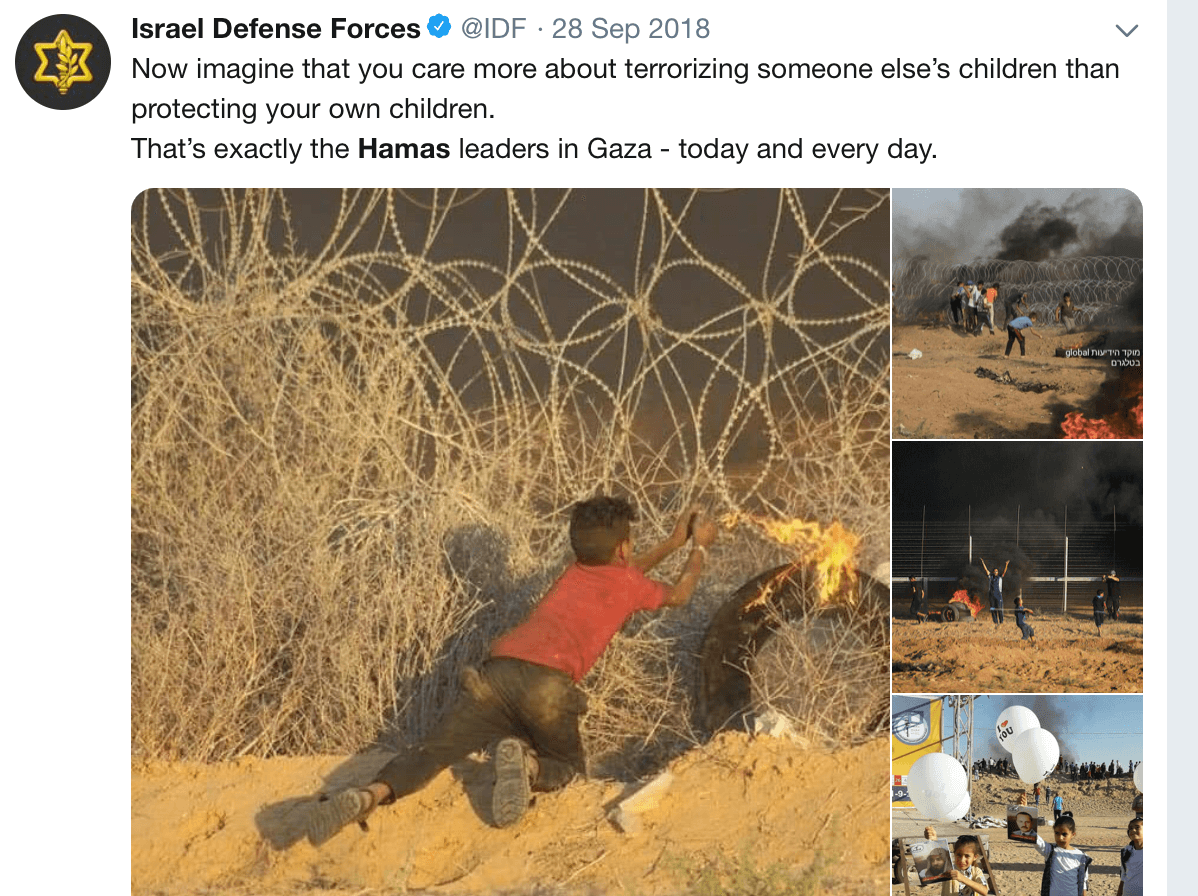
Helena Cobban debunks what she calls Israel’s “But Khamas!” ploy, the maneuver Israelis and their propagandists use to try to shut down any discussion of the actual plight of Gaza’s two million people and Israel’s own responsibility for causing it.
The Gaza protests will mark their one-year anniversary in 2 weeks, with real political potential for the Palestinian struggle. Gaza has always been a crucible for political movements in part because its population has such a high percentage of refugees of the Nakba in 1948. Helena Cobban traces the history.
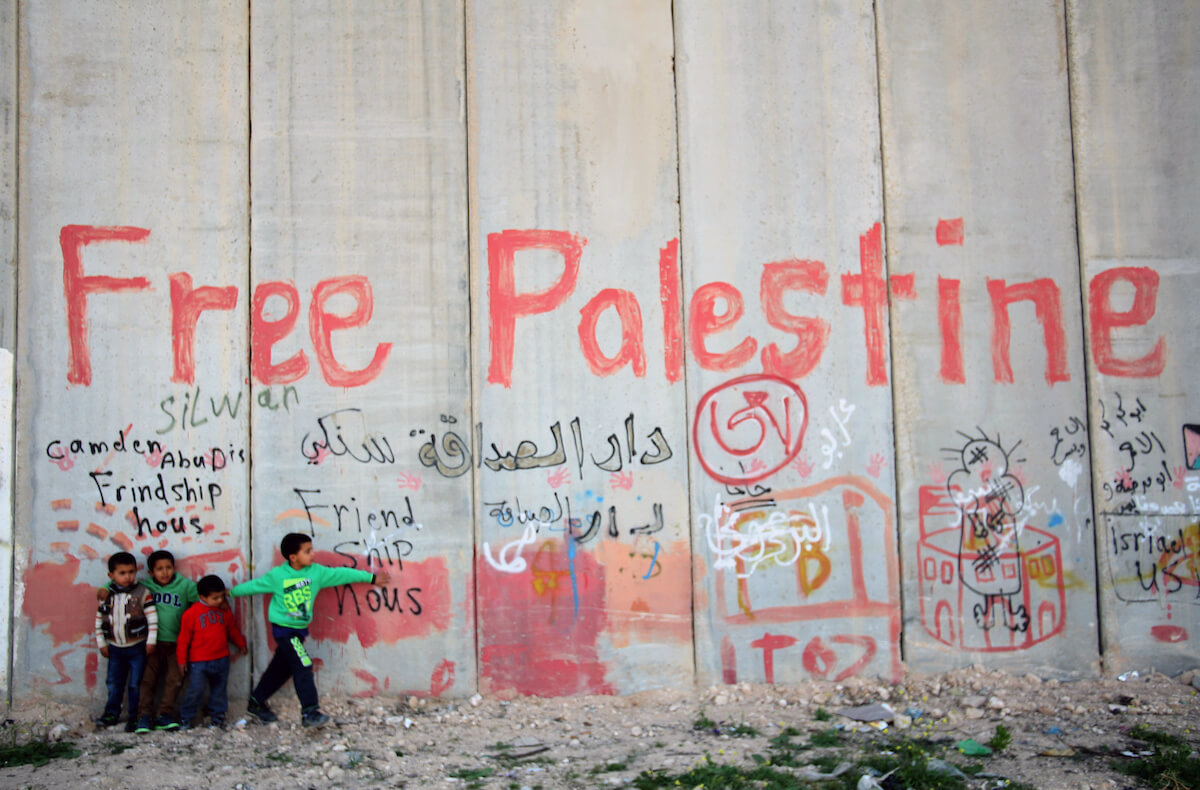
In the U.S. political mainstream, expressing support for the “two-state solution” in historic Palestine has been routine for many years. But anyone who looks at the map of the settlements Israel has implanted into the occupied West Bank (including East Jerusalem) has to conclude that withdrawing enough of them to provide territory for a viable Palestinian state is now politically impossible.
Americans who want to push for a just and sustainable peace between Israel and Palestine need to break free of the mindset that it’s somehow “desirable” or even “normal” for the U.S. monopoly over the peace process to continue.
In 1982 Jane Fonda could support Israeli troops invading Beirut because Israel still had some luster of its socialist beginnings. Now the ideological winds have fully shifted, Helena Cobban writes, and Israel’s supporters don’t use moral arguments to justify American backing, but “strategic” role in countering America’s supposed enemies.
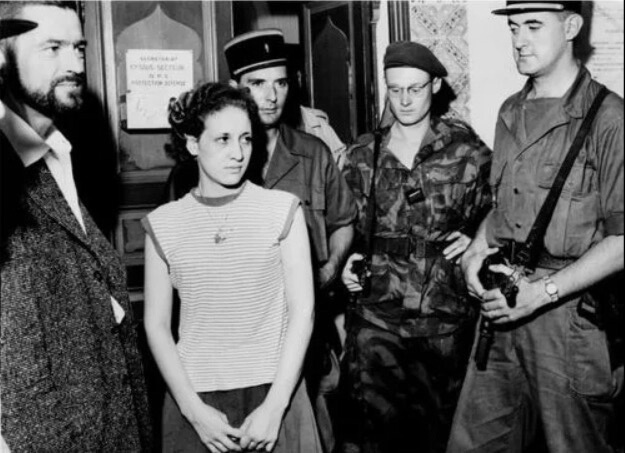
Former Algerian female fighter Zohra Drif writes in her new memoir, “Perhaps the reader of today expects me to regret having placed bombs in public places frequented by European civilians. I do not. To do so would be to obscure the central problem of settler colonialism by trying to pass off the European civilians of the day for (at best) mere tourists visiting Algeria or (at worst) the ‘natural’ inheritors of our land in place of its legitimate children.”