Kamal Kafarna could not be happier. He is harvesting his wheat with his own hands from his land that he was prevented from accessing for fifteen years because it is located just a hundred meters away from the boundary line between Israel and the Gaza Strip. “I am very delighted that I have been given one day to harvest my yields. This piece of land is mine, but I was not able to tend it for long years because it is feared that I might be shot by the Israeli soldiers who monitor the boundary areas with Gaza,” he tells Isra Saleh El-Namy.
Mahmoud Matter says that participating in demonstrations held by the workers’ syndicate in Gaza is his only hope to receive his wages. He has been employed by the Ministry of Health since 2010, but has not yet received a full wage. “I go early to my work every day, and do my best to efficiently do my duty and serve my people. But instead of being honored by receiving my salary, I am left to demonstrate and shout in order to get my right of a salary,” Matter said. “We are blackmailed in political splits, and left prone to extortion so that our leaders can achieve their narrow political interests,” he added.
Israel’s Channel 10 television station said this week that the chairman of the Palestinian Authority, Mahmoud Abbas, has rejected a proposal to build Gaza new electricity lines to support the power sector in the impoverished coastal enclave. The project reportedly received Israeli consent, but failed to get the green light from the PA. Hamas criticized Abbas for rejecting the long-awaited project. “Abbas is not willing to miss any occasion in which he can stave off his political foes, even if it is done at the expense of his people. This does not make difference with him at all,” Hamas spokesman Sami Abu-Zohri told Mondoweiss.
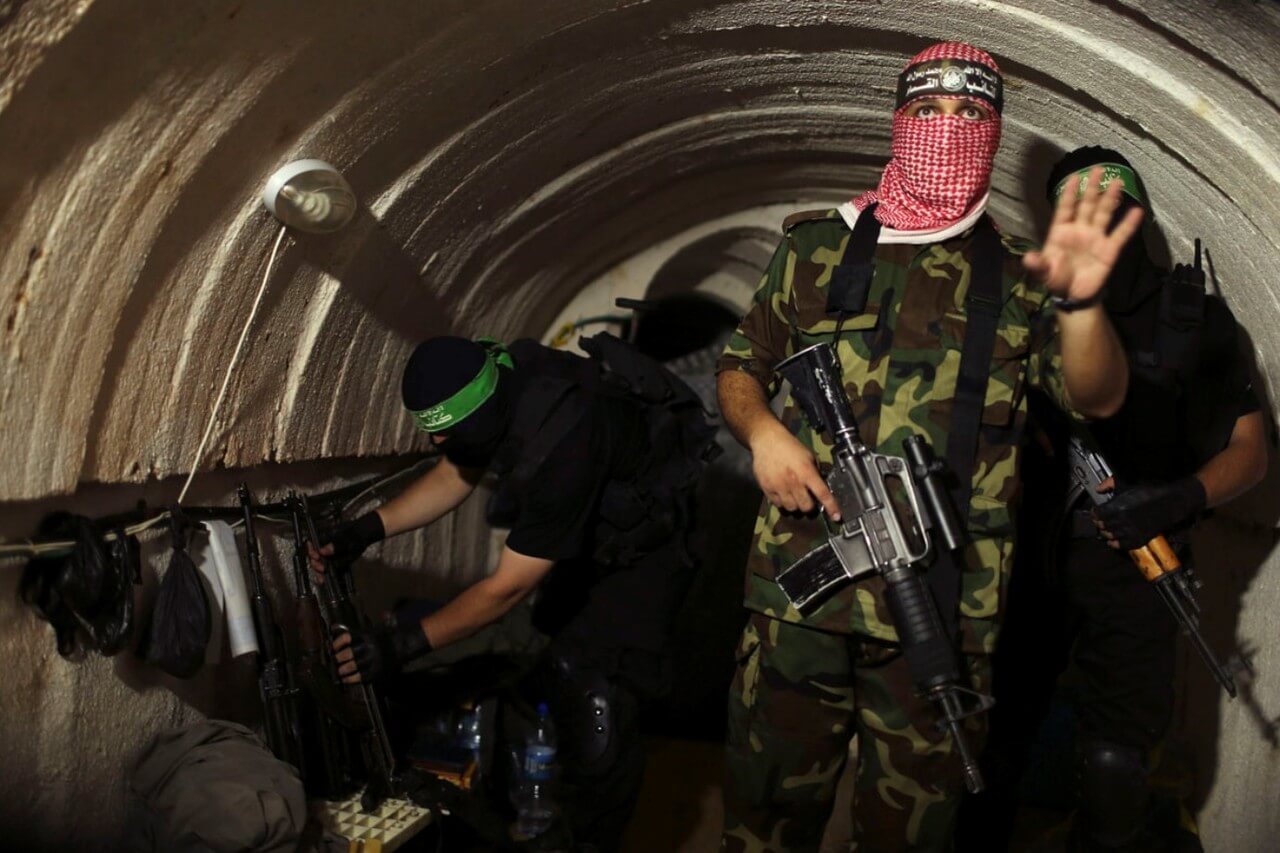
The death of seven Hamas fighters in late January when a tunnel collapsed on them brought attention once again on military tunnels in Gaza. Yehia Mousa, a Hamas official said its tunnels have tripled in number since the end of the 2014 conflict. “It is a must that we should take the time to develop our military tunnels. They are a strategic asset that we can never give up,” Mousa told Mondoweiss.
For Ahmed Jaber, the new year has brought nothing special to his cramped house which he shares with his parents and other seven siblings. 2016 has started in Gaza in abysmal darkness as the power crisis has worsened, putting nearly all facets of life into serious danger. “What does it mean to celebrate the New Year,” Ahmed asks. “The word celebration does not even exist in our terminology; it is a very luxurious expression which has no place in Gaza”.
Israeli forces opened fire at different fronts on the Gaza boundary fence today, killing two young Palestinians during today’s clashes. Ashraf al-Qidra, the spokesman of Gaza’s Ministry of Health said that Mohammed Qeita, a 26-year old protester, was shot in his abdomen by Israeli live bullets. Less than two hours later, medics confirmed that Mohammed Abu-Zayed, 19, was also killed, shot in his head and neck. According to witness testimonies, Israeli snipers picked off the two protesters without prior warning.
Since Israel began withholding funds to the Gaza Strip following the Hamas victory in the 2006 Palestinian legislative election, the payment of Gaza public sector employees has been a bone of contention between the rival Palestinian parties and a driver of internal unrest in the Gaza Strip. Despite promises from the national consensus government, more than 50,000 government workers in Gaza have not received their regular salaries since early 2013. Now, as anger is rising, Hamas is proposing a solution that is already proving controversial.
The Egyptian government has destroyed 80% of the tunnels bringing goods into Gaza which has led to an environmental and economic disaster. “They are waging a tireless war on our livelihoods. I wonder what harms them when the Palestinian citizen in Gaza is able to feed his family by what he earns in meager wages from the tunnels work?” asks 24-year-old Adham Okbi.
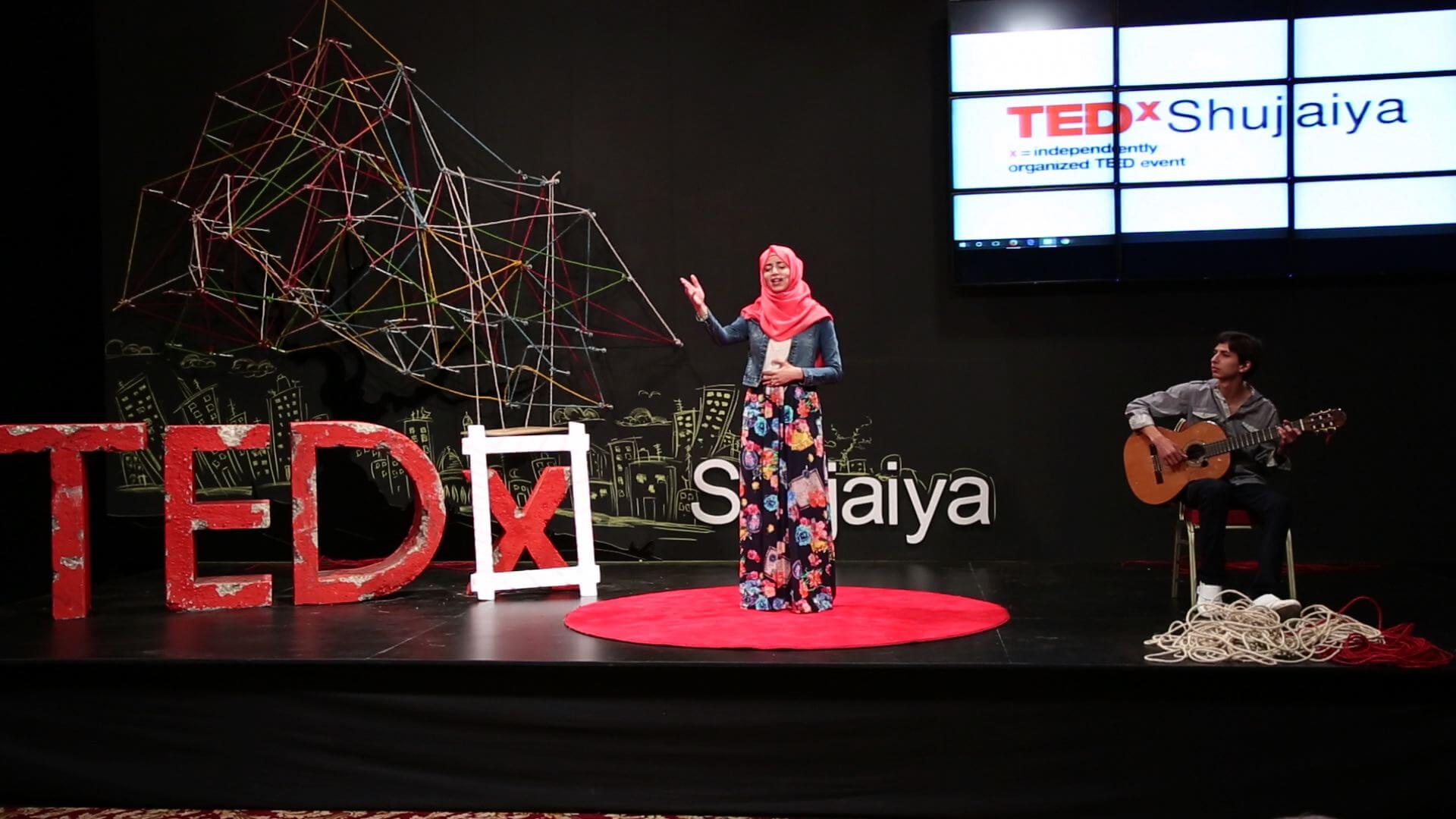
Isra Saleh El-Namy reports from TEDx Shujaiya, a recent event in Gaza organized independently as part of the popular TED conference series. Organizer Heba Madi says, “It is really a golden opportunity, and a great honor to have this prestigious and international program in a Palestinian flavor. We wanted to prove to the whole world that people in Gaza deserve to live in dignity.”
The scene in the southern Gaza city of Khan Younis was very tense Sunday as thousands of angry protesters carried the coffins of two children who were killed Saturday evening at a protest at the city’s border fence. The protesters demanded a swift Palestinian answer to the killing of the young boys.