From Tzipi Livni to Moshe Ya’alon to Yair Lapid, Israeli leaders have expressed contempt for the lives of children targeted in Israel’s wars. That makes the allegations of massacres in Syria, and the U.S. missile attack there, very useful.


From Tzipi Livni to Moshe Ya’alon to Yair Lapid, Israeli leaders have expressed contempt for the lives of children targeted in Israel’s wars. That makes the allegations of massacres in Syria, and the U.S. missile attack there, very useful.

The claim that denying Israel’s “right to exist” is tantamount to seeking the complete annihilation of its (mostly Jewish) people has long sat at the core of Israeli apologia. The Palestinian refusal to recognize a Jewish State is conveniently read as intransigence – a convenient trick from the Israeli box of magic to turn public opinion against them.
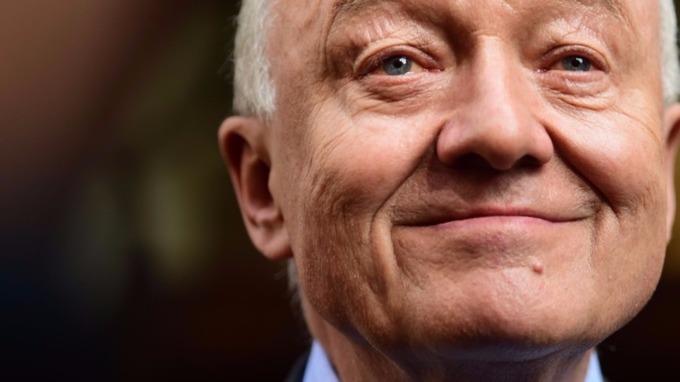
Two days ago, former London Mayor Ken Livingstone was sentenced to another year of suspension after a hearing by the Labour Party’s national constitutional committee (NCC) concerning his remarks on Hitler’s temporary support for Zionism. This never happened to Benjamin Netanyahu when he manipulated the history of the Holocaust. Discrediting Livingstone is necessary to preserve Zionism’s rosy image.

Haley’s quarter-of-an-hour talk at the convention was a rather unbelievably bellicose, chauvinist, bigoted and racist run. She said her high heels were made for kicking, and bragged about booting the most moderate Palestinian leader of all, Salam Fayyad, from a UN position.
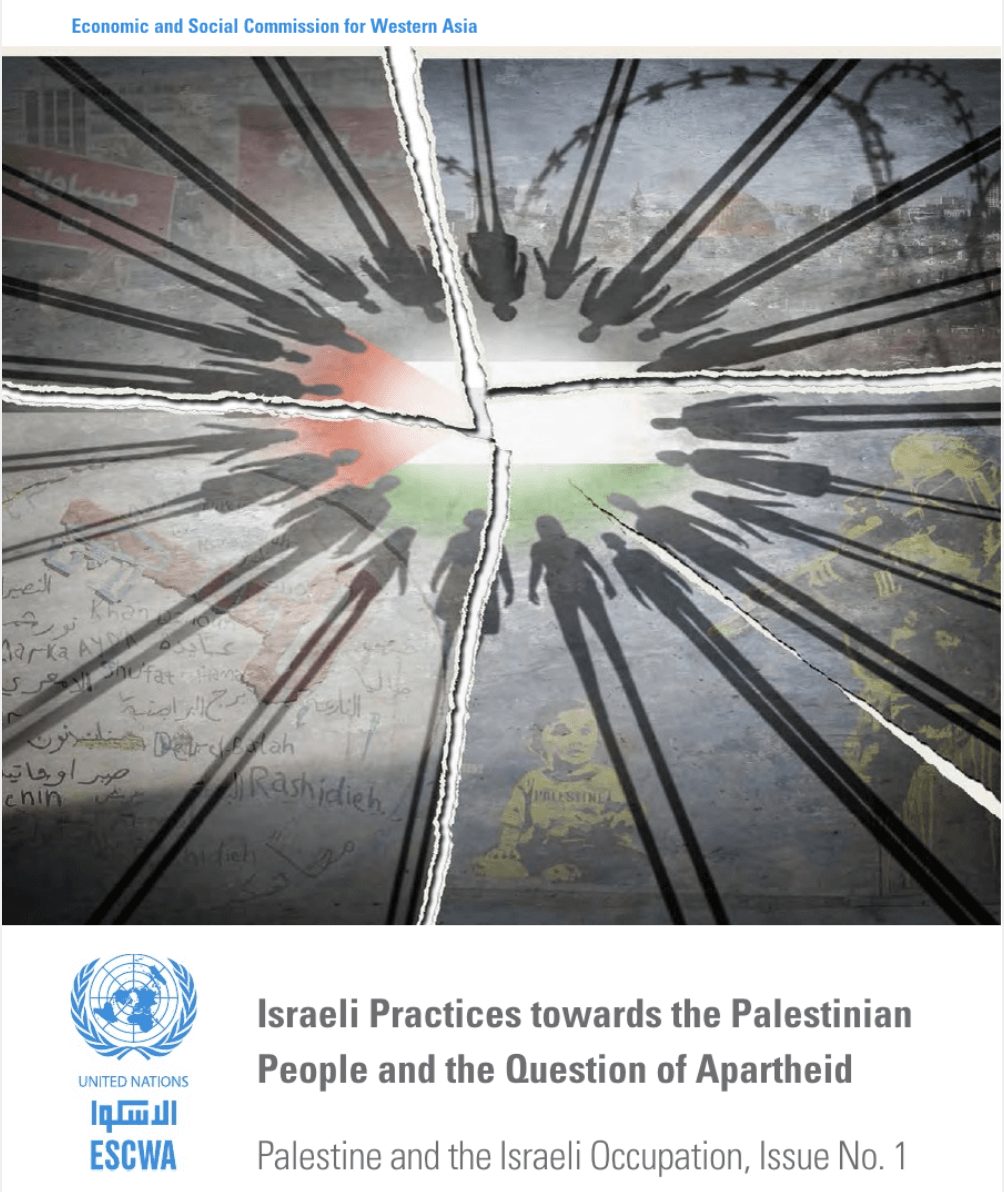
The UN-commissioned report on Israeli Apartheid that was shelved last week (two days after it appeared) is no doubt explosive. The very idea that Israel is guilty of the crime of Apartheid is one that should give everyone pause. But there is another explosion in the report. Israel and its supporters have desperately sought to shelve a discussion about Zionism as a racist ideology. The Apartheid report brings it back to the forefront.

Israel has both effected and veiled a comprehensive policy of apartheid directed at the whole Palestinian people in Israel, in occupation, and in exile, the stunning UN report says — and it was promptly veiled.

Adding to his already rabidly racist remarks, Iowa Congressman Steve King uses a comparison to Israel to make his demographic obsession seem more acceptable.
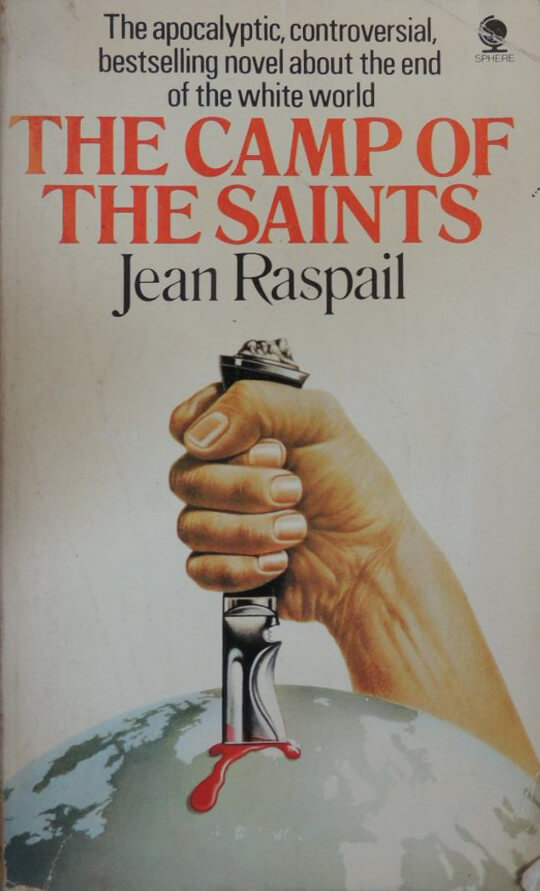
The new white-supremacists have found a model that happened to be created by a certain stream of Jews – the ‘strong Jews’ of Zionism. And the advantage that this alliance creates is far more substantial in realpolitik terms for those power-seeking white-supremacists, than the redundant old anti-Semitism.

A new Israeli law bars entry to those involved in boycotting Israel and criminalizes even those who have supported a ‘partial’ boycott targeting settlements. Activists and organizations, even the liberal Zionist ones who have supported boycott of settlements, now have to ask themselves: If Israel does not differentiate between itself and its occupied territories, if Israel bars entry to any foreigner who boycotts (even if they are Zionist), why should the boycotters make the differentiation between Israel and its settlements?

British pro-Israel blogger David Collier purports to discover that 42 percent of Palestinian solidarity campaigners are anti-Semitic. Jonathan Ofir exposes his methods as laughable and ideological.