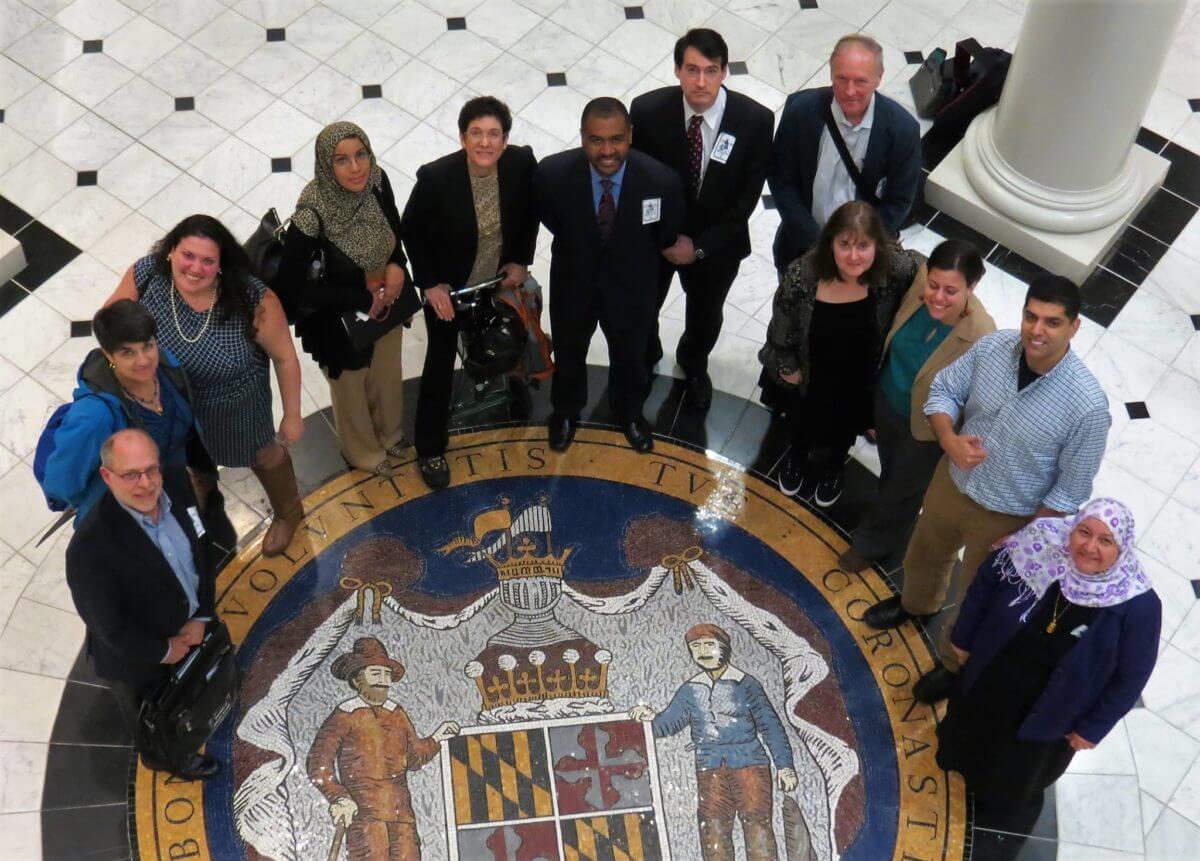
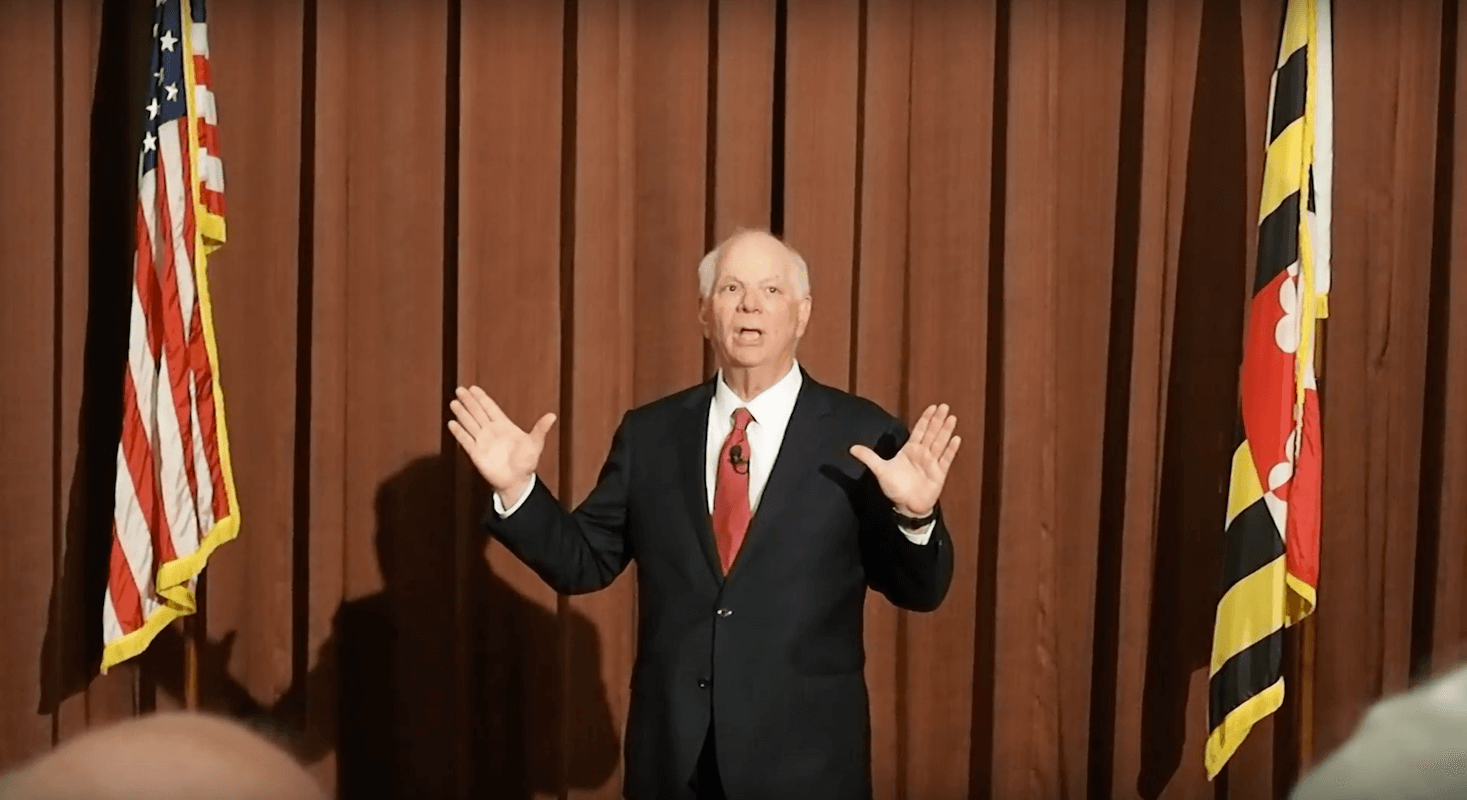
Kim Jensen reports on a town hall meeting with Maryland Senator Ben Cardin that was taken over by protesters opposed to his support for the Israel Anti-Boycott Act — under which businesses, organizations, and even individuals who join in the international movement to boycott and divest from the state of Israel can potentially face astronomical fines and even jail time. Jensen writes, “Senator Cardin has a clear choice before him. He can continue to dance and dodge his way down the unethical and undemocratic path of representing the interests of AIPAC and the pro-Israel lobby, or he can listen to his constituents and the respected lawyers of the ACLU,and kill this bill. He can’t have it both ways.”
Kim Jensen writes: Why do critics of cultural boycotts insist on framing them as a form of censorship, rather than as an invitation to imagine and enact more principled forms of engagement? Are cultural and academic boycotts an effective strategy when some artists and allies may be marginalized in the process? These are the kinds of questions that are explored in a useful new collection of essays, “Assuming Boycott: Resistance, Agency, and Cultural Production,” which offers a rich and lively analysis of historical and present-day boycotts and the ethical, political, and practical issues they raise.
Kim Jensen reviews We Will Not Be Silenced: The Academic Repression of Israel’s Critics, Edited by William I. Robinson and Maryam S. Griffin: “Across the breadth of these infuriating yet illuminating essays, a consistent pattern of tactics emerges. Most of these tactics are predicated on the lobby’s willingness to breach basic standards of academic freedom and common decency to achieve their aims.”
Monday, April 10, 2017, marked a significant victory for social justice activism in the state of Maryland. After a vigorous and well-organized campaign, legislation targeting the BDS movement was roundly defeated for the third time in four years. Kim Jensen talks to the activists who went up against powerful outspoken anti-BDS advocates like Dennis Ross, Governor Larry Hogan, and Senator Ben Cardin and won.
Dareen Tatour, a Palestinian citizen of Israel, faces the possibility of eight years in prison for “incitement” and support to a terror organization – for a Youtube poetry video and two Facebook posts.
It was exactly one year ago that Dareen Tatour’s ordeal began. In the pre-dawn hours of October 11, 2015, Israeli police and border guards stormed into Palestinian poet’s family home without a warrant or an explanation for the shocking and disturbing intrusion. They arrested, interrogated, and eventually charged Dareen Tatour with the crime of ‘incitement to violence’ for posts she made on Facebook. A year later, there is no end in sight.
Kim Jensen interviews Green Party vice presidential candidate Ajamu Baraka about Israel/Palestine, and the broader Arab world. Baraka says a Green Party administration would offer a reset on US/Israel relations: “We have to let this ally Israel know that it is a new day: that a real motion toward resolving this conflict has to unfold. We are not going to support the settlement process. We are not going to provide political cover for obvious criminal behavior. Support from the US is not going to be sustained if Israel continues to deny the fundamental rights of the Palestinians.”
In the late afternoon of July 26, 2016, Dareen Tatour briefly found herself a free woman. For a fleeting, puzzling hour and a half, the young Palestinian poet who is being aggressively prosecuted by the State of Israel for “incitement to violence” found herself standing alone by the side of the road outside Damon prison when she should have been getting transported home to continue her court mandated house arrest. The state’s apparent lack of concern about Tatour’s actual whereabouts demonstrates one of two things: either the Israeli security services are inept, or they have already caught a whiff of the obvious—that the mild-mannered poet poses no security threat whatsoever—and that this trial is entirely a political stunt.
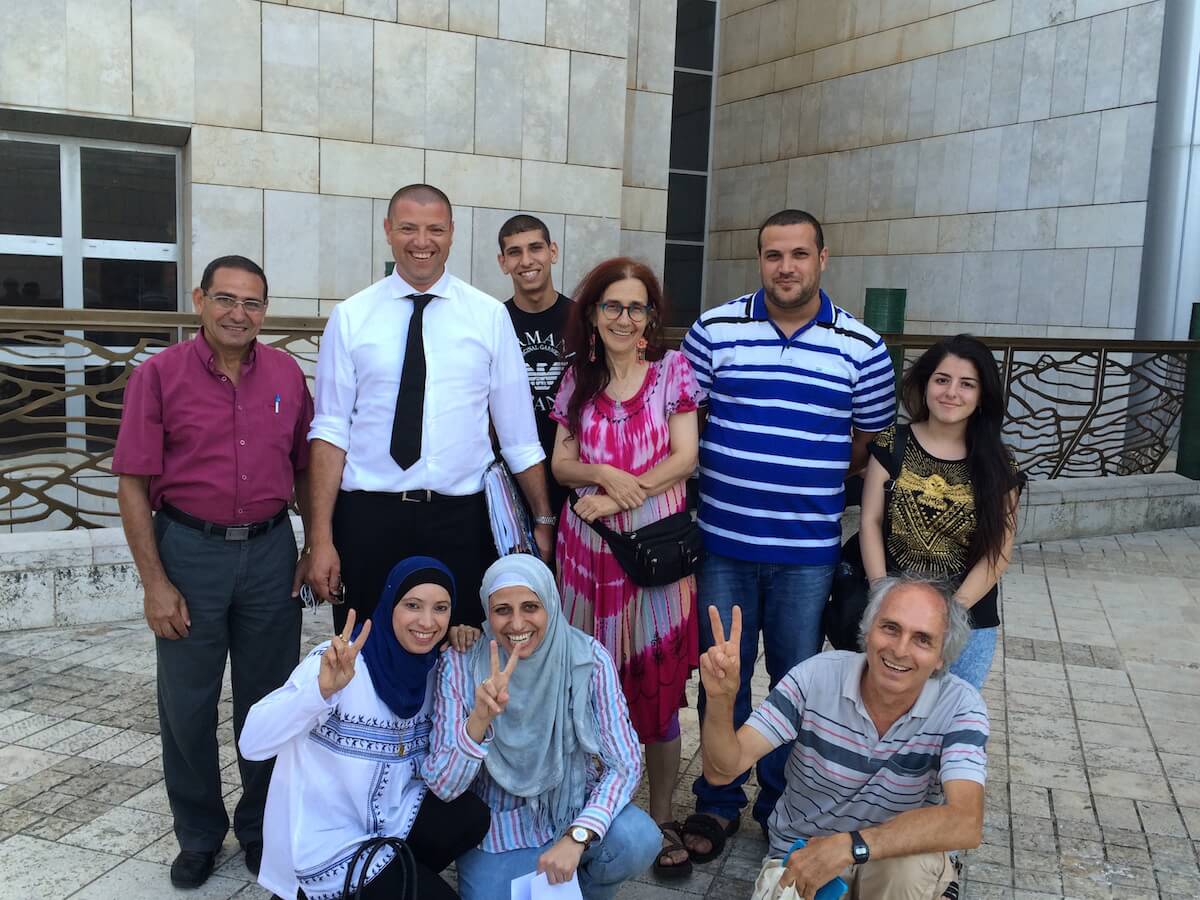
Kim Jensen reports from Nazareth at the third hearing in the Israeli government’s case against Dareen Tatour, the 33-year old Palestinian poet who is being prosecuted for “incitement to violence” on the basis of a YouTube clip and two alleged Facebook status updates. Jensen writes, “The wheels of justice grind slowly in the State of Israel, at least for Palestinian activists who endure de facto and de jure inequality under the law.”
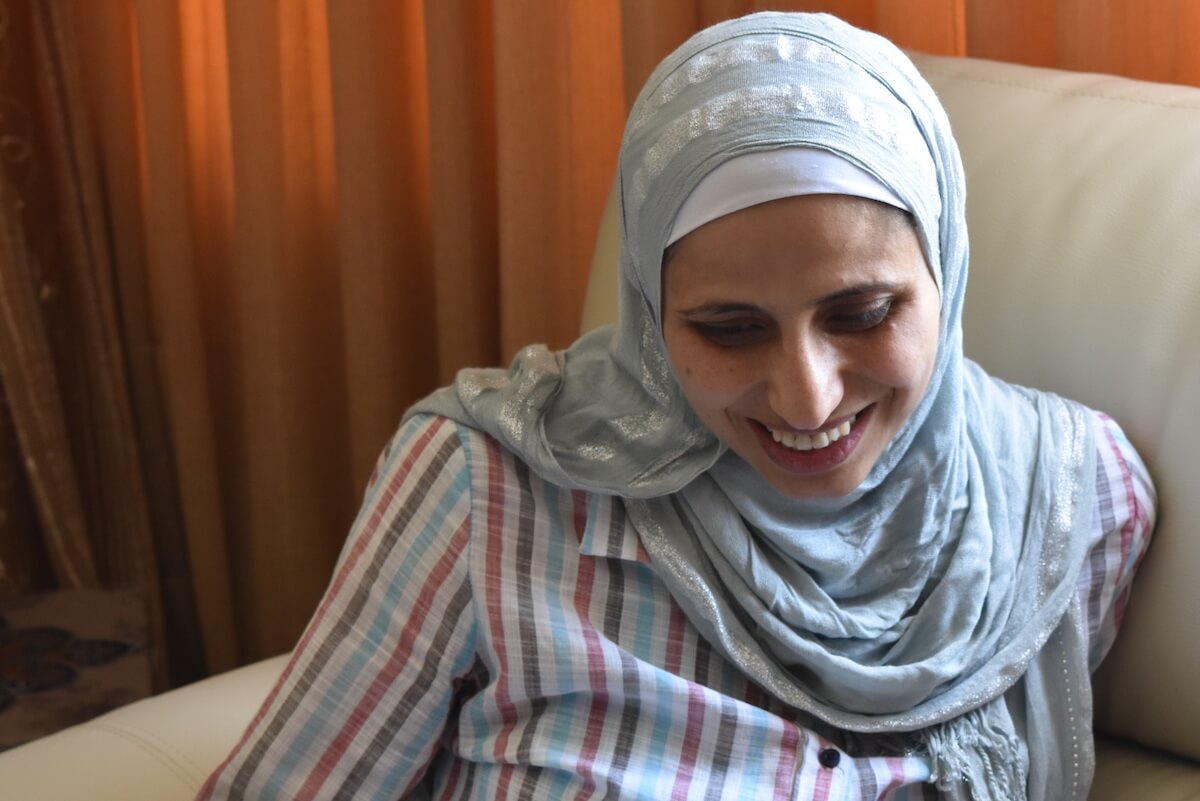
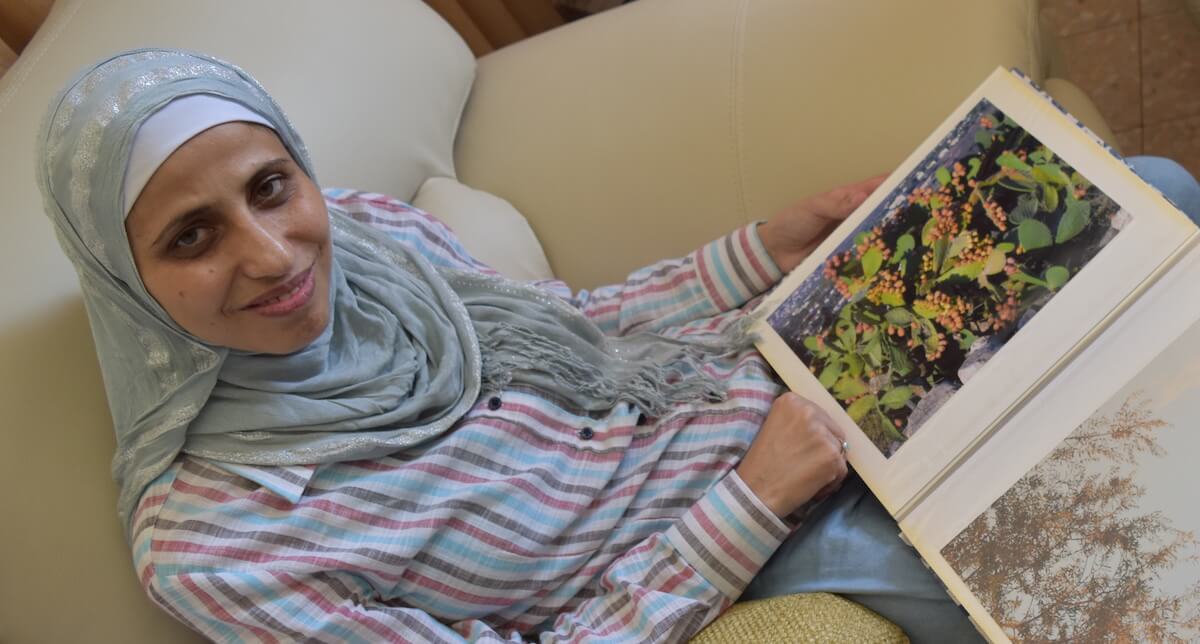
At about 3:00 am on October 11, 2015, Israeli police and border guards kicked open the door of the Tatour family home and hauled Dareen Tatour off in her pajamas. The police had no warrant and offered no explanation for the shocking pre-dawn raid. It was only after twenty days of imprisonment and four interrogations that Tatour and her family finally learned the exact nature of the charges. She was being held for “incitement” because of two Facebook posts and a poetry video clip that she posted on YouTube. Nine months later, an Israeli court issued Tatour a 48-hour pass to visit her family in Reineh, a small Palestinian town outside of Nazareth, where Kim Jensen talked to Tatour about her case, her work, and her aspirations as an artist.