Shahd al-Afifi has a rare skin disease that requires a strict daily routine of constant moisturization, careful hygiene, and a humid, climate-controlled environment. The genocide in Gaza has made this impossible.
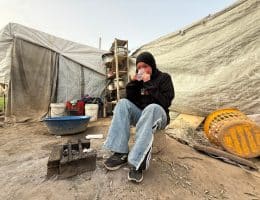

Shahd al-Afifi has a rare skin disease that requires a strict daily routine of constant moisturization, careful hygiene, and a humid, climate-controlled environment. The genocide in Gaza has made this impossible.
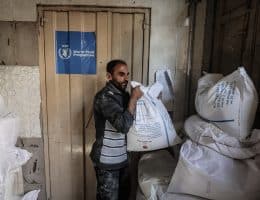
The majority of Gaza’s population now relies on foreign aid to secure food, water, and every other basic necessity. The Israeli government’s banning of 37 organizations that provide this vital aid will leave Palestinians without a means of survival.
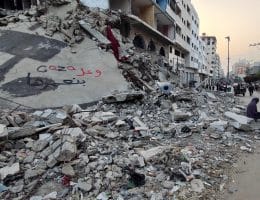
With limited resources, Palestinians in Gaza and in exile are funding community reconstruction efforts amid the absence of international aid. “We have to keep trying to help Gaza rise again,” an organizer with the Sameer Project tells Mondoweiss.
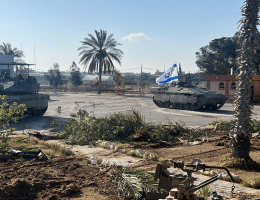
Gaza’s Rafah border crossing was supposed to reopen in October as part of the ceasefire agreement. But the border remains closed, keeping Gaza shut off from the outside world and preventing families from reuniting with loves ones.

An Israeli attack on her shelter caused the amputation of both of Nibal’s hands, forcing her to lose the thing she held most dear: the ability to hold her young daughter. Her story is one of hundreds of amputee women in Gaza.
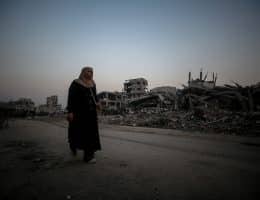
Palestinians hoped the Gaza ceasefire with Israel would offer a chance to recover from two years of genocide, but a month later, Israel continues to strike with impunity, the economic crisis remains, and nutritious food is nearly impossible to find.
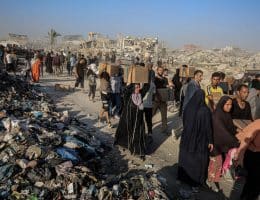
Palestinians have delivered testimony after testimony about the Israeli-backed and U.S.-run “death traps” masquerading as aid sites. But no one listened until Haaretz published direct testimony from the perpetrators.
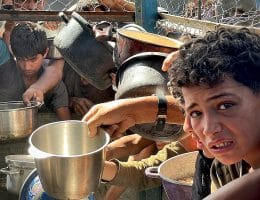
Illnesses that were manageable before the war are turning deadly amid “catastrophic levels” of food insecurity in Gaza, and 19 months of genocide have now led to the spread of new diseases, reaching record numbers.
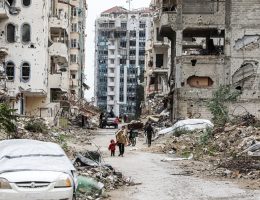
As Palestinians return to what remains of their homes, they find that they are no longer the places they left behind, because the ones they love the most are gone.

I imagined that the end of the war would bring relief, but normalcy feels like a distant stranger I don’t know how to welcome.