This Saturday, a Palestinian man stabbed an Israeli Jew close to the Damascus Gate in Jerusalem (inflicting moderate wounds). He then ran towards Border Police officers who shot him several times – notably twice when he was already laying on the ground, incapacitated. Politicians all over the mainstream political spectrum hailed the act of murder.
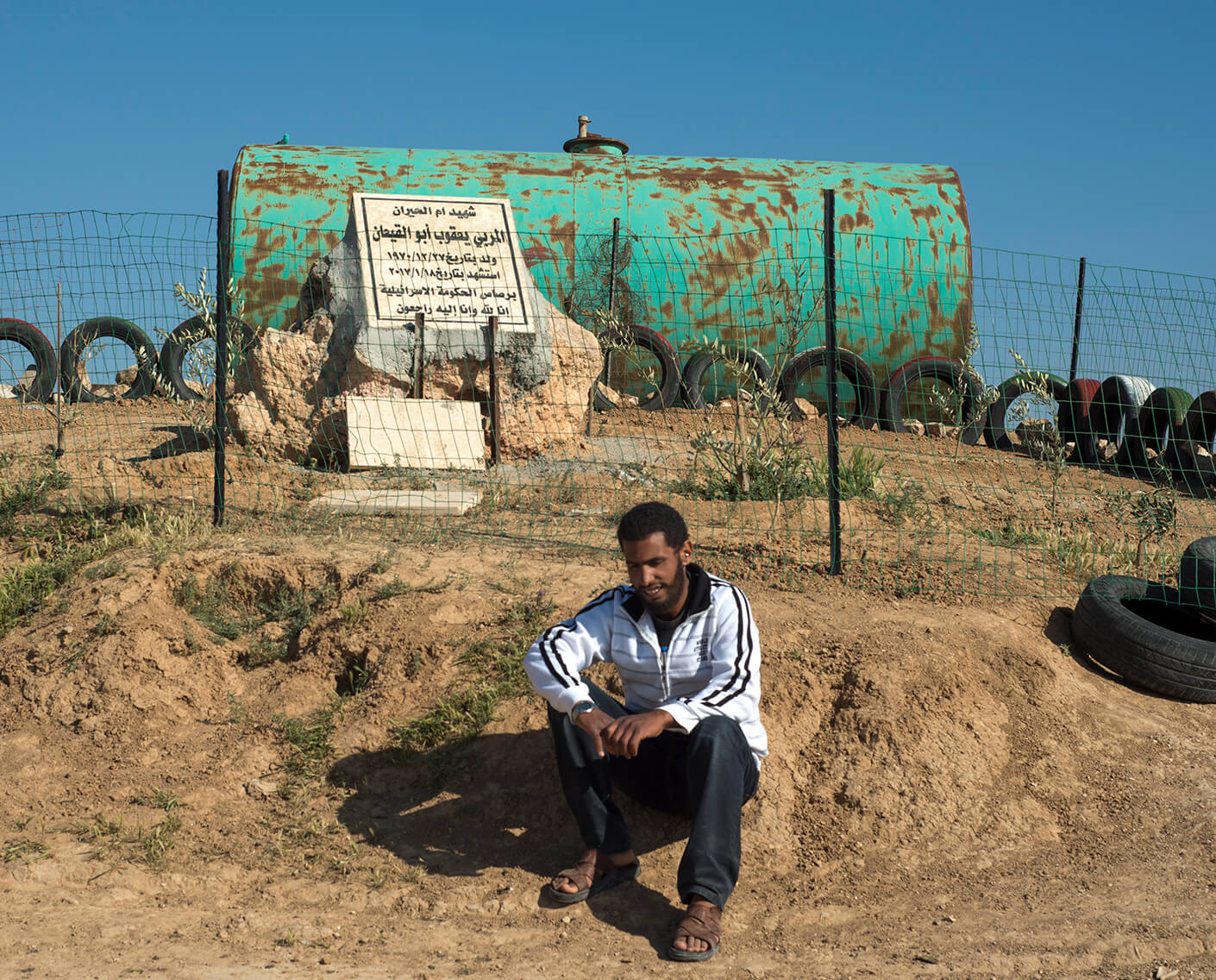
Israel has a long-standing policy of refusing to release the bodies of Palestinians who have been killed by its military for burial. This is yet another form of collective punishment, where Israel uses the dead as an example to anyone who dare challenges the apartheid state.
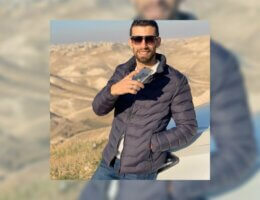
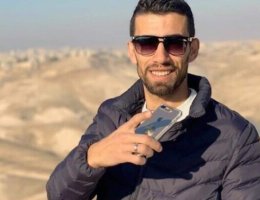
The State Department briefing is turning into a forum for reporters who are impatient with the charade of a two-state solution. Said Arikat asks what the US is doing about his cousin Ahmed Erekat’s killing at an Israeli military checkpoint in the occupied West Bank last June, and the “torment” of his family because Israel won’t release Ahmed’s body.
In a report published on Tuesday, Forensic Architecture and Palestinian human rights organization Al-Haq claim that Erekat was executed despite posing no imminent threat to the soldiers’ lives at the time, and was additionally denied medical attention by Israeli authorities after he was shot.
If there ever was a year in recent history that was truly unforgettable, 2020 is it. In Palestine, COVID-19 did not stop the occupation, and in many cases exacerbated the devastating effects of 53 years under Israeli military rule. On top of the pandemic, we witnessed major shifts in global politics with widespread regional normalization, and the defeat of US President Donald Trump. Meanwhile, global movements for justice like Black Lives Matter, and the fight for justice in Palestine continued to transcend borders, thrusting marginalized voices into the mainstream in ways that were once unimaginable.
Israel’s security cabinet ruled on Wednesday that it would not be returning the bodies of Palestinians killed by Israeli forces to their family for burial, following weeks of appeals from the family of Ahmed Erekat, who was shot dead at a military checkpoint in the occupied West Bank in June.
Yesterday marked 37 days since 27-year-old Ahmed Erekat was killed by Israeli forces and his body was subsequently detained. As Palestinians across the West Bank took to the markets to prepare for this weekend’s Eid al-Adha festivities, the Erekat family took to the streets to demand the return of their son’s body.
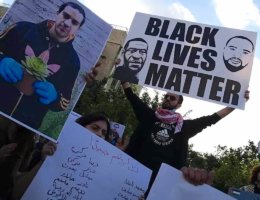
The confluence of George Floyd’s murder with the coronavirus pandemic has made it possible for Black Lives Matter’s abolitionist message to be adopted by millions. This message is increasingly including Palestine.
On Monday, 13 July 2020, 83 Palestinian, regional, and international civil society organisations from across 16 countries submitted a joint urgent appeal to the United Nations (UN) Special Procedures on the extrajudicial execution and wilful killing of Ahmad Mustafa Erekat, 26, by the Israeli occupying forces, in cooperation with the Erekat family, urging international justice and accountability for Israel’s shoot-to-kill policy targeting Palestinians.