Tag

East Jerusalem

Browsing
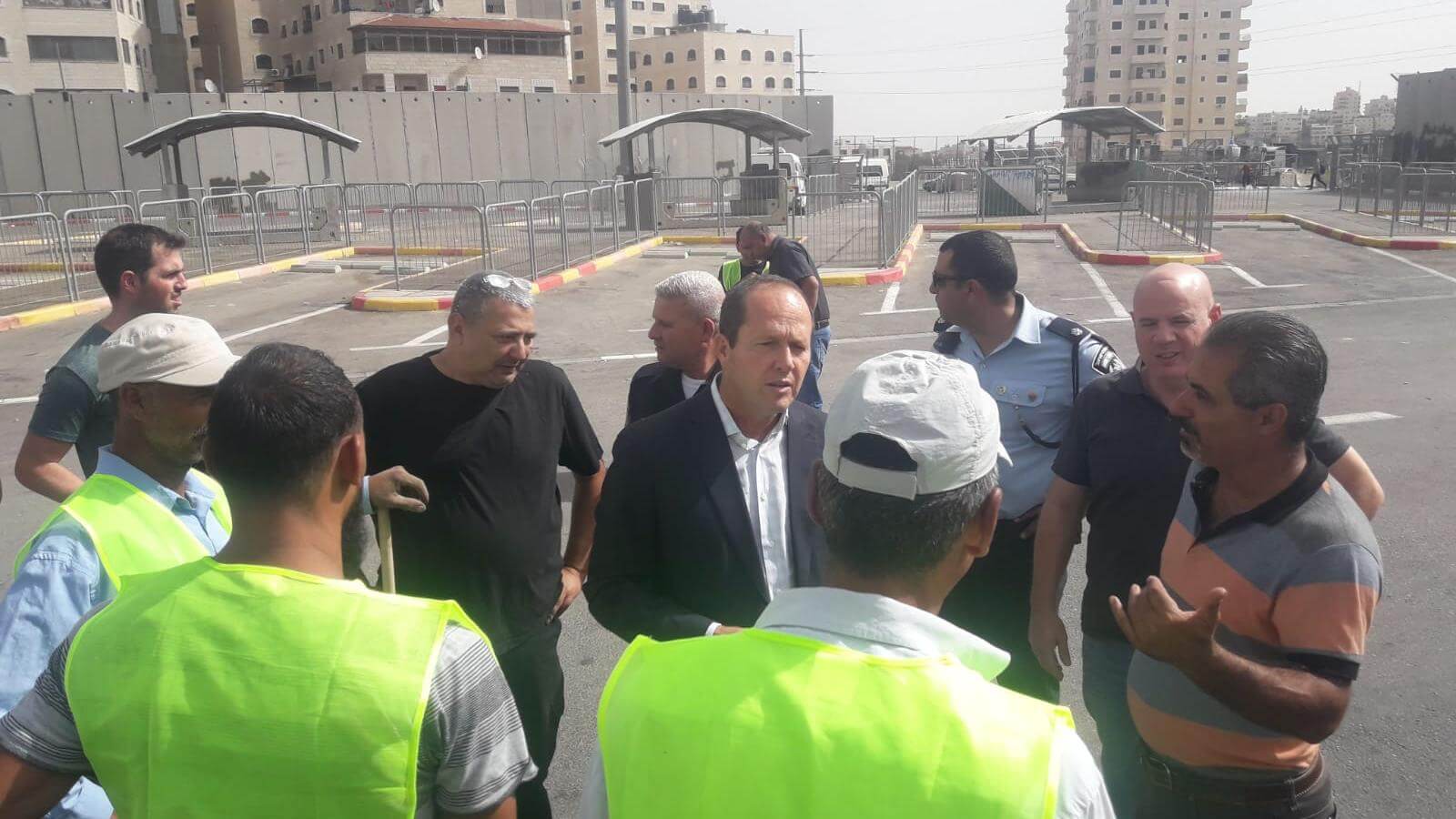
Jerusalem Mayor Nir Barkat (center) talks to municipal workers on October 23 in Shufat Camp.

The residents of the Shufat Refugee Camp in occupied East Jerusalem were recently surprised to find sanitation workers from Israel’s Jerusalem Municipality, escorted by Israeli border police and garbage trucks, picking up trash in the streets, which is normally the job of UNRWA sanitation workers. The cleanup, was ordered by Jerusalem mayor Nir Barkat as the first step in his plans to “end the refugee lie” and shut down UNRWA operations in Jerusalem completely.

Israel adds a new measure of collective punishment on top of house demolition and deportation – and sues a Palestinian family for its expenses of tombstones and grants to slain soldiers’ families. But when the Abu Khdeir family seeks to punish the families of Jewish terrorists who killed him– nothing doing.

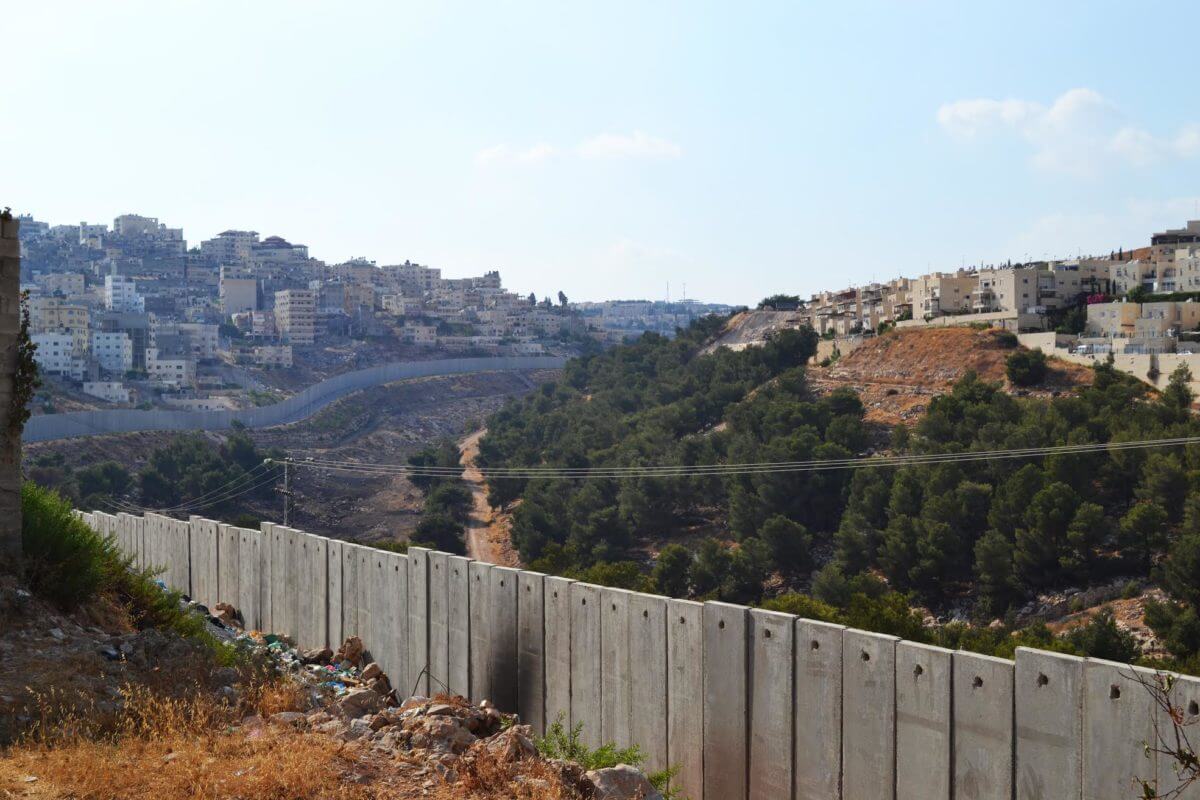
An Israeli settlement sits to the right of Israel's separation wall in East Jerusalem, dividing the Palestinian neighborhood to the left, from other Palestinian neighborhoods in the area. (Photo: Eoghan Rice)

Aline Batarseh writes, “Despite Israel’s efforts to “unify” the city, Jerusalem remains divided. No one understands this reality better than the people who live in this contested city. Despite the fact that Israelis and Palestinians live in close proximity to one another, there is little communication between them. I personally have never socially interacted with an Israeli in my life. We live separate—and unequal—lives.”

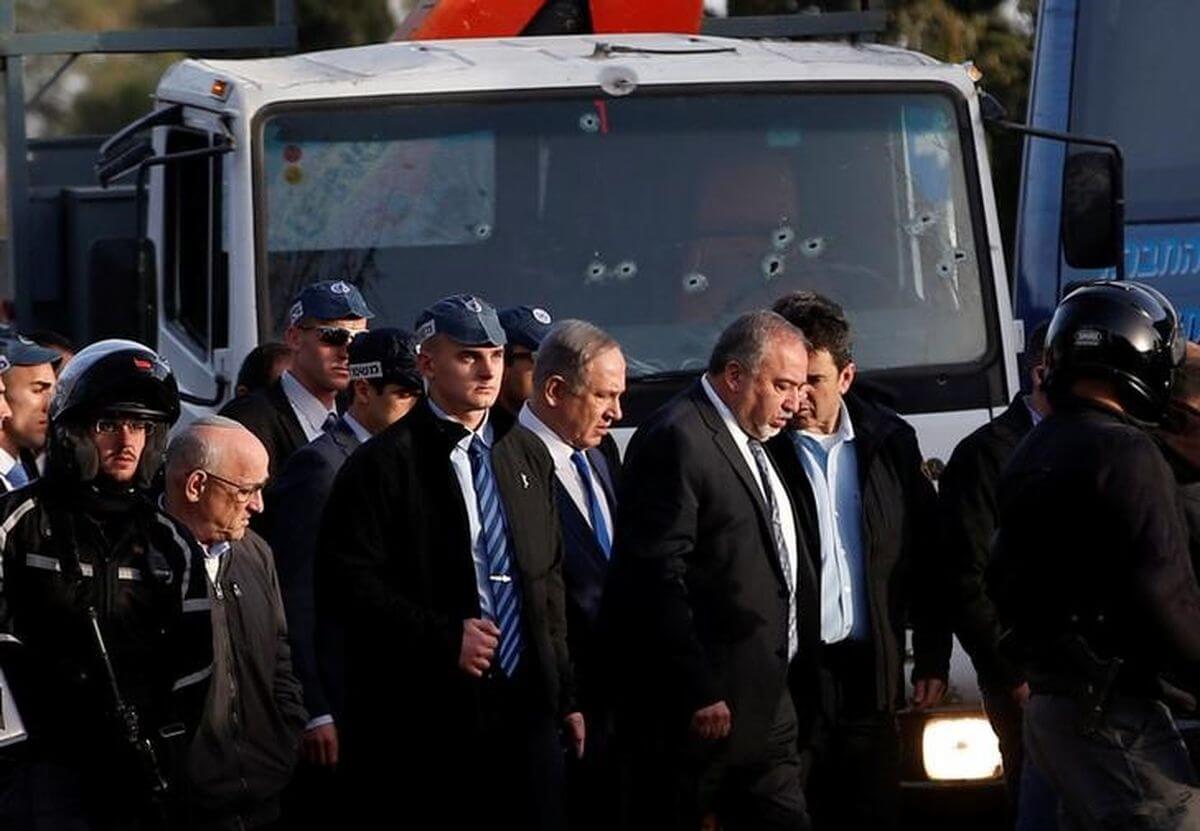
“We in Jerusalem have just experienced an unprovoked terrorist attack, a murderous attack that claimed the lives of four young Israelis and wounded others”, said Israeli PM Benjamin Netanyahu in a statement right after the car ramming attack in East Jerusalem two days ago. But is an attack on military personnel in occupied territory a terror attack? Jonathan Ofir writes, “By such rhetoric, Netanyahu blurs the distinction between military and civilian targets, a principle which is very important in the distinctions concerning terror. When we sum up the whole of the setting, what we actually have is a Palestinian under occupation, targeting a gathering which is rather exclusively manned by soldiers, military representatives of the army that is occupying him. All this falls, prima facie, within the distinctions regarding legitimate resistance to occupation. It does not matter how ugly it looks, we cannot without critical appraisal of the context just call it ‘terror.'”