Robert Vitalis’s new book, “Oilcraft” argues the US militarization of the Arabian Gulf is based on false ideas about controlling oil. But history shows this control is central to maintaining hegemony, which is the US goal.

Robert Vitalis’s new book, “Oilcraft” argues the US militarization of the Arabian Gulf is based on false ideas about controlling oil. But history shows this control is central to maintaining hegemony, which is the US goal.

‘We Are Many’ tells the story of the protests of February 15th 2003, when 30 million people across the world said no to the Iraq War. It’s an inspiring story of resistance, but it also demonstrates how that historic day has shaped our current world.
Robert Draper’s ‘To Start A War: How the Bush Administration Took America Into Iraq’ is a stunning, thorough account that is not only historically indispensable, but is also an up-to-date warning that the U.S. could be tricked into a war with Iran, with some of the same culprits responsible.
“We don’t have to be in the Middle East, other than we want to protect Israel,” Trump tells a rally in North Carolina. And the comments have gone all but unreported in the mainstream press.

“The Middle East is a… place where the most bizarre theories often have real policy consequences,” Atlantic editor Jeffrey Goldberg writes in full Orientalist mode. Yes well what about his bizarre theories about Saddam’s links to Al Qaeda that helped get the U.S. into the Iraq war?
Trump has made the establishment nostalgic for the last Republican president. But Bush made the most destructive executive mistake of recent times, the decision to invade Iraq in 2003. It was based on lies, and a weakminded strategy of bringing democracy by gunpoint, and its wrongness was obvious at the time to millions who protested it.

Jonathan Coulter describes the Western media’s very poor reporting of the Ukraine famine of 1932-33 that killed approaching four million people. He then compares this to contemporary UK reporting of matters that concern the Middle-East, including Israel/Palestine, questioning whether our standards have improved in the intervening period.

Exceptions to the mainstream voices who see the U.S. as playing a beneficent role in the Middle East, Geraldine Brooks and Bernie Sanders cite American war crimes and call for diplomacy, not assassinations.
The New York Times gives Paul Wolfowitz a platform to criticize Trump on the withdrawal from Syria, and the fight against ISIS, without saying a word about the roots of ISIS in the destruction that his project of invading Iraq wrought throughout the region. Wolfowitz should be on trial for major war crimes, Helena Cobban writes, not featured in the New York Times.
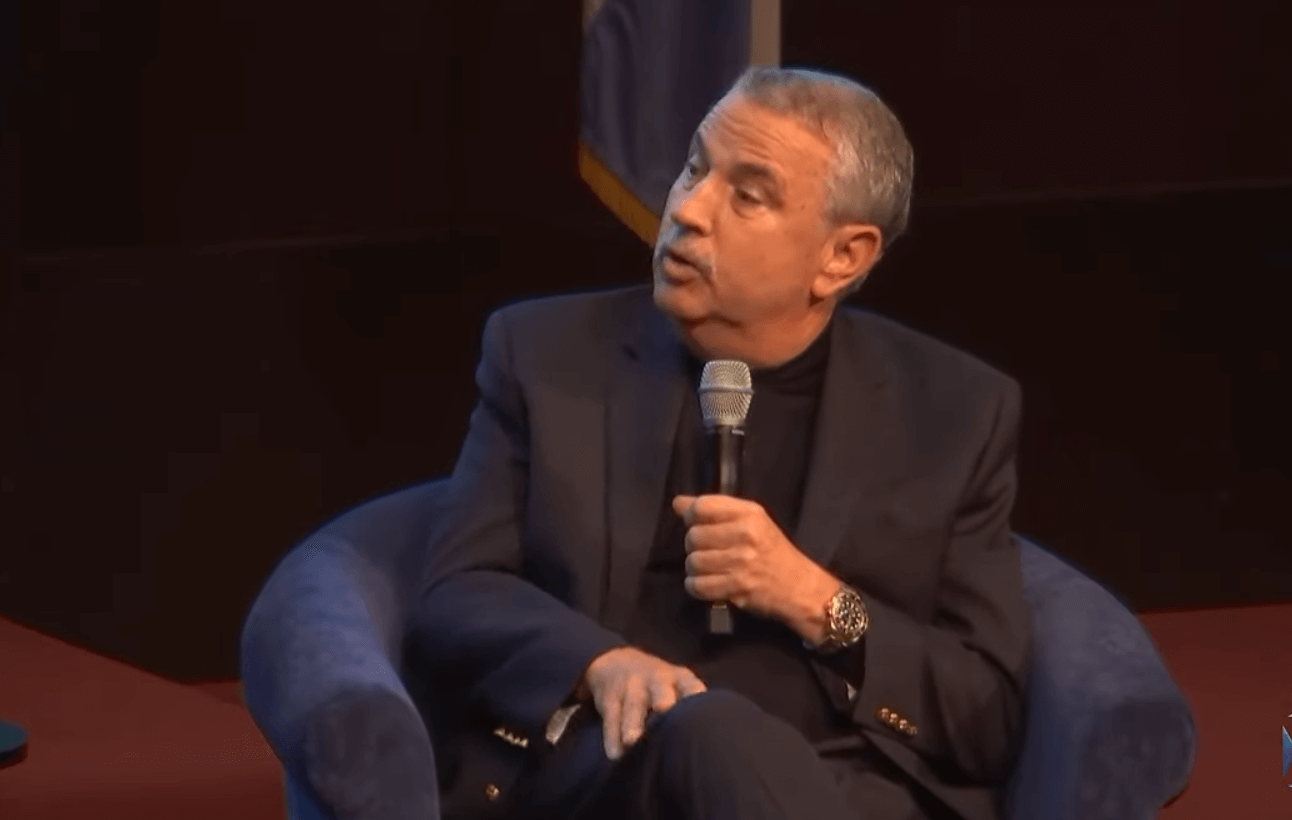
Tom Friedman of the New York Times says he supported Iraq war in part to keep Israel from being surrounded by chaos in Arab world. He assures a pro-Israel audience, “Israel had me at hello. Whatever you think folks– don’t worry. In times of crisis, I know where I will be. When the Jewish state is under threat–” Though he worries if the next foreign affairs columnist will get a “buzz” for Israel.