Suheir Abu Oksa Daoud says Israel’s repeat national elections grants the Palestinian leadership a golden opportunity to seek lessons from last April’s results where they dropped four seats and lost their standing as the third-largest party in the legislature.
While Israeli Prime Minister Benjamin Netanyahu is in the final hours of forming a ruling coalition to lead the country, the Joint List is organizing a mass march. Unrecognized villagers will camp and walk their way to Israel’s seat of government, all while their party’s leadership is tightening ties with presumed opposition heads in the Zionist Camp.
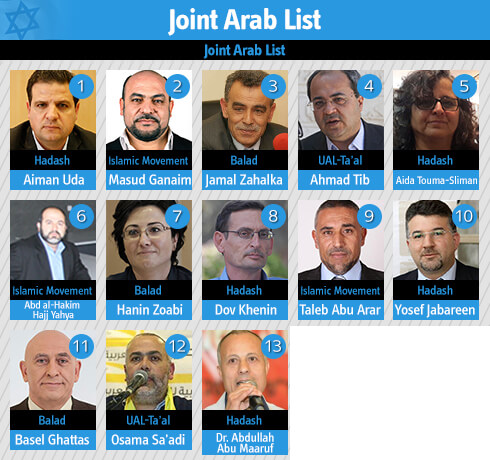
Something has changed inside Israel for its Palestinian citizens. The hard data is revealing: voter turnout by Palestinian citizens of Israel jumped by 10% from the last election and in the Joint Arab List’s party leader’s home district it was nearly an unheard of 80%. The joint list is full of fresh faces with seven first time Knesset member, two women, five communists, two national democrats, two Islamist, one Christian and one Israeli-Jew. Meet the next Knesset members from the Joint Arab List.
A historic moment was about to take place at campaign headquarters. An assistant for Ayman Odeh, head of Joint Arab List, a coalition of four parties running on one ticket for the first time, pulled me aside in the Nazareth convention hall and said with a smile, “we got 14 seats.” It was 8pm, there were still two hours to go before precincts would shut. Yet the Nazareth rally was abuzz over early the results. Israeli media had estimated their group would win enough seats in the next Knesset to become the third largest party in the country. It would become an unprecedented feat for the 20-percent Arab-Palestinian minority population. In this election another candidate, Avigdor Liberman, campaigned that they are a fifth column, to be expelled to the West Bank. Those signs, were plastered all over the entrances of Arab villages throughout the north of Israel throughout the past three months.