What role does literature play in the Palestinian liberation movement? Though the question itself isn’t subversive, it feels that way. There are many considerations, but it’s hard to imagine what a poem can do in the barrel of a gun.
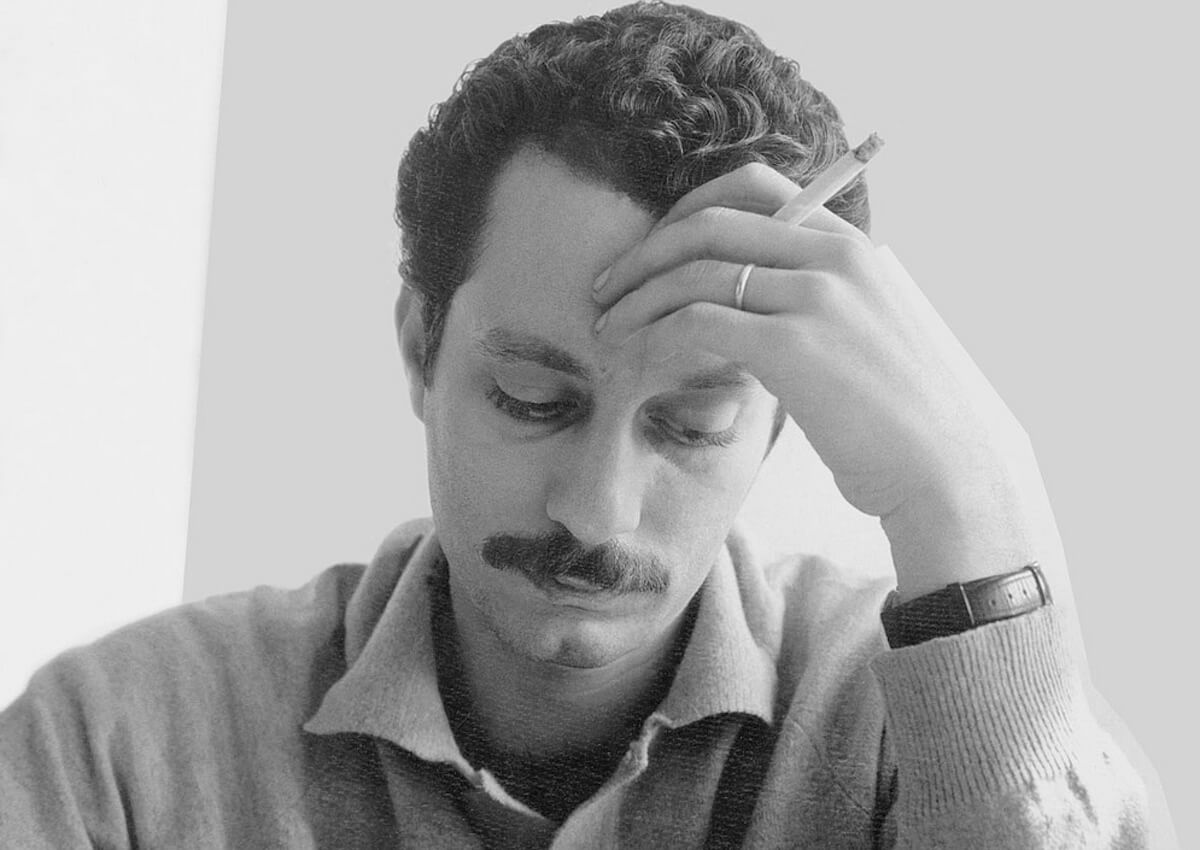

What role does literature play in the Palestinian liberation movement? Though the question itself isn’t subversive, it feels that way. There are many considerations, but it’s hard to imagine what a poem can do in the barrel of a gun.

The Palestine Writes Literature Festival returns in September to celebrate Palestinian literature and culture and end the silencing of Palestinian cultural workers.
Complicated themes of exile, marginalization, death, and history recur throughout (post)colonial fiction. It is no surprise that Palestinian students in Gaza connect with them on a personal level.
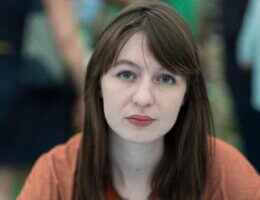
Media reports have implied that Sally Rooney rejected an Israeli publisher’s request to translate her newest novel because she is boycotting the Hebrew language, but a statement put out by the writer makes it clear that the issue is Israel’s system of apartheid.

The Middle East Union festival is a literary festival that includes musical and queer performances, readings, live panels, and online discussions, held in Berlin from August 12 to 15.
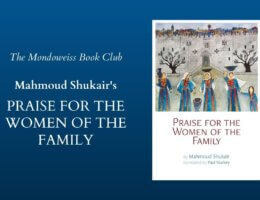
This month we’re excited to share Mahmoud Shukair’s “Praise for the Women of the Family,” a delightful novel set in the tumultuous time after the Nakba (the Palestinian exodus from what is now Israel), portraying the rapid advance of modernity and the growing conflict in 1950s Palestine.
Studying literature expands our understanding of the possible. Studying (post)colonial literature shows how Palestinian state building has failed to achieve the liberatory promises of contemporary Palestinian nationalism.
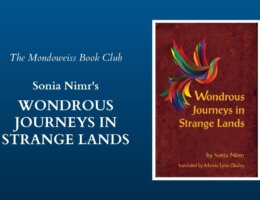
In Sonia Nimr’s imagined historical fable set in Palestine hundreds of years ago, Qamr and her family embark on daring adventures across empires in a quest to remove a curse that hangs over their village, running into pirates, kings and kidnappers.
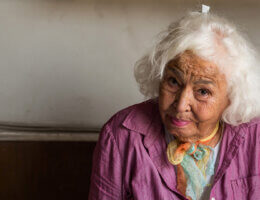
Egyptian novelist, physician, sociologist and global activist Nawal El Saadawi died on 21 March 2021 at the age of 89.

Zaina Arafat joined Mondoweiss Associate Editor Allison Deger to discuss her novel, YOU EXIST TOO MUCH.