Many Palestinians living under occupation are outraged by the the recent normalization deals between Israel and Arab nations, but are finding very little direction from their leaders on how to fight this latest affront to their freedom struggle.


Many Palestinians living under occupation are outraged by the the recent normalization deals between Israel and Arab nations, but are finding very little direction from their leaders on how to fight this latest affront to their freedom struggle.

The export of wines from the Golan Heights to Dubai marks Trump’s legacy in the region: perceived legitimacy for the occupation and expanded markets for settlement businesses.

Trump’s normalization deals have fundamentally altered the political landscape. But Palestinians and their allies can still use grassroots power to strategically counter this new reality.

The struggle for Palestine is inextricably linked to the struggle against the authoritarian regimes in the Middle East. Recent moves by Gulf monarchies to normalize with Israel will only make their rule more unpopular and empower the BDS movement.
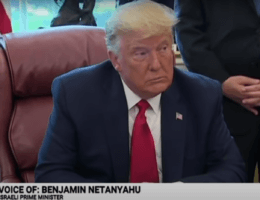
In a pre-election maneuver, the Trump administration just pressured Sudan into partially normalizing relations with Israel — with not even an exchange of ambassadors — but experts warn that the move could backfire, and jeopardize Sudan’s fragile democracy.
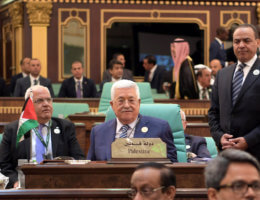
46 years ago, the Arab League led the way in recognizing the PLO as “the sole, legitimate representative of the Palestinian people,” but today those same states are leading the drive toward normalization with Israel. The Arab League appears to have abandoned the Palestinians.

While Emirati citizens will be allowed into Israel without visas, Palestinians living inside the opT must undergo a painstaking process to obtain a permit to enter Israel for anything from work, health and humanitarian emergencies, to a simple visit to religious and cultural sites in Jerusalem.

The Netanyahu government has advanced plans for 4,948 new settlement units in the West Bank, signalling an end to the pretense that Israel halted its annexation plans in exchange for normalization with Arab countries. Analysts suggest the slate of approvals are part of a larger effort to take advantage of US support while Donald Trump is still in power.
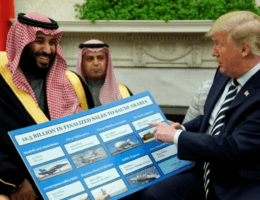
Earlier this month, Rep. Brad Schneider (D-IL) introduced a bill with potentially far-reaching and unprecedented implications for Israel’s ability to nix US weapons sales to the Middle East. H.R.8494, the Guaranteeing Israel’s QME Act of 2020, would mandate the president to consult the Israeli government “for information regarding Israel’s qualitative military edge” before the selling weapons to other Middle Eastern countries.
The United States has the dubious distinction of being the world’s leading arms dealer. It dominates the global trade in a historic fashion and nowhere is that domination more complete than in the Middle East.