On a medical delegation to Gaza Tom Foster was struck by Israel’s appalling indifference to Palestinian life. “What possible security do you realize by denying a breast cancer patient the standard of care for her disease?” he asks.

On a medical delegation to Gaza Tom Foster was struck by Israel’s appalling indifference to Palestinian life. “What possible security do you realize by denying a breast cancer patient the standard of care for her disease?” he asks.
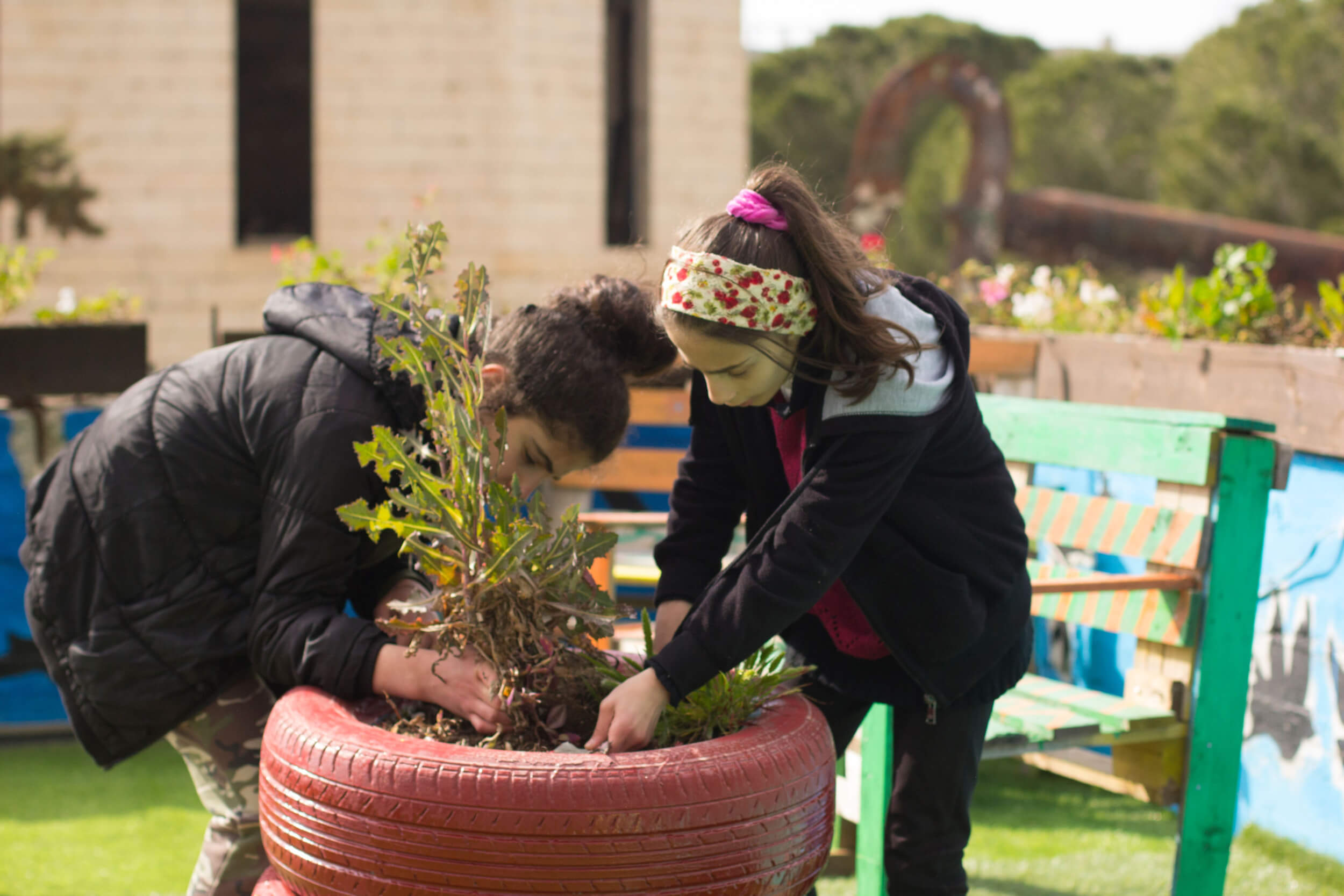
It is planting season in Palestine. For the last few weeks Shatha al-Azzeh and her colleagues in the Environmental Unit at the Lajee Center in Aida refugee camp outside of Bethlehem have been working with young people from the camp to set up new rooftop planters.
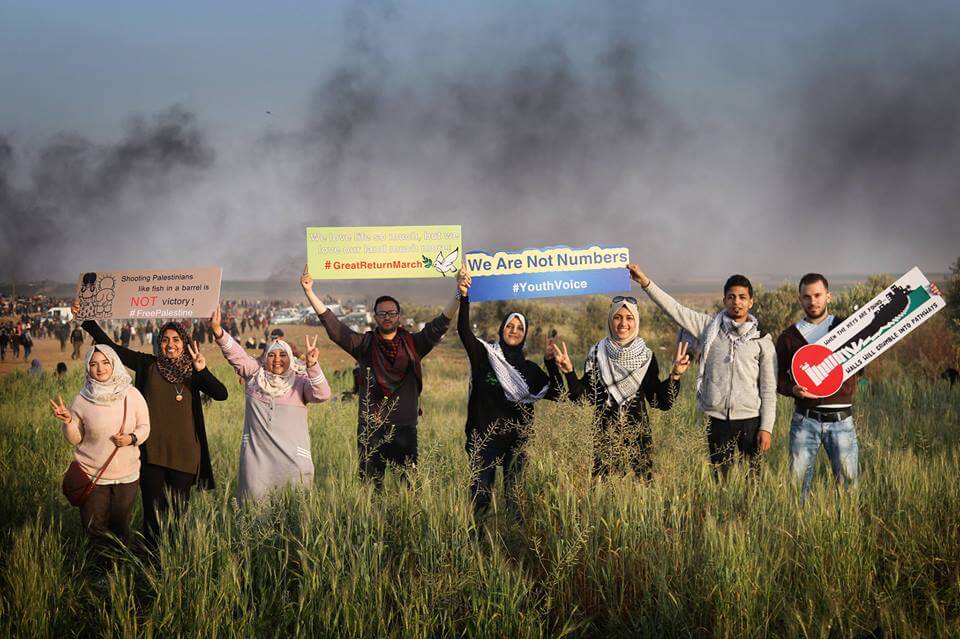
How do Gazans respond to missile attacks? “I was peacefully mixing my Nutella brownie batter when Israel decided to bomb the shit outta Gaza, I didn’t flinch,” Omar Ghraib wrote. “I was watching a Korean TV series and didn’t check Facebook for hours,” writes Besan Aljadili. We Are Not Numbers surveyed responses.
Antony Loewenstein spends a day in the Jordan Valley reporting on the nightmarish situation for many Palestinian shepherds as they attempt to graze their land.
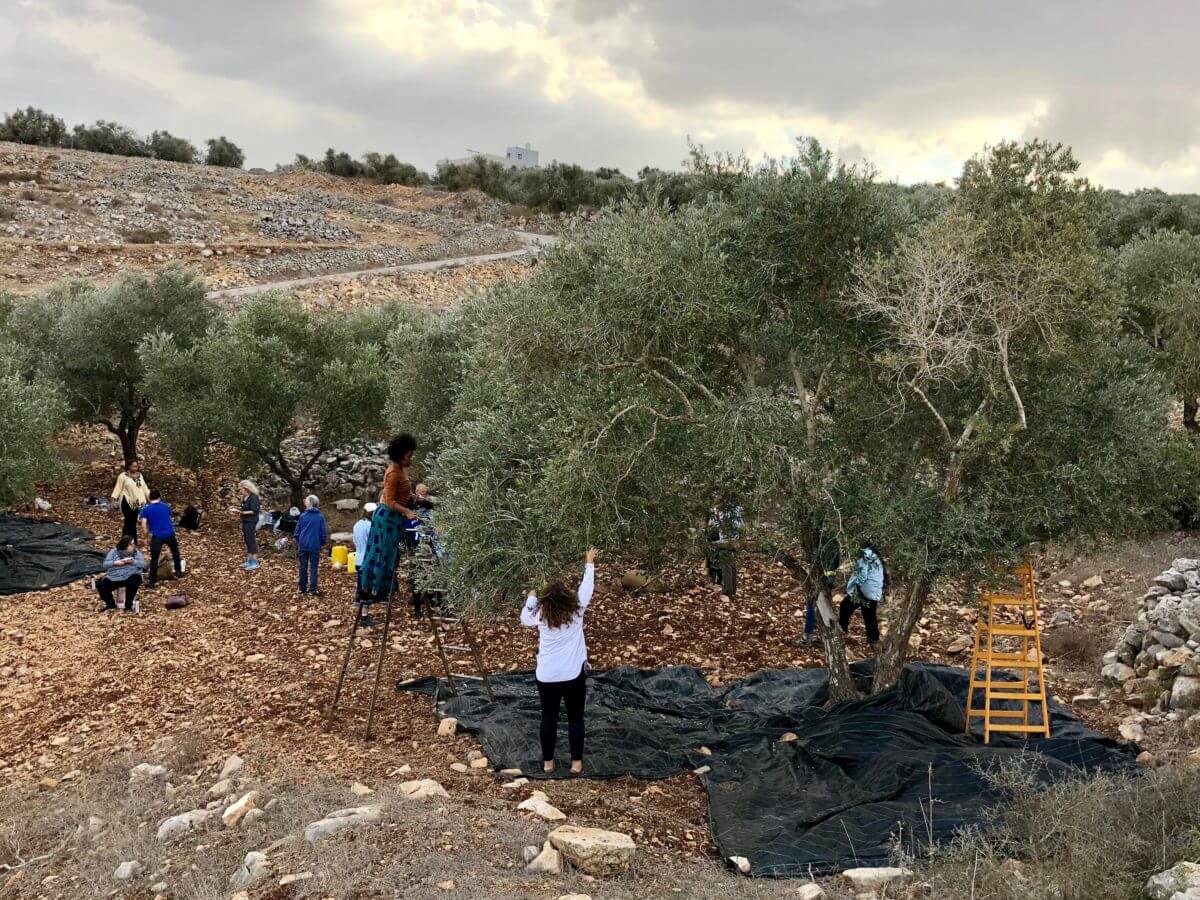
Since 1967 Israel has issued military orders asserting its control over all water sources in the occupied territories, depriving Palestinians access to their own water. What does this water deficit look like on the ground? Nancy Murray explains how Palestinian farms cope without access to irrigated or piped water.

Gaza photographer Mohammed Asad has just turned away from the fence protest Friday when he felt a sting on his cheek and his camera strap jerk and saw Mohammed al Jahjuh, 16, writhing on the ground Al Jahjuh had been killed by an Israeli sniper. Asad narrowly escaped death, but his $2500 Canon camera was destroyed. He will borrow equipment, he vowed, to return to the protests. Israelis don’t understand “the Palestinian’s stubborn brain.”
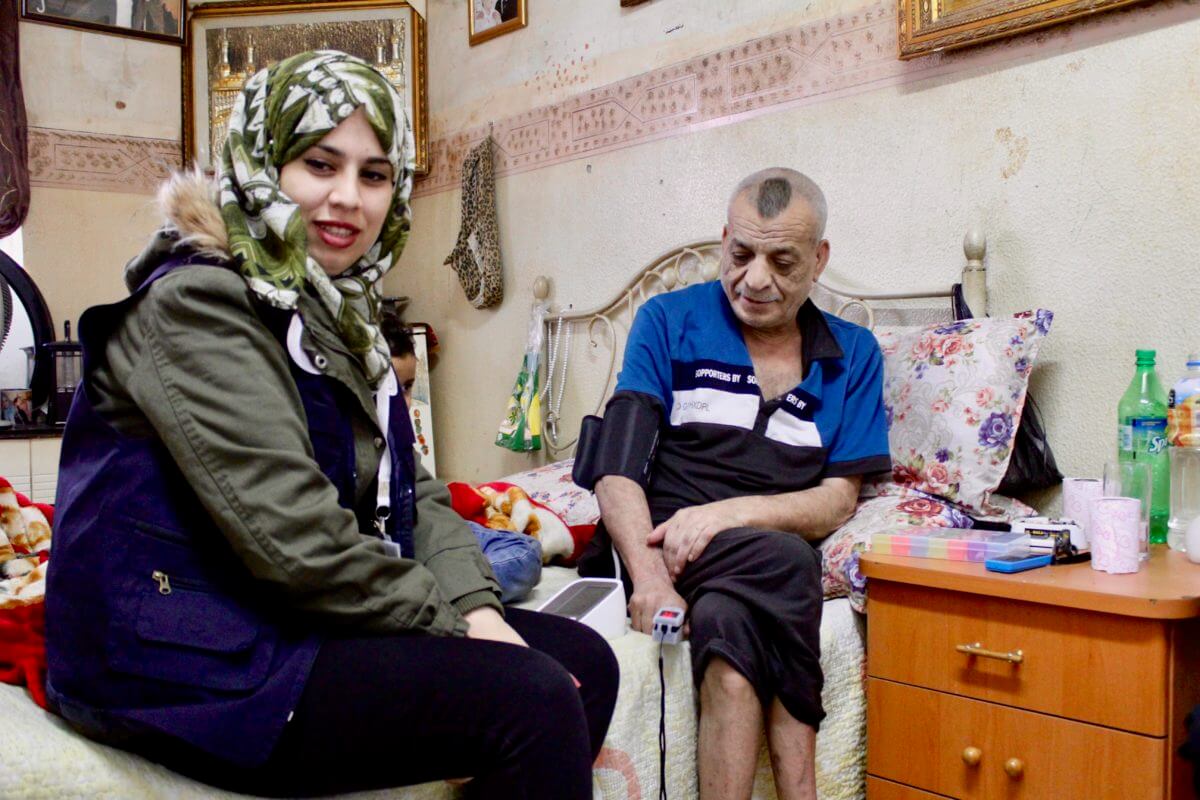
Dr. David Scales does house calls on patients in Aida refugee camp being treated for high blood pressure and diabetes, “The nearest UNRWA clinic with specialized care to manage complex chronic diseases is about three miles away and uphill. For elderly refugees with limited ability to walk, expensive taxis are the only way to get there.”
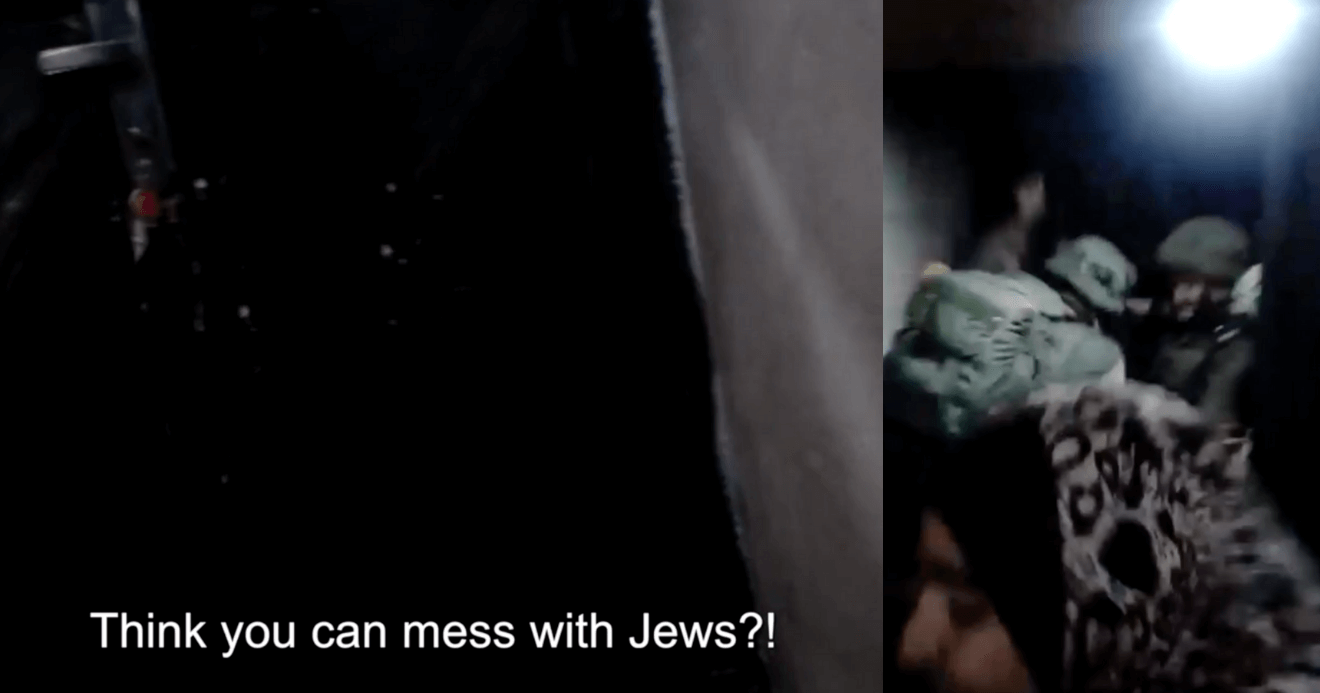
Without a warrant, Israeli soldiers surround and raid the Karamah house in Hebron at 4AM on 20 Sept. 2018, assaulting and violently arresting Jamal and Hanaa Karamah. “My young daughter Tasnim now panics every time someone comes to visit us,” Jamal told B’Tselem. “I don’t understand why they harassed our family. Why terrorize us like this and arrest us?”
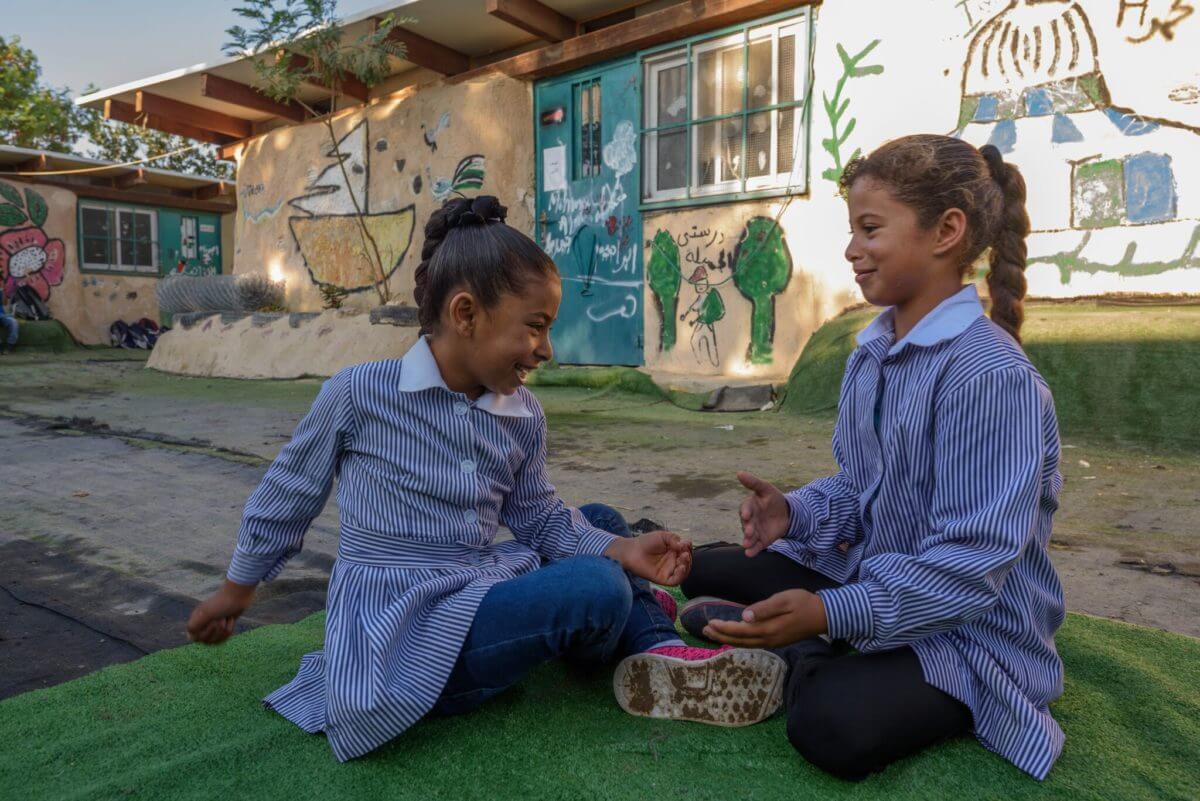
A tiny Palestinian Bedouin town located in the West Bank hills outside of Jerusalem is bracing for an impending eviction to make way for plans to expand an Israeli settlement. This case has implications far beyond the 32 families who live there and the nearly 200 students who attend the school in the town. If the eviction moves forward, it will pave the way for a Jewish-only settlement bloc to divide the West Bank into two, rendering impossible the creation of a unified Palestinian state in the occupied territory.
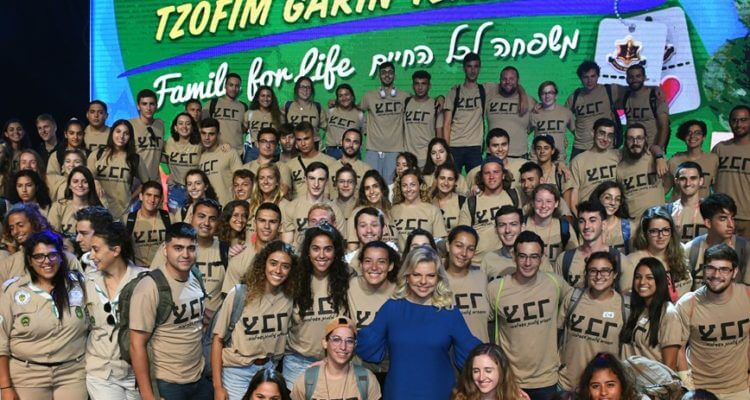
Megan Giovannetti put out a call on Facebook for Lone Soldiers in the Israeli military to explain why they enlisted. The response was overwhelming. Many left homes in the U.S. to defend Israel, some wanted to escape troubled homes lives for adventure, others are described as “crazy.”