In the U.S. political mainstream, expressing support for the “two-state solution” in historic Palestine has been routine for many years. But anyone who looks at the map of the settlements Israel has implanted into the occupied West Bank (including East Jerusalem) has to conclude that withdrawing enough of them to provide territory for a viable Palestinian state is now politically impossible.
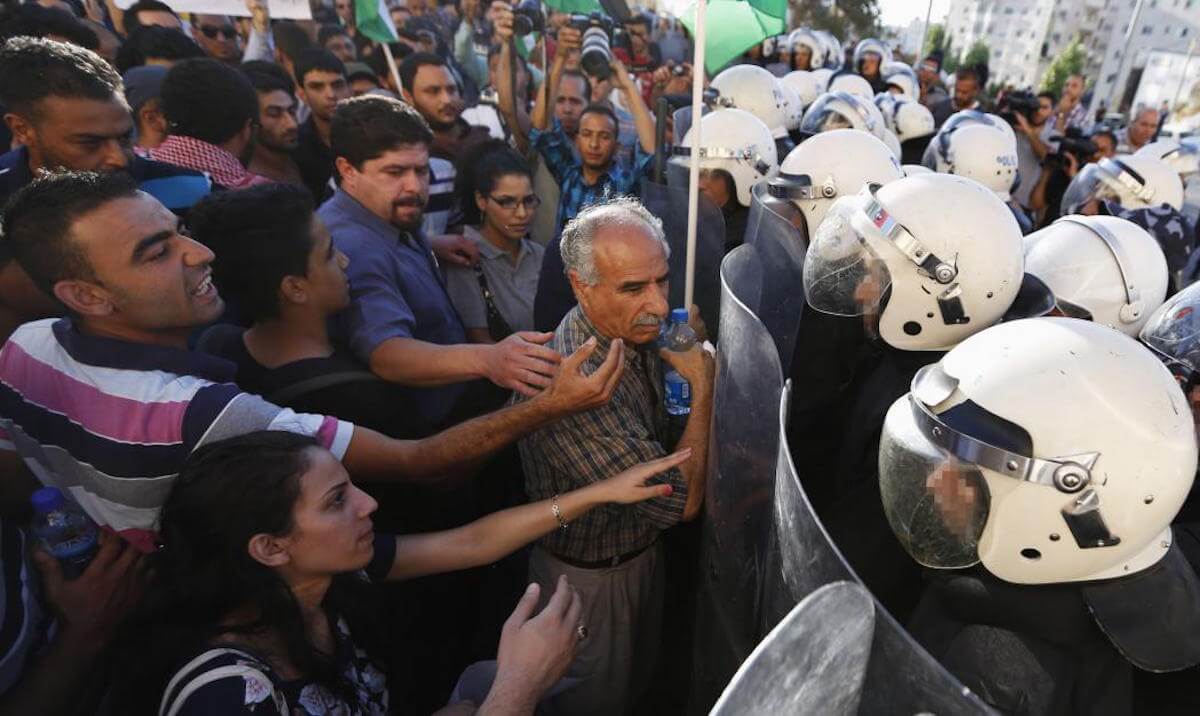
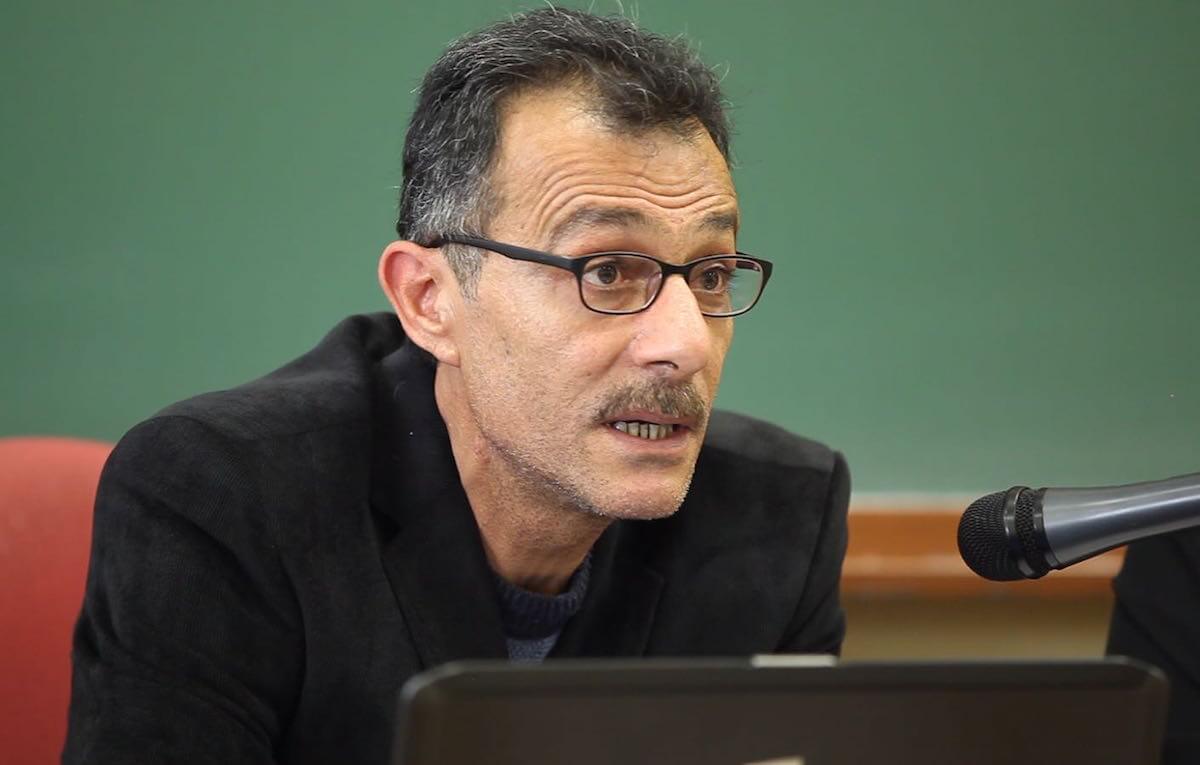
Haider Eid says the rise of the BDS movement, the eruption of the Great March of Return, and the outpouring of demonstrations against Israel are in complete contradiction to the Palestinian leadership who still hold up the Oslo peace process and the two state solution at Palestinian’s ultimate goal. Eid says there is a strong need for an alternative program that makes the De-Osloization of Palestine its first priority.
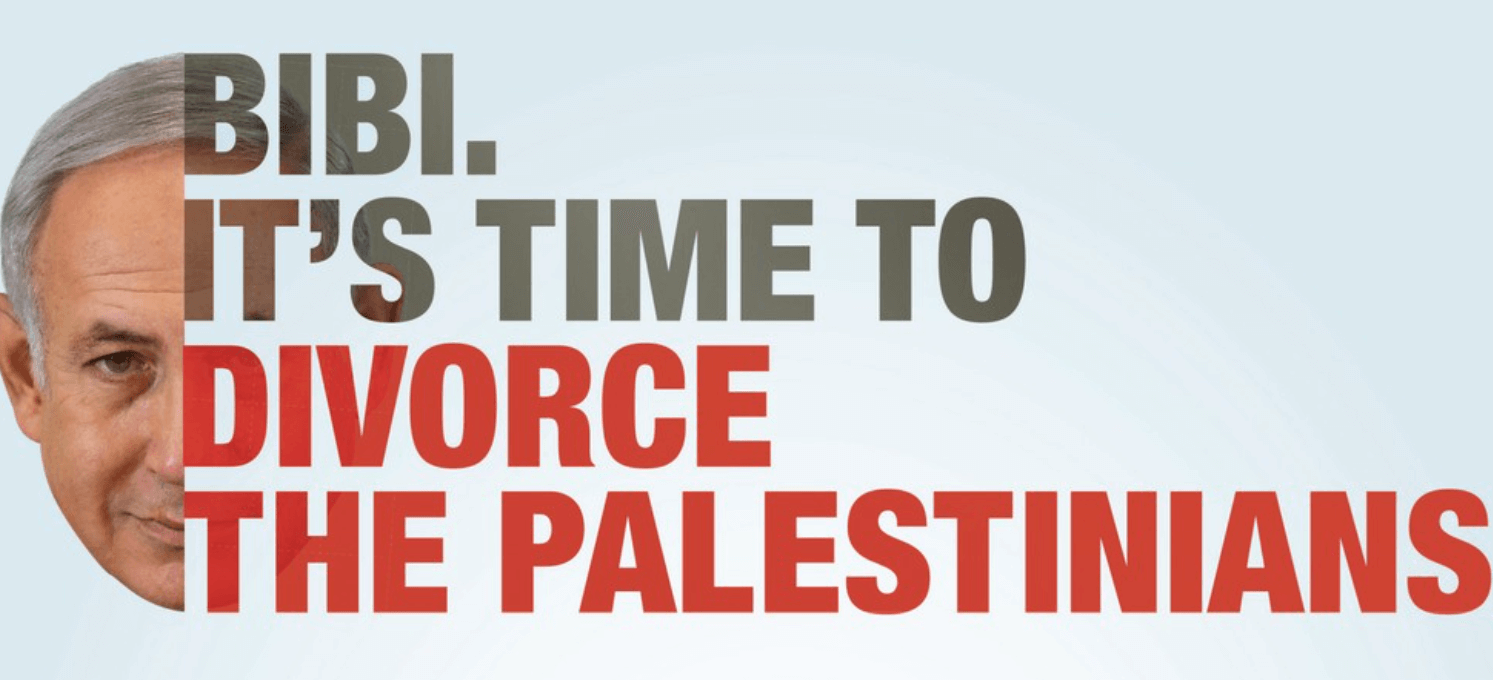
The liberal-Zionist organization Commanders for Israel’s Security has a new campaign calling on Israel to “divorce” the Palestinians, as a response to growing calls from the right to annex parts of the West Bank. Jonathan Ofir writes that the struggles between right and left Zionism have always historically been not about a Palestinian state alongside Israel, but about the speed at which Israeli expansionism needs to happen. While the Commanders for Israel’s Security are warning about the dire consequences of annexation, Israel is engaged in ongoing slow-motion ethnic cleansing that the group approves of, and is accomplishing similar goals.
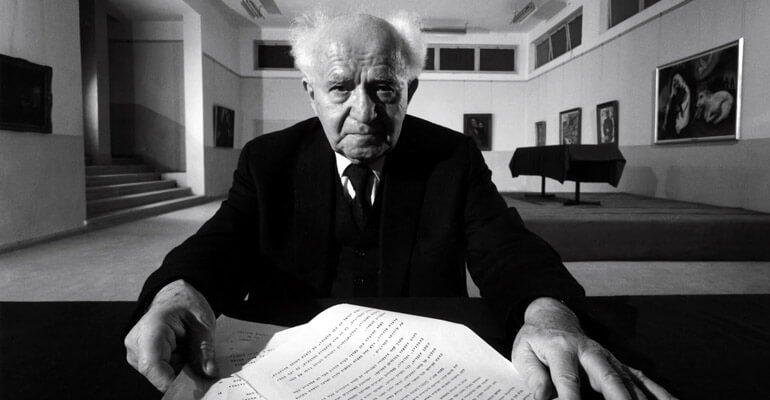
CNN commentator Marc Lamont Hill was fired last week after he advocated Palestinian rights “from the river to the sea”. Of course that has been Israeli policy from the days of Ben-Gurion, in defiance of the indigenous population, and no one advocating Israeli sovereignty in those boundaries ever loses their job, Jonathan Ofir explains.
The Great Return March, which began on March 30th, was an attempt across a broad spectrum of Gazan society to mount a peaceful action that world could not help but recognize as such. After 6 months, the March has largely dropped from the headlines, even though the death toll continues to climb. But the March has nevertheless continued and some of the seeds it has planted are already bearing fruit.
Many people are convinced that a ‘two state solution’ is a reasonable compromise that would bring peace to Israel-Palestine. But considering Zionist aims and history, partition really just means more colonization of Palestine.
Both Palestinian President Mahmoud Abbas and Israeli prime Minister Benjamin Netanyahu addressed the 73rd session of the UN General Assembly on Thursday in New York. While Netanyahu spent most of his speech boasting of Israel’s raid on an alleged secret Iranian nuclear facility, railing into the Obama-administration’s Iran deal, and criticizing Iran’s influence in Syria and Lebanon, Abbas presented a lackluster criticism of Israel, the Trump administration, and the international community.
Nidal al-Azza, 50, is a Palestinian activist and leading advocate for Palestinian residency and refugee rights. Al-Azza sat down with Mondoweiss to discuss the current US foreign policy in Israel and Palestine, and the effects of Trump’s political decisions on the Palestinian people, Palestinian leadership, and the future of the Palestinian cause.
Palestinian author Reja-e Busailah says he loves the United States although he has witnessed Islamophobia here for 60 years, going back to an ad on a NY radio station, “Give a dollar and kill an Arab.” At 89, retired in Indiana, he reflects on the Nakba that deprived him of his home, and on what terms he would return to the land of his birth. Spoiler alert: Equality.