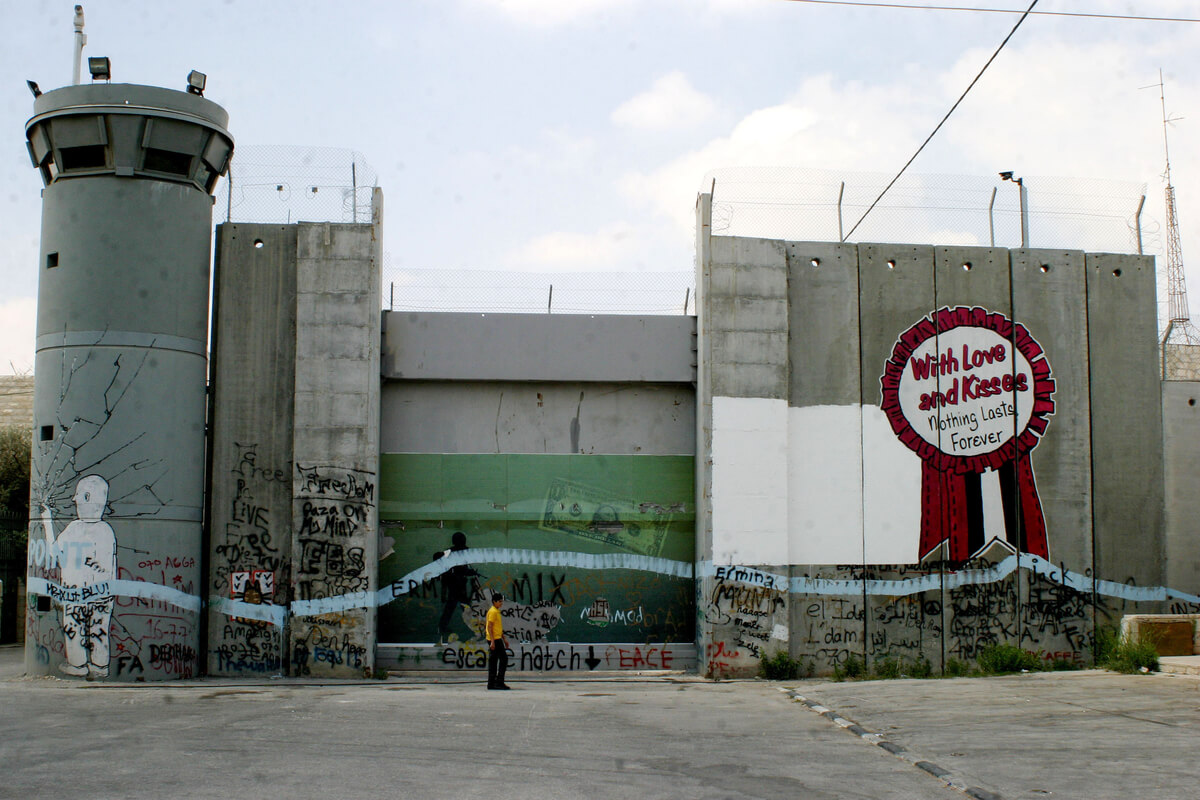
In depicting the agony and pain of his Jewish and Palestinian subjects in his novel, Colum McCann does not appoint himself as judge or arbiter; rather, he is quite clear that the deaths of Abir and Smadar, and the ensuing agonies of their parents, are products of colonialism. In the colonial unreality that is Israel/Palestine in Colum McCann’s novel “Apeirogon,” Palestinians are objects to be feared, confesses Rami Elhanan.
In his new book “The Hundred-Years’ War on Palestine,” historian Rashid Khalidi takes off the academic gloves and breaks the spell of the Zionist nationalist dream by relating his own legendary family’s long resistance to colonialism in Palestine.
Ronit Lentin’s recent book “Traces of Racial Exception – Racializing Israeli Settler Colonialism”, demonstrates the importance and centrality of race in the Palestine-Israel context, an issue downplayed by Israel-apologists. Because veiling that racism in the eyes of the world is essential to maintaining the colonialist project.
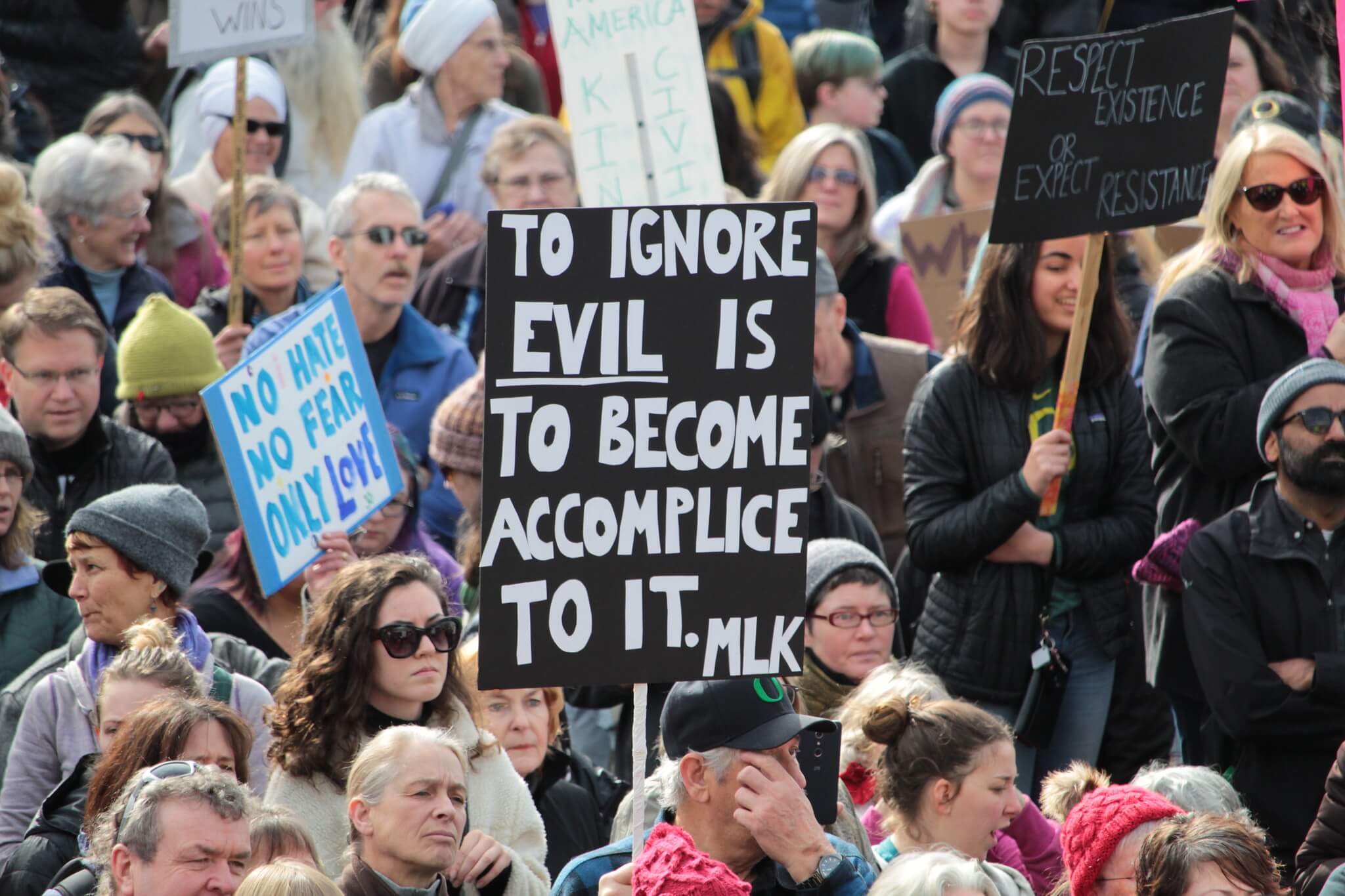
Following July 4th, Nada Elia, “So, on this colonial independence day, I for one recommitted to remember that a lesser evil is still evil, and that consenting to evil, any evil, anywhere, is what results in Trump and Netanyahu ordering tanks in the streets and children in cages.”
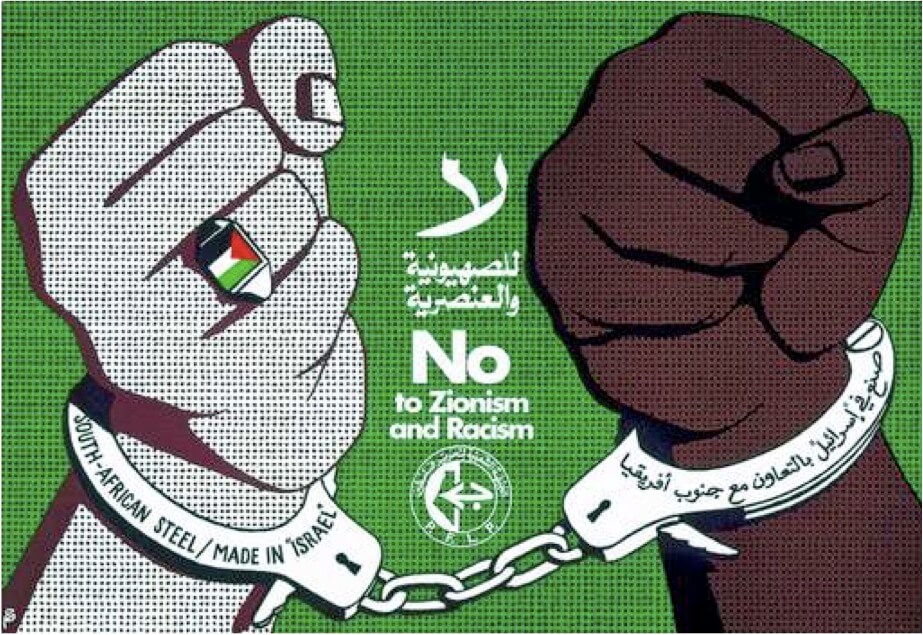
Activists Eyad Kishawi, Max Ajl, and Liliana Cordova-Kaczerginski applaud Jewish Voice for Peace’s recent statement outlining its “unequivocal opposition to Zionism,” but raise a critique that it gives credence to the idea that Zionism emerged from Jewish life, and was not a colonial ideology developed to expand western imperialism in Palestine. “Anti-Zionism is not merely criticism of current Israeli policies or even the idea of a Jewish nation-state,” they write, “It is a rejection of an imperially-imposed, racist, settler-colonial state.”
Jonathan Ofir is a tourist in Portugal, contemplating how colonialism can become the past– and how it’s still a present-day reality in Israel.
We must reject the “who was here first?” argument about national rights in Palestine. Then we can focus on the real history. Our pasts intersected throughout the centuries. We must stop viewing Palestinian and Jewish histories as competing, mutually exclusive entities.
Launching his new collaborative work in East Jerusalem, esteemed Israeli historian Ilan Pappé, hopes to shift the paradigm through which we see the Israel/Palestine conflict: one of “settler-colonialism and its connection with apartheid.” In essence, the conflict is not between two competing national movements with an equal claim to the land, but between a movement of settler-colonialists and a native people.