Asmaa Yassin wonders why Palestinian aspirations for freedom are not treated the same way as Ukrainian resistance to Russia by the international media. “It appears what really matters is the sides in the conflict: who is involved and with whom, rather than for what and why,” she writes. “The world’s attention is now vividly focused on the Russian invasion of Ukraine, and I am watching the news in Gaza speechless, boiling with rage.”
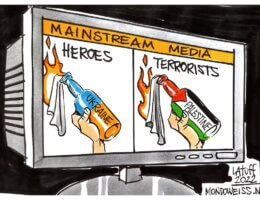
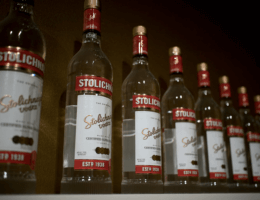
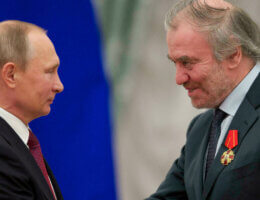
Witnessing a wave of public calls for action, western governments and institutions have enacted sweeping boycotts and cancellations of Russian artists and Russian products over the Russian invasion of the Ukraine. But for many years the Palestinian BDS call has been rejected by European governments and U.S. states despite public support and the reports of human rights groups. If supermarkets removed Israeli products and theaters canceled performances by those who vocally support Israeli actions, we would hear the actions denounced as antisemitic for “singling out the Jewish state.”
The European and American media now celebrating Ukrainian civilians building Molotov cocktails is the same that condemns Palestinians for even picking up a stone to resist military occupation.
House Majority Leader Steny Hoyer tweets about the Ukraine while a photo shows him to be in Israel on the tab of the Israel lobby group AIPAC. Bill Keating is Chair of the House Foreign Affairs Subcommittee on Europe, so he’s been tweeting a lot about Ukraine, but not a word about being in Israel on the AIPAC trip. Other Reps also seem bashful about the junket, including Kathleen Rice who gave AIPAC a video testimonial from the occupied Golan Heights.
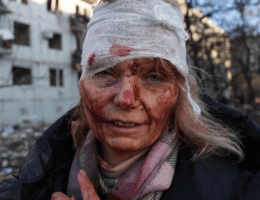
We, Palestinians, know the feelings of those who stand helpless today in the face of missiles in Kyiv, Kharkiv, and all the cities of Ukraine.
This newsletter is usually devoted to how Israel and Palestine intersect with U.S. policy, but it feels like a mistake if we don’t begin with the horrible situation in Ukraine. I’ve
Roman Levin, 19, is the latest Israeli soldier to be imprisoned for refusing to continue serving in the military after on moral objections to the occupation: “I heard soldiers talk about how they raid villages at night to detain suspects. It grieves me to see how the Jews, in the past one of the most oppressed peoples, now occupy another people.”