Ma’an reports: Israeli forces Thursday shot and killed a Palestinian near the Beit Einun junction northeast of the occupied West Bank city of Hebron after an alleged stab attempt, witnesses and Israel’s army said. Witnesses told Ma‘an that Israeli military forces prevented Palestinian Red Crescent medics from accessing the shot Palestinian for medical treatment. The man was identified by his father who arrived at the scene following his death as Muayyad Awni Jabbarin, 20 from the West Bank town of Sa‘ir. The night before, Israeli Border Police at the Beit Einun junction opened fire on a Palestinian driver they described as “suspicious” before afterward detaining him. The junction near Hebron city has been site to at least four Palestinian deaths this month, among over 150 Palestinians to be killed since violence increased in the occupied Palestinian territory in October.
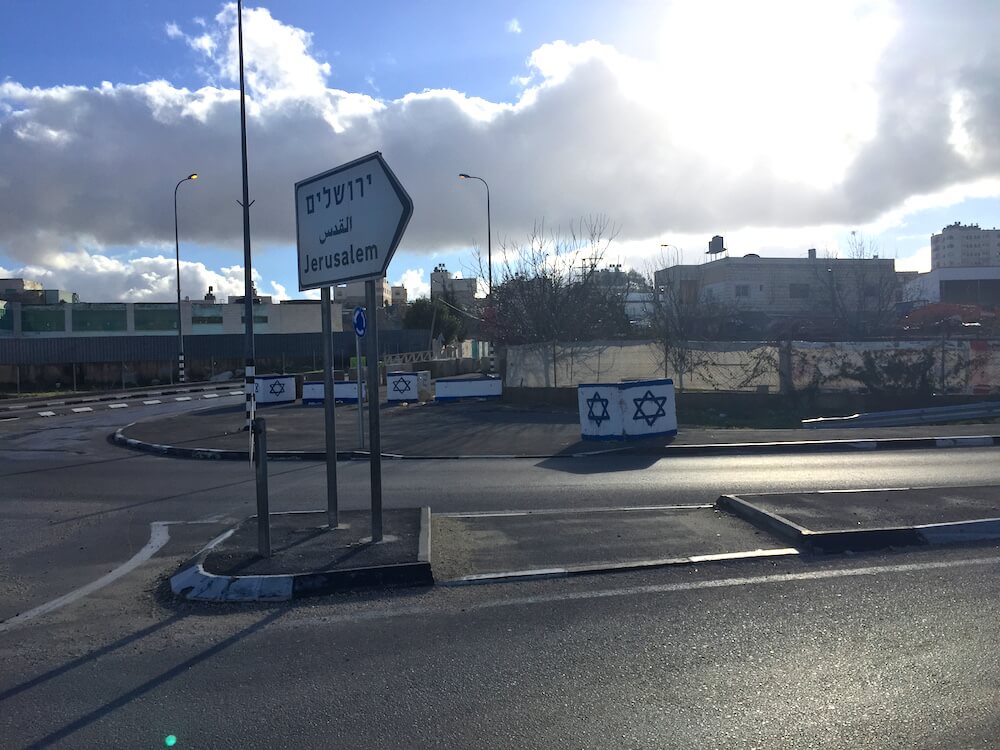
Megan Hanna reports from Hebron, where the neighborhood of Tel Rumeida is one of the most contested residential areas in the West Bank, including a Palestinian neighbourhood and an Israeli settlement within its boundaries. Since November, Tel Rumeida was declared a closed military zone, effectively ghettoizing the district. But Tel Rumeida’s problems long-precede the current spate of violence. An archaeological site, which dates back to the middle Bronze Age, has been the focus of a battle between settlers of the area, the Palestinian municipality of Hebron and numerous rights groups – notably Emek Shevah, an organization of archaeologists who focus on the role and misuse of archaeology in the Israel-Palestine crisis.
The Methodist decision to withdraw their investments from five major Israeli banks for their enablement – and profiteering – from the occupation of Palestinians is telling. Not only do they call out Israel for its transgressions, they add it to a list of “high-risk” areas that “demonstrate a prolonged and systematic pattern of human rights abuses.” It is the nations of the world they place Israel among that’s most explosive.
The Palestinian artist, curator, and poet Ashraf Fayadh, 35, has been sentenced to death by beheading. Saudi Arabian authorities have declared his crime as “apostasy,” or abandoning one’s religion—in this case, renouncing Islam. Several other charges were also leveled against Fayadh, including allegedly photographing women and storing their pictures on his phone, a violation of the country’s Anti-Cyber Crime Law. He pleaded his innocence to all the charges. Amnesty International UK states that, “Throughout this whole process, Ashraf was denied access to a lawyer—a clear violation of international human rights law, as well as Saudi Arabia’s national laws.”
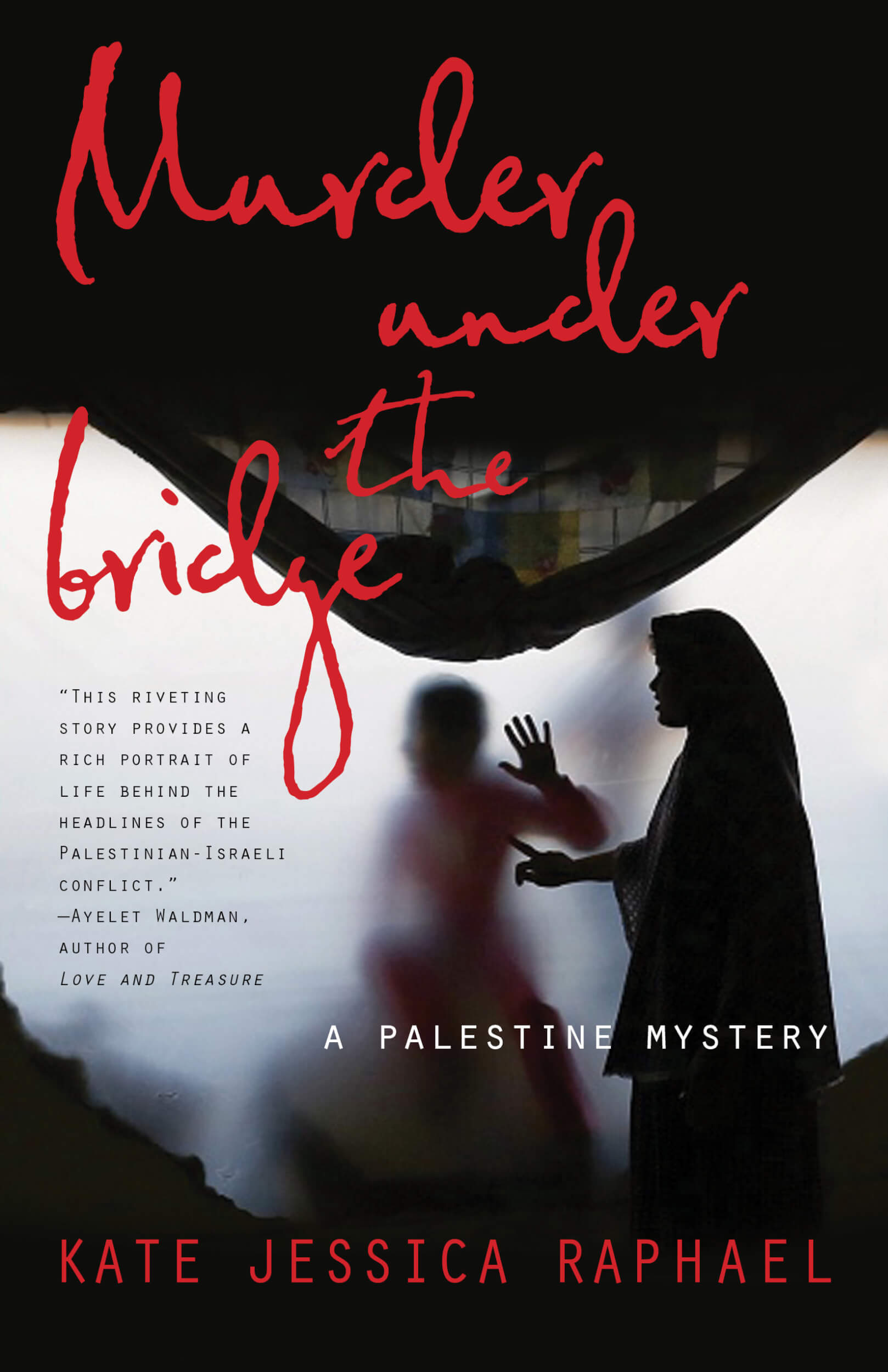
In “Murder Under the Bridge: A Palestine Mystery”, longtime Palestine solidarity activist and first-time novelist Kate Raphael uses the familiar form of a murder mystery to bring readers into intimate contact with daily life in the West Bank. It’s an absorbing account of two very real and complicated women as they work their way into both the discovery of the killer and a friendship with each other.
Evan W. Sandlin responds to Ben Norton’s post “Why are American pro-Palestinian voices silent about the brutal war in Yemen” and says, “The reasons for relegating the plight of Yemenis to virtual obliviousness is more nuanced and more troubling than Norton makes it out to be.”
A chilling video has been published by Palestinian activists on Youtube showing Palestinians being shot while protesting near Ramallah. The video includes the voices of Hebrew speakers, purportedly an Israeli sniper and his commanding officer, where the officer is heard praising, encouraging, and congratulating the sniper.
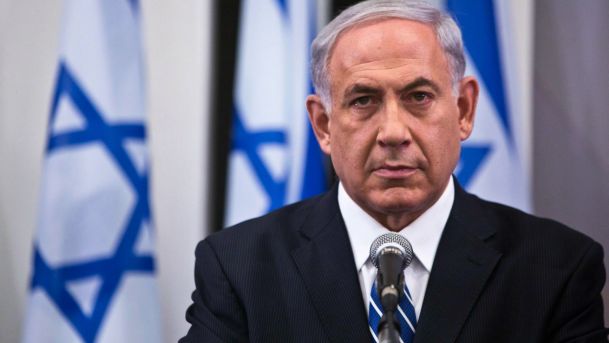
Benjamin Netanyahu has angered one president after another, Frontline showed in a documentary Netanyahu at War last week. But there are never any consequences.
In the first such step by a major church group, the $20-billion Pension and Health Benefits Fund of the United Methodist Church has declared the five largest Israeli banks off limits for investment and has divested from the two that it held in its portfolios.