At their press conference today at the White House Donald Trump and Benjamin Netanyahu laid out a vision for a peace deal between Arab countries and Israel that supersedes the Israel-Palestine conflict. John Kerry dismissed this as a fantasy: “There will be no advance and separate peace with the Arab world without the Palestinian process and Palestinian peace. Everybody needs to understand that. That is a hard reality.”
Russia surely interfered in U.S. politics and may have affected last year’s election; and that scandal could bring Trump down. But Israel interferes in our politics all the time, with a negative effect; and it’s never a scandal.
Almost immediately upon getting elected, Donald Trump declared his desire “to do…the deal that can’t be made.” The new administration’s foreign policy is still unsettled, but Trump’s early statements, absence of statements, and Middle East appointments seem to be at odds with his expressed desire to be the president who finally closes “the ultimate deal.”
Hundreds of Palestinians gathered at the Rafah border crossing between Gaza and Egypt over the weekend, waiting for their turn to be let through the checkpoint. The three-day opening allowed medical patients, students, and travelers with foreign passports to cross. With huge numbers of Palestinians desperate to leave Gaza, travelers typically pay an exorbitant amount of money to local brokers who coordinate their passage with Egyptian authorities. It’s been reported previously that Egyptian authorities ask for bribes of up to $10,000. Mondoweiss spoke with some hopeful travelers about their experience trying to get across the border from Gaza to Egypt while they waited in line.
The Republican Jewish Coalition and J Street are at odds over nomination of David Friedman as ambassador to Israel. With Senate hearing on Thursday, Holocaust scholars publish letter vehemently opposing Friedman’s use of the word “kapos” to describe liberal Zionists.
Netanyahu said that the relationship between the US and Israel is about to become “even stronger” when he meets Trump on Feb. 15, but Trump has already warned him about increasing settlements
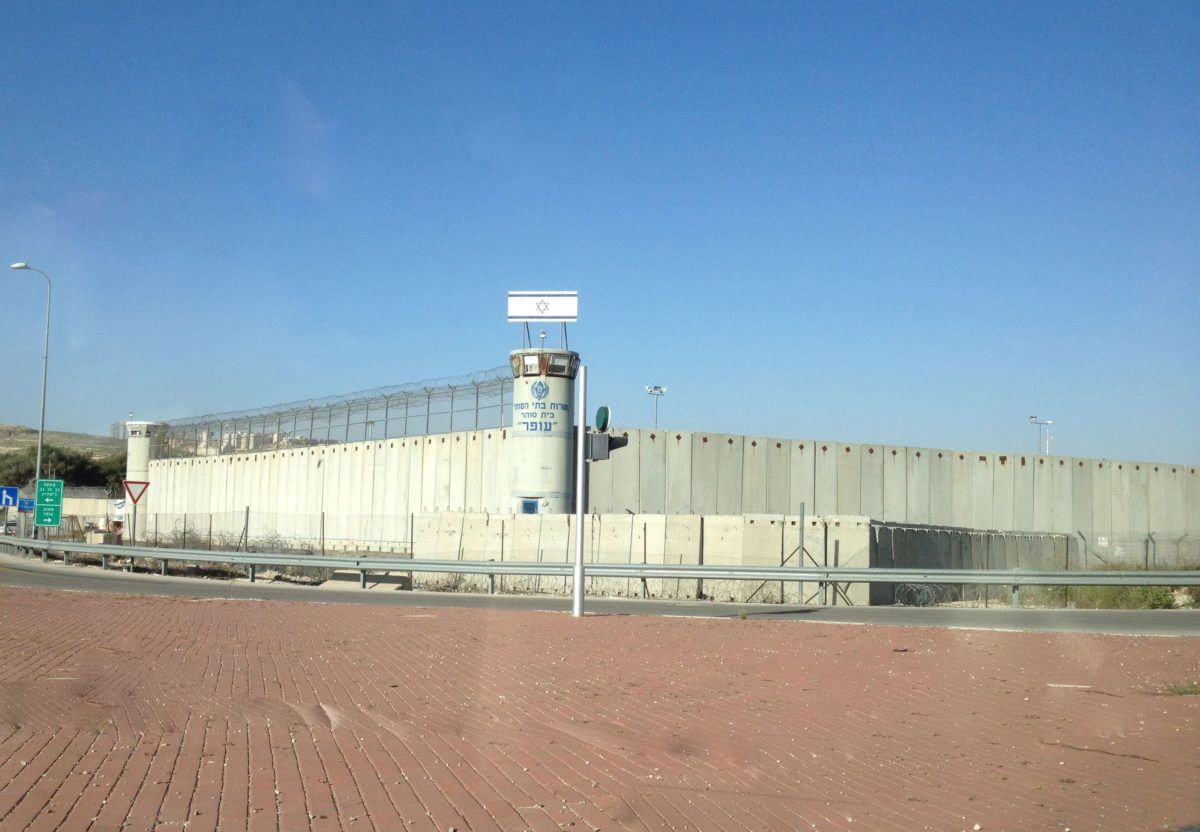
Israel’s prison service is denying medical treatment to 15-year old Palestinian from the West Bank town of Beitunia who has leukemia and other medical complications relating to a recent stroke and was detained by the Israeli authorities for unknown reasons, say lawyers’ representing the child.
Despite considerable evidence to the contrary, the myth that sports and politics do not mix endures. There is a long history of repressive regimes using sports as a vehicle for normalization, just as there is a parallel history of activists using sports as a venue for political protest. Nowhere has this been more obvious than in the global campaign against Apartheid South Africa. Recently, sports have begun to play a small but steadily increasing role in the Palestinian-led Boycott, Divestment and Sanctions (BDS) movement that targets Israel for its ongoing violations of international law and Palestinian human rights.
Israeli academic Yehouda Shenhav reflects on his latest book, a translation of Arabic literature into Hebrew, in hopes of exposes Israelis to the culture of Palestinians and Arabs, after politics, academic research, and non-fiction has failed to do so.
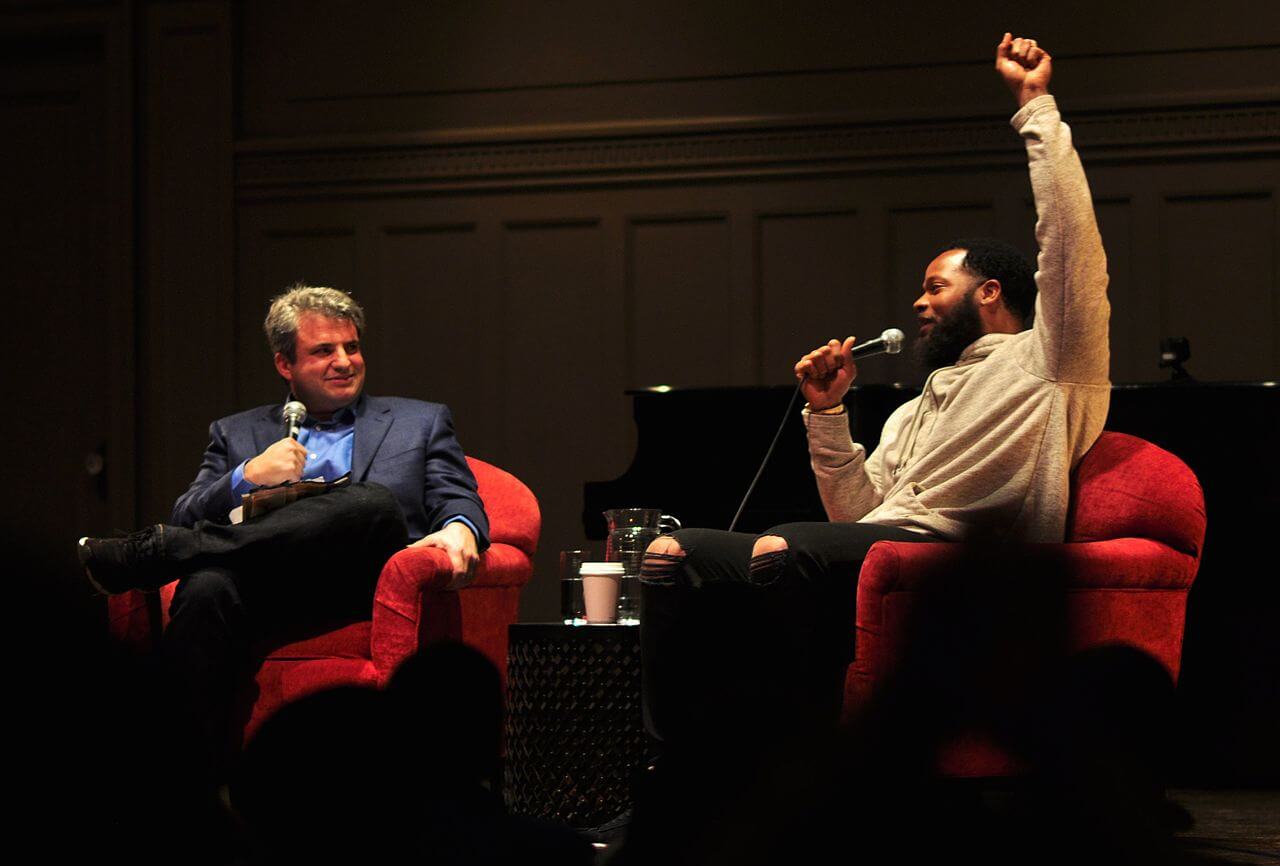
Seattle Seahawks defensive end Michael Bennett created ripples in the sports world when he publicly tweeted he was no longer going on a Post-Super Bowl trip to Israel. In a world where privileged football sports figures make vacuous and cowardly statements about politics, Bennett has been a voice of intelligence and compassion. His most recent public comments have cemented his unwavering commitment to understanding the roots of injustice — despite the attempts by Israeli organizations to gloss over the oppression of Palestinians.