Archive

February 2017

Browsing

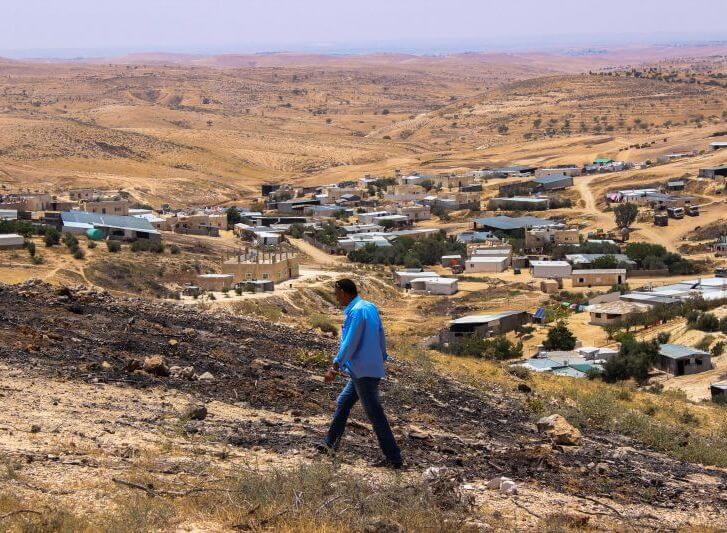
The 100-year old father of Yacoub Abu al-Qee‘an [or al-Qi‘an] died Thursday morning after succumbing to shock over the death of his son, who was killed by Israeli police while defending his village of Umm al-Hiran from eviction. Israeli authorities are in the process of razing and expelling the Palestinian-Bedouin residents of Umm al-Hiran, in order to establish a Jewish-Israeli community in the same location.

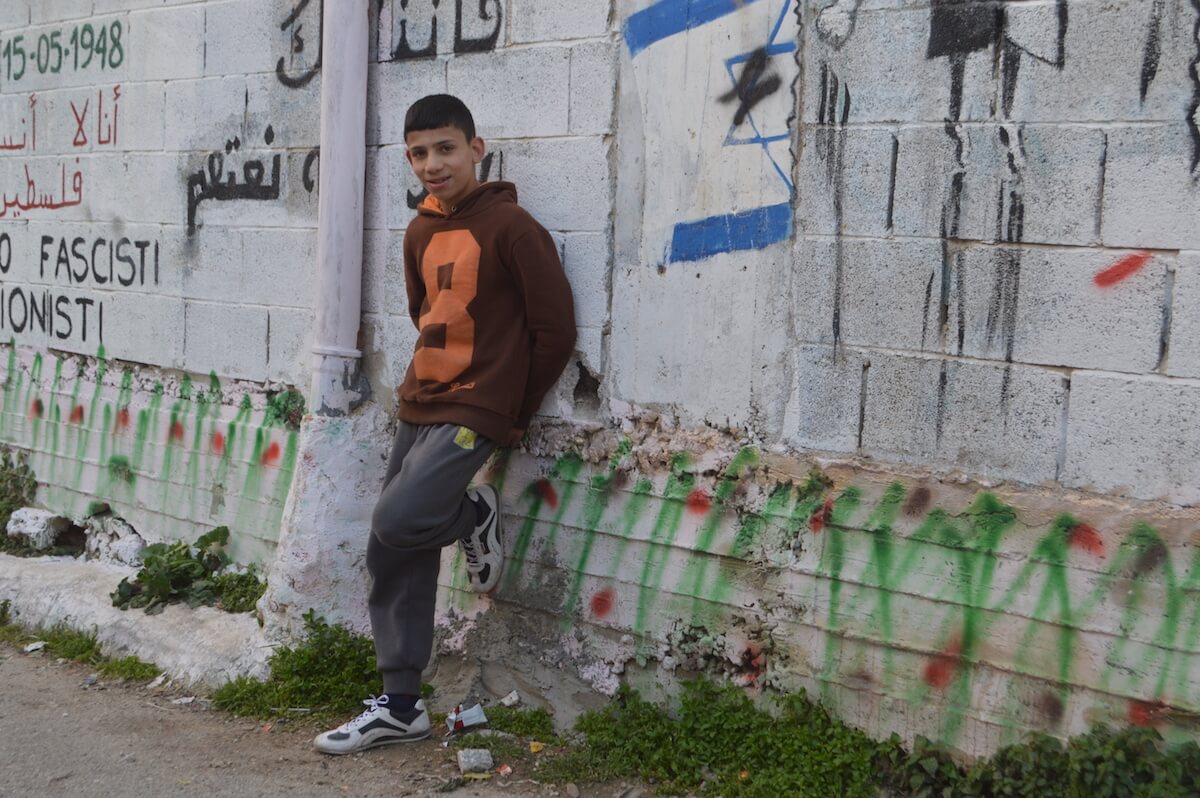
Israeli forces stormed Aida refugee camp on Wednesday, arresting Ali Jawarish, a 14-year-old disabled Palestinian boy, who as of today is still being held in Israeli detention. The arrest was caught on video by youth from the camp, and depicts Israeli forces tearing off the boy’s shirt, and violently throwing him into the back of a military jeep. Jawarish was supposed to have a court hearing on Friday, but Israeli authorities told his family that the hearing had been postponed to an unscheduled date. “It’s not right what happens here to children, there needs to be a way to stop these kinds of crimes committed by the occupation,” says Jawarish’s cousin, Rana Musafana. “They are only children — Ali is a child, he needs to have a childhood — all the children should be able to have a childhood.”

In the latest instance of Israel’s demolition campaign in the Negev region of southern Israel, homes were demolished in two unrecognized Bedouin villages on Wednesday, while Israeli police surrounded the village of Umm al-Hiran. Among those left homeless, a 100-year old Palestinian woman and her 60-year old daughter, both of whom are unable to walk due to health issues.

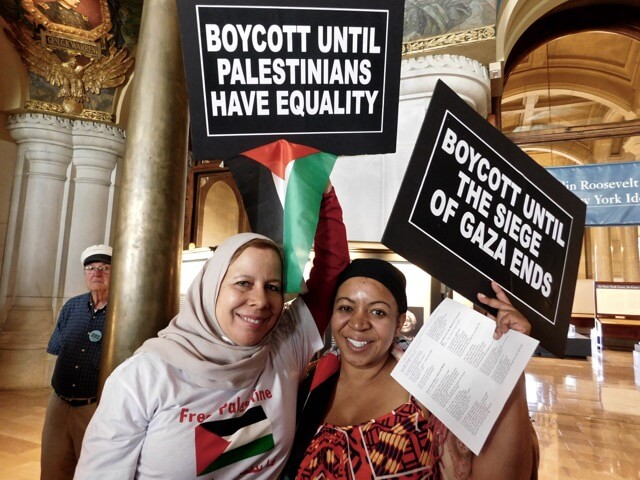
From the grassroots to the upper levels of government, the national conversation today reflects a new development in the U.S. where resistance is widespread, diverse, and aboveground. As we march and strike to denounce this country’s multiple wrongs now is the time for an intentional revisiting of how we can organize to win. Nada Elia says the leadership of this new movement are the perfect leaders for this moment, “The leaders of national and transnational resistance movements are mostly young, overwhelmingly gender non-conforming women of color, with a critical understanding of violence encompassing intimate as well as institutional, state-sanctioned violence. It’s a leadership grounded in an experiential understanding of intersectionality.”