How do you engage people with the Palestinian struggle for freedom, when you’re faced with the slickest and most well-funded propaganda machine the world has ever known? Rory Evans writes a trendy new hotel in Bethlehem created by the graffiti artist Banksy has opened to the public in an effort to breathe new life into the fight for Palestinian justice.
The media has embraced Team Israel’s unlikely success at the World Baseball Classic, referring to the team as a “Cinderella” story, “David and Goliath,” and a “fairy-tale.” In this “softball” coverage, Israel—home to the most powerful military in the Middle East and a cruel system of apartheid directed at the Palestinian people—gets to be the plucky, lovable underdog. Writing in the Forward, David Hazony argues “Team Israel is very much the story of Israel itself,” but central to the story of Israel itself is also the dispossession and expulsion of hundreds of thousands of Palestinians from their lands and a decades-long occupation.
Taha Muhammad Ali is an unlikely dramatic hero. His arms shake with age and infirmity, his legs occasionally buckle, and he often appears lost on stage, as if adrift in a vast expanse of sadness. But for an hour the story of this Palestinian poet has a vice-like hold on our attention and our hearts.
The one-man show Taha receives its English-language premiere on Wednesday at the Kennedy Center for the performing arts in Washington DC. It offers not only a rare chance to learn about one of Palestine’s finest poets, but provides a visceral account of what it was like to live through the Nakba – the Catastrophe that befell hundreds of thousands of Palestinians who were expelled from their homeland in 1948.
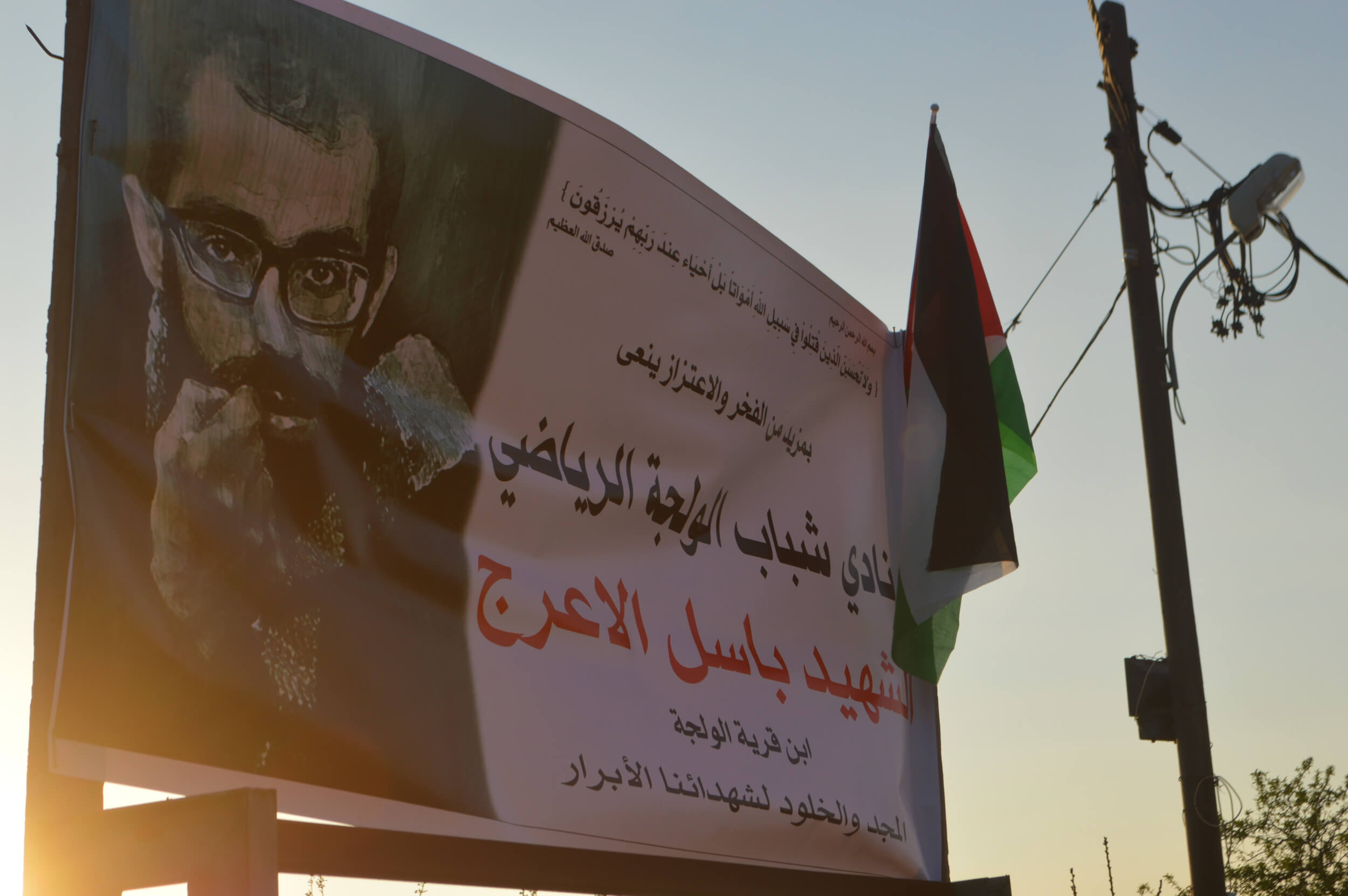
Mahmoud al-Araj, the father of slain Basil al-Araj, left his home on Sunday expecting to take part in a peaceful demonstration outside a courthouse in Ramallah where a judge officially dropped an investigation into his son. He ended up in the hospital after getting caught in the middle of a chaotic crackdown by Palestinian Authority (PA) forces wielding heavy batons, and shooting pepper spray and tear gas at Palestinians protesting the death of Basil, the imprisonment of his five friends and the court’s decision to pursue charges against them for allegedly storing illegal weapons.
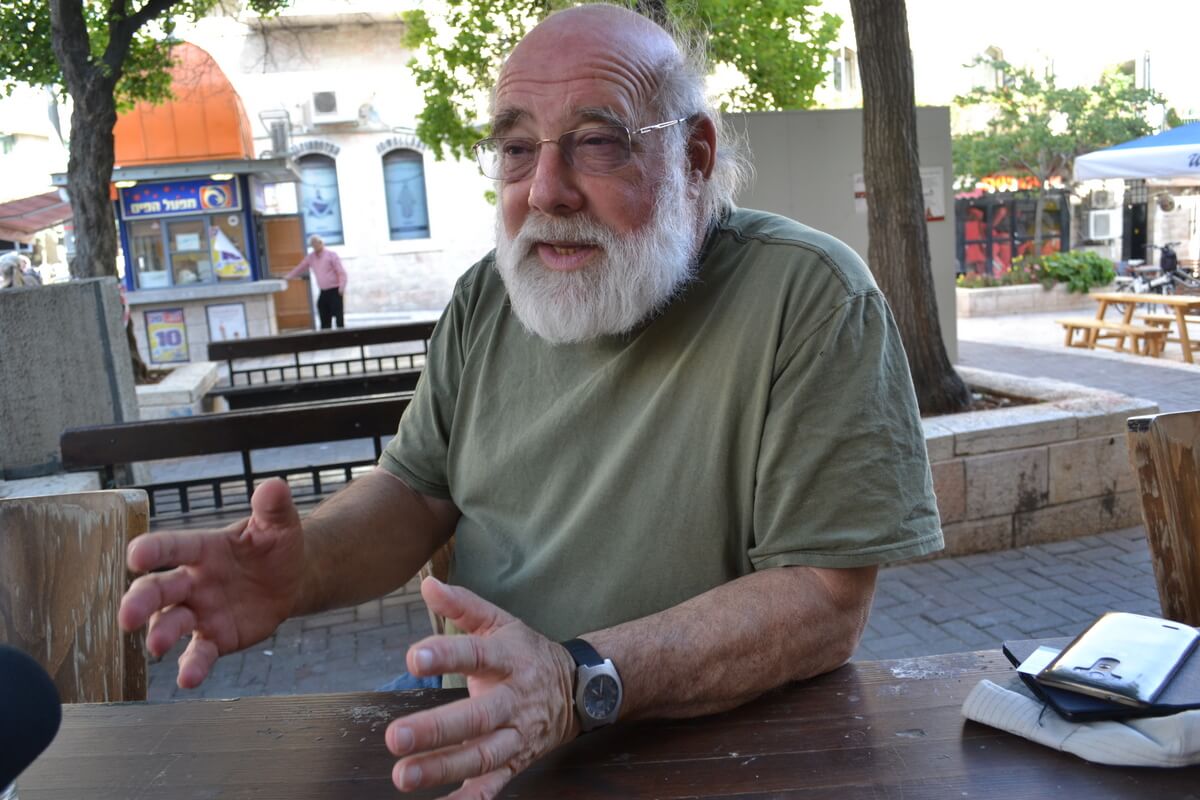
Israel seems to be cracking down on activists who support boycott. It detained Jeff Halper the human rights activist in East Jerusalem and did not allow Hugh Lanning, head of British Palestine Solidarity Committee, to enter the country.
How can the New York Times print a piece about Russia Today as propaganda on March 9 — “RT is unquestionably a case study in the complexity of modern propaganda” — and two days later publish a piece like this and keep a straight face? “Allies Fear Trump Is Eroding America’s Moral Authority.”
The Palestinian prisoner rights group Samidoun reports novelist Khalida Ghosheh was released on bail on Saturday. Still, she faces charges over her fictional book about Palestinians collaborators for Israel. Samidoun writes, Ghosheh said while in jail “the interrogators claimed that her novel poses a threat to collaborators working with the occupation, saying that the novel reflects her own experiences and aims to warn young people about ways [the Israeli authorities] may attempt to compel them to become collaborators.”
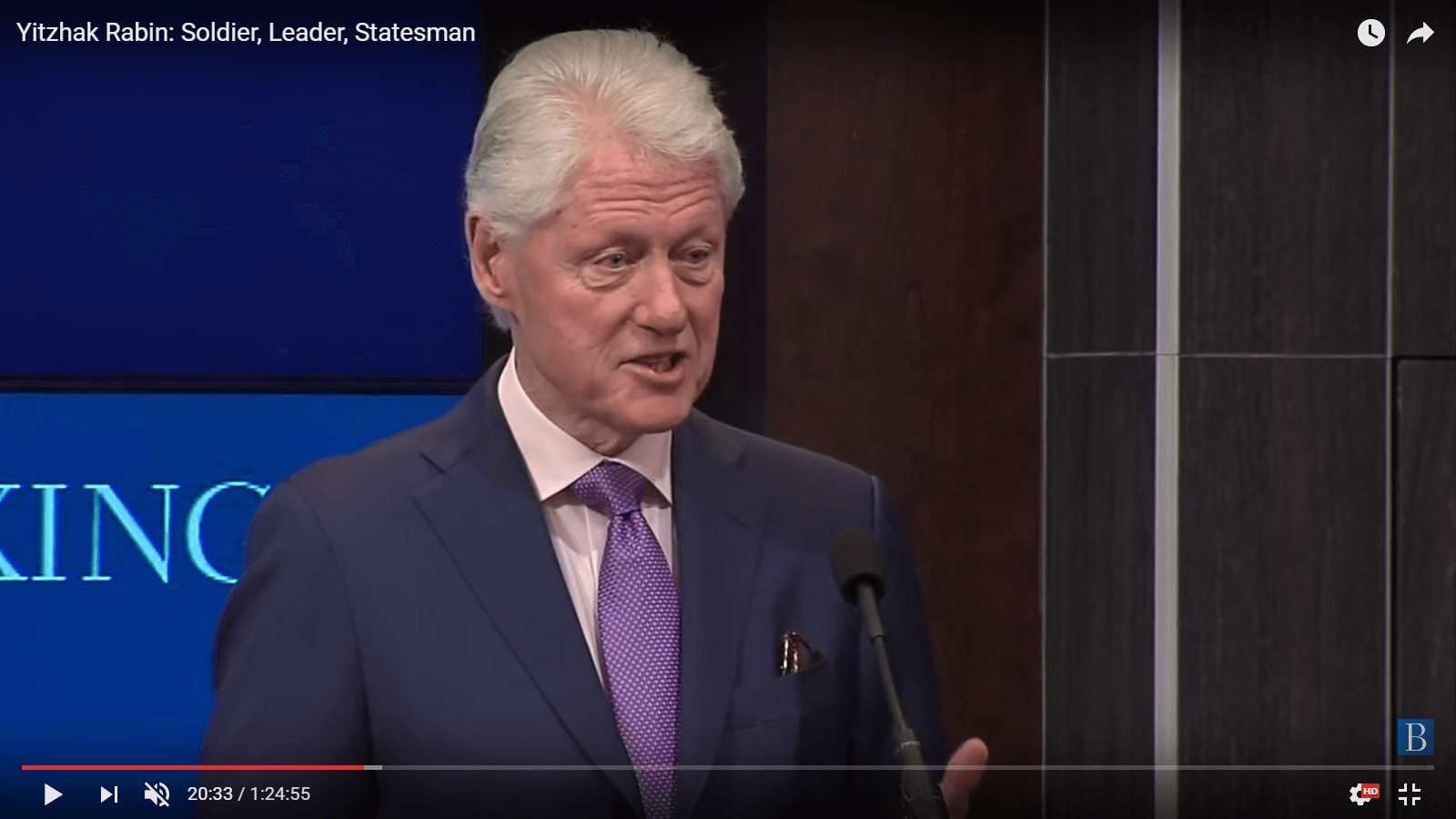
Bill Clinton deplores identity politics for creating an “us-and-them” world in which nobody wants to live “under the same set of rules.” And Yitzhak Rabin would never have divided Jerusalem, his late wife Leah believed.
Israeli boycott law portends action against Israelis “who do not support the primacy of Israel’s Jewish character over its democratic aspirations,” 182 Jewish studies scholars warn in an open letter deploring that law.