The New York Times Jerusalem correspondent David Halbfinger hit a new low yesterday with his article contending that “a new group of Arab thinkers” want to abandon the boycott of Israel.


The New York Times Jerusalem correspondent David Halbfinger hit a new low yesterday with his article contending that “a new group of Arab thinkers” want to abandon the boycott of Israel.

Alice Rothchild responds to a recent op-ed in the NYT about antisemitism within progressive spaces, “It is not possible to be a progressive, to celebrate human rights, gay rights, democracy, etc., etc., and then to have a different set of rules for Israel.”

Numerous polls suggest that support for Israel is weakening among Democratic voters. Among Democrats, sympathy for Israel is weaker than it was before Mr. Netanyahu took office in 2009. A Gallup poll from earlier this year asked voters whether they were inclined to support Israel or Palestine and found that just 43% of Democrats are partial to Israel. That’s the lowest number in 14 years. A recent Data for Progress poll found that 65% of Democratic voters support conditioning military aid to Israel in response to its human rights record. An October report from the centrist Center for American Progress ended up with an even higher number when they posed the question: 71% of Democratic voters support such a move.

Israeli Prime Minister Benjamin Netanyahu has been formally charged with bribery, fraud, and breach of trust, marking the first time in Israel’s history that a sitting prime minister has been indicted on criminal charges.

The same paper that dissects every bigoted innuendo by Donald Trump somehow loses that ability when it comes to the political leaders of Israel.

Sophia Armen responds to the passage of U.S. resolution HR 296, which recognized the Armenian Genocide, and describes the challenges Armenians face in their struggle for justice. “Our physical erasure from our homeland, is mirrored in discourse,” Armen writes.

Western media has rationalized the recent Israeli attacks on Gaza by focusing on on Israel’s fears. Denijal Jegic writes these “fears” are a reflection of the structure that underlies the relationship between the settler-colonial state and the indigenous population.
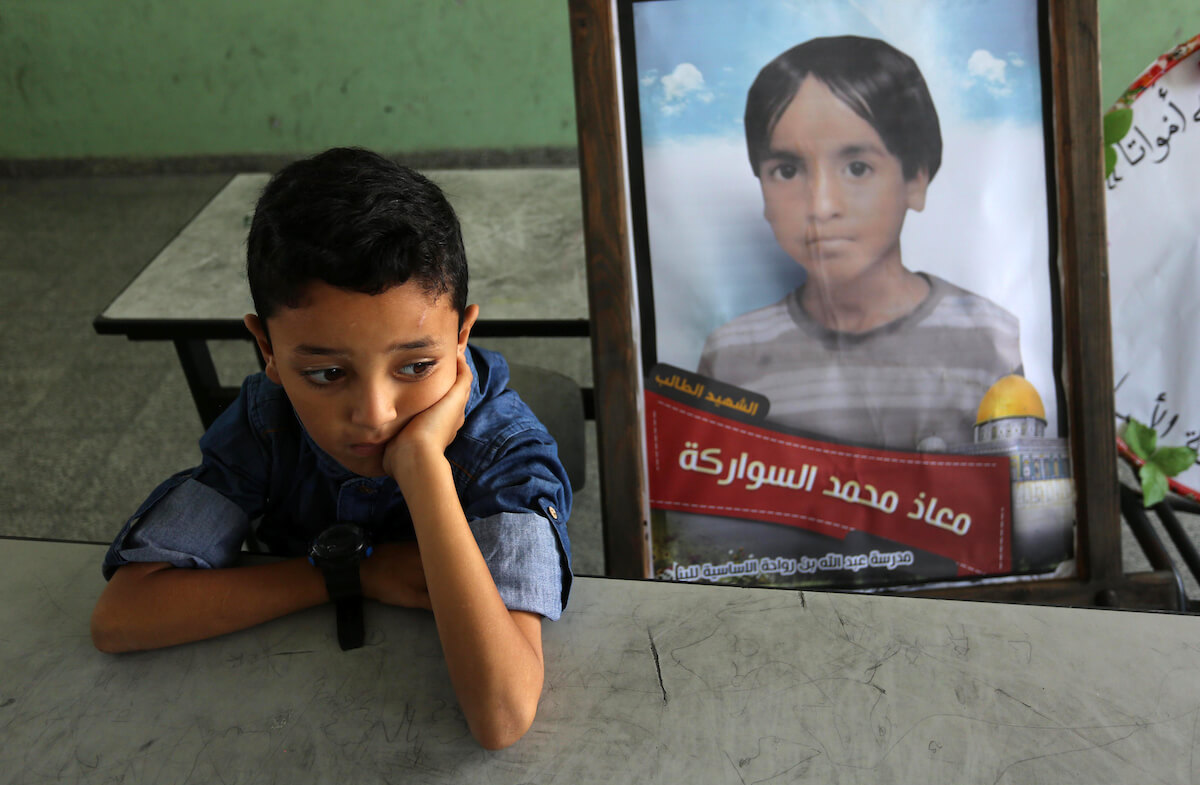
Haidar Eid writes, images of an entire family killed in an airstrike in Gaza while they slept will haunt Palestinians for generations to come. “We will tell our remaining children about this heinous massacre the same way our parents and grandparents told us about the Deir Yassin massacre.”

Gaza has always been the exception throughout history. Starting from mighty Samson, to the Intifadas, Gaza was always there, regardless of the challenges, leaving its own mark on history and reminding everyone it in no way could be bypassed.
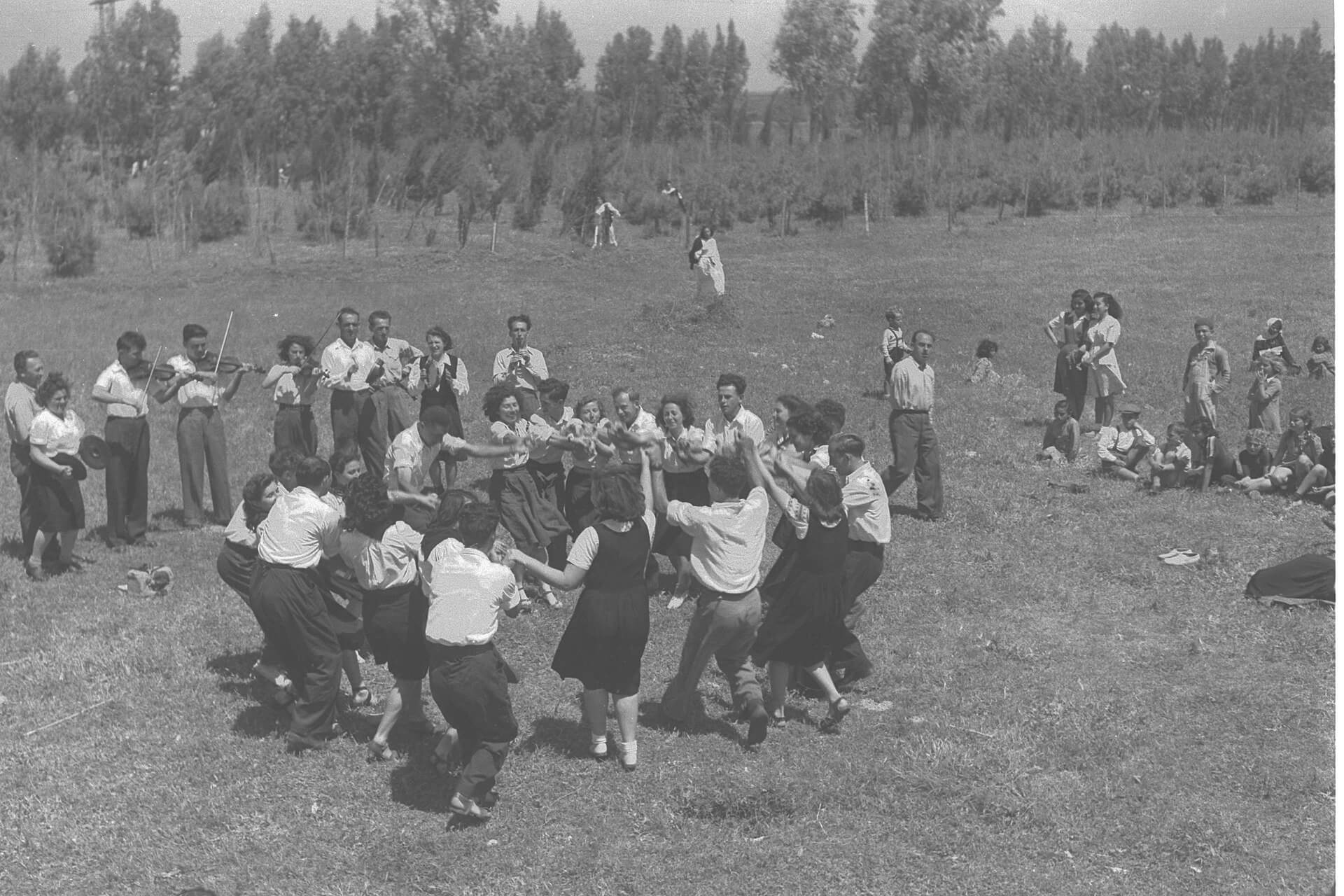
Alice Rothchild grew up with a deep love for Israel, the redemptive, out-of the-ashes, kibbutz-loving, feisty little country that could do no wrong. Yet she writes, “it is often said, if we don’t know our history, we are destined and doomed to repeat it.”