After the University of California chancellors posted an anti-BDS statement in December, Daily Californian editors solicited an op-ed response from the US Campaign for the Academic and Cultural Boycott of Israel. Editors were initially receptive to a submitted article and planned to publish it quickly, but later killed it after saying the “upper management team” found it potentially libelous. Read the op-ed article the Daily Californian would not run.

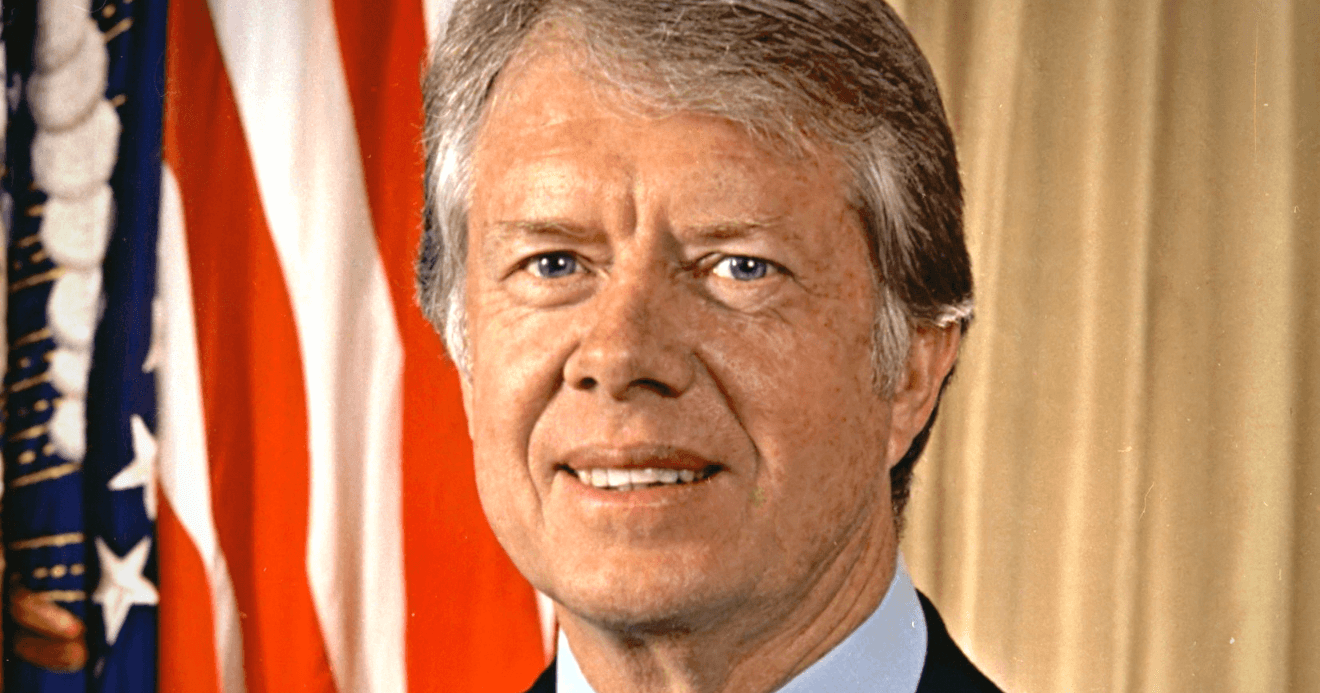
Jimmy Carter said he’d ‘commit suicide’ before he abandoned Israel, but American Jewish leaders did not trust him because of his parallel commitment to a “Palestinian homeland” and opposition to Israeli settlements, Stuart Eizenstat writes in a detailed memoir. Carter always underestimated the power of the Israel lobby. He came to believe that it helped cost him a second term, a lesson politicians have heeded ever since.
Dareen Tatour writes about her cellmate in prison, Shorouk Duyat, 21, who is held these days at Damon prison in Israel. “Shorouk Duyat is a story that I will keep telling,” Tatour writes. “I will always remember her.”
Zionism has traditionally enabled the oppression of diverse population groups globally. Denijal Jegic writes that intersectional and transnational analyses of Zionism are thus inevitable as they help disclose the crucial relationship between Israel’s various victims, dispel the myth of an alleged “Israeli-Palestinian conflict,” explain Zionism as a transnational imperialist-colonialist force, and eventually strengthen de-colonial resistance.
Israeli Prime Minister Benjamin Netanyahu announced last week that he would be expelling the Temporary International Presence in Hebron (TIPH), an international observatory task force that monitors Israeli human rights violations in the occupied West Bank city of Hebron. Other rights groups operating in the city now fear their work will be subject to further scrutiny, and settlers in the city might feel more emboldened in their attacks on Palestinian residents.
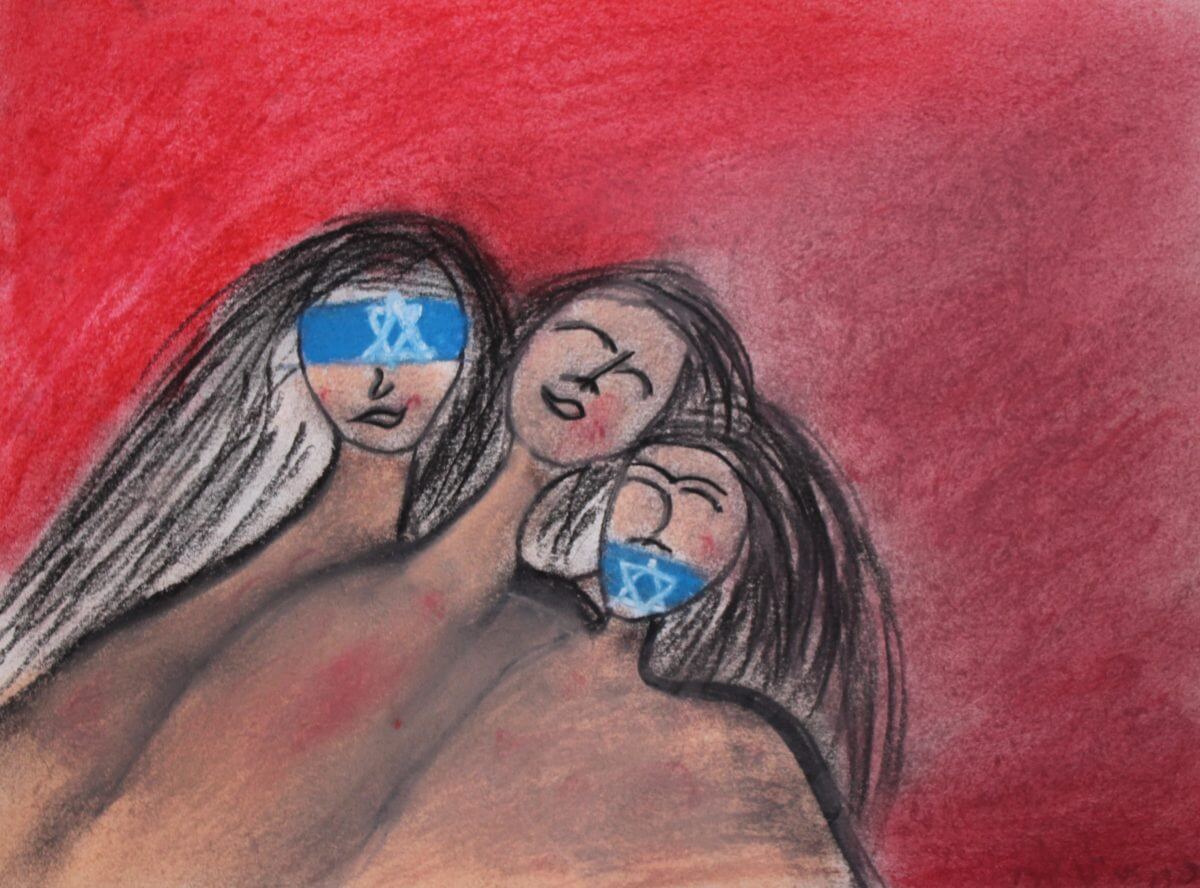
Palestinian poet Dareen Tatour shares drawings she made while in an Israeli prison after she was convicted for sharing a poem she wrote on social media, “I do not rule out that I could find myself in detention once again. This time perhaps for a drawing or a picture depicting the occupation, expressing resistance or my Palestinian identity and my home country.”
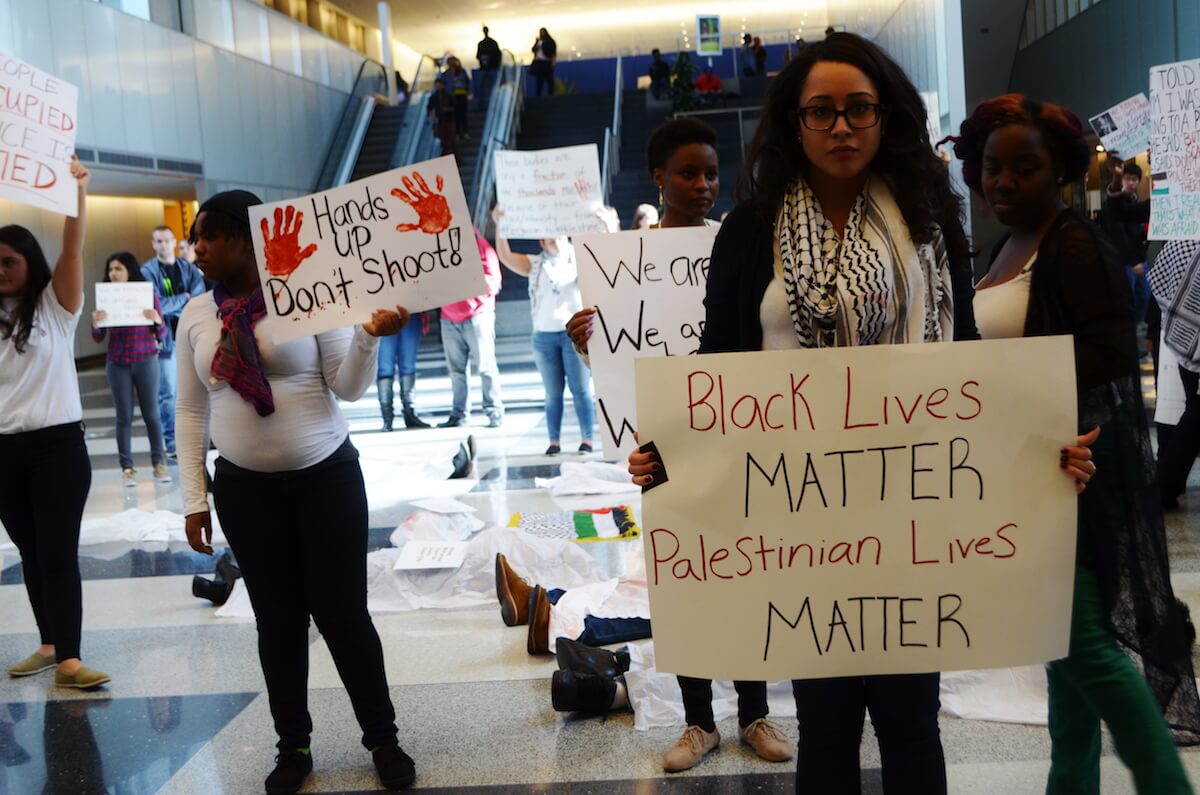
In a long-overdue defeat for the Louis D. Brandeis Center, a federal judge struck down a three-year old lawsuit against faculty members of the American Studies Association, which had voted overwhelmingly in favor of an academic boycott of Israel at its 2013 annual meeting. In a statement issued yesterday, Palestine Legal said, “this week’s court dismissal emphasizes that efforts to censor the boycott movement will fail.”
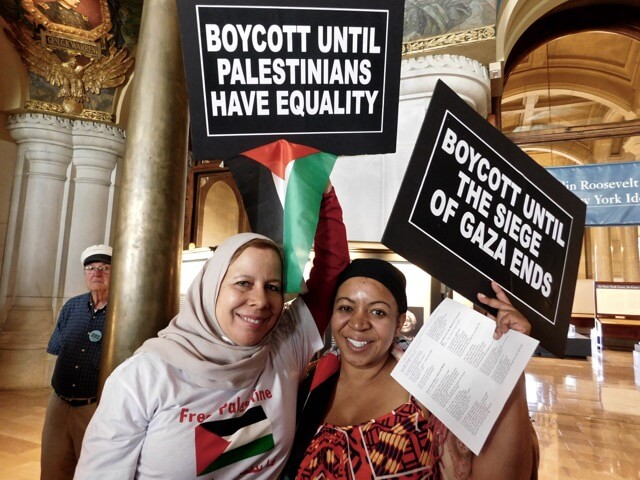
In a landmark of anti-Palestinianism, the Senate voted 77-23 to punish boycotts of Israel, though almost all Dem presidential hopefuls voted against the AIPAC-sponsored law and Republican Rand Paul said “Boycotts are fundamentally American,” and said many senators are “paranoid” about the Israel lobby.
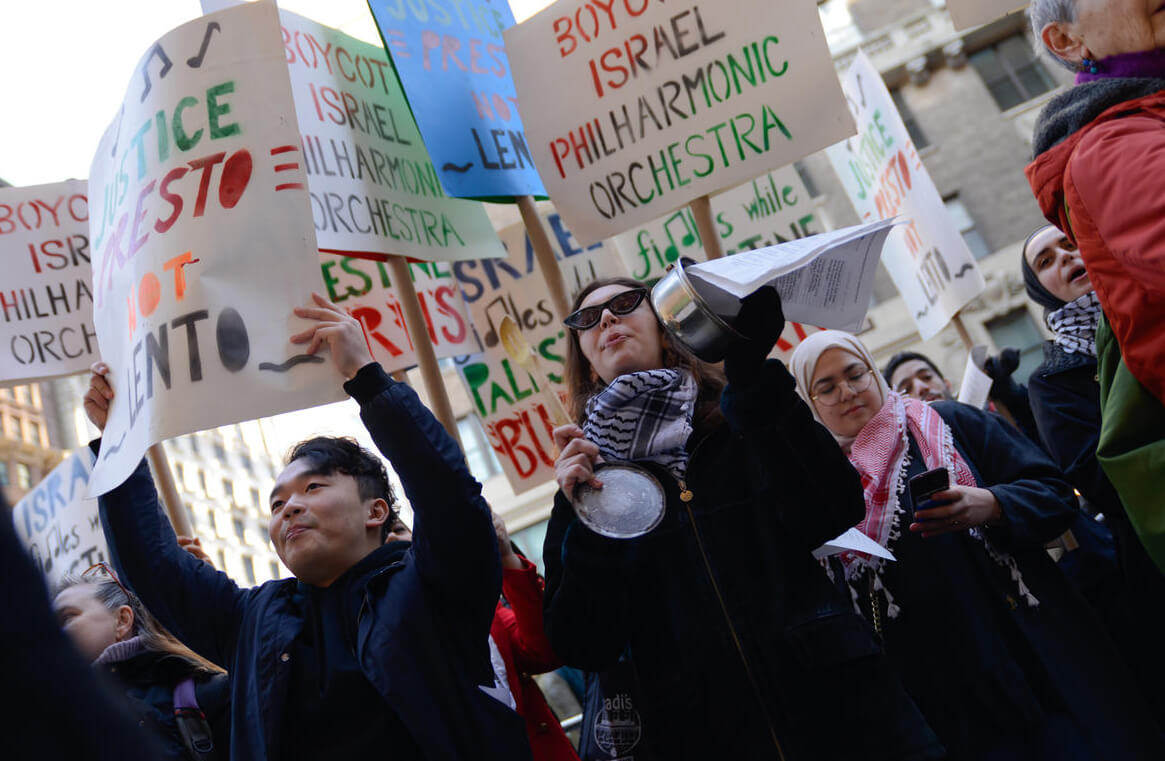
On February 3, 2019 New Yorkers demonstrated at Carnegie Hall against a fundraising brunch and performance by the Israel Philharmonic Orchestra.
Yossi Gurvitz explains what to expect from the upcoming Israeli elections, where Benjamin Netanyahu faces a challenge from Gen. Benny Gantz, but liberal parties do not stand a chance. “Gantz is right on at least one point: there is no longer left or right. The vast majority of Israeli Jews are now Jewish supremacists,” Gurvitz says. “Some embrace this supremacy eagerly, others cling to it while bemoaning cruel fate has brought them, good liberals that they are, to this low state.”