This is the latest edition of our special coverage newsletter on the COVID-19 crisis in Palestine featuring dispatches directly from our Palestine correspondent Yumna Patel on the ground in Bethlehem. This newsletter is published Tuesdays and Fridays.
After nearly 10 days of no new COVID-19 cases in the occupied West Bank, 13 new cases of the virus were reported in the southern West Bank district of Hebron.
According to the Palestinian Ministry of Health, all the new cases have been reported in the village of Beit Ula, located 10 kilometers north of Hebron city.
Officials have imposed a lockdown on the village in an attempt to contain the virus, which seems to have originated from a local man who returned home after working in Israel, according to local media reports.
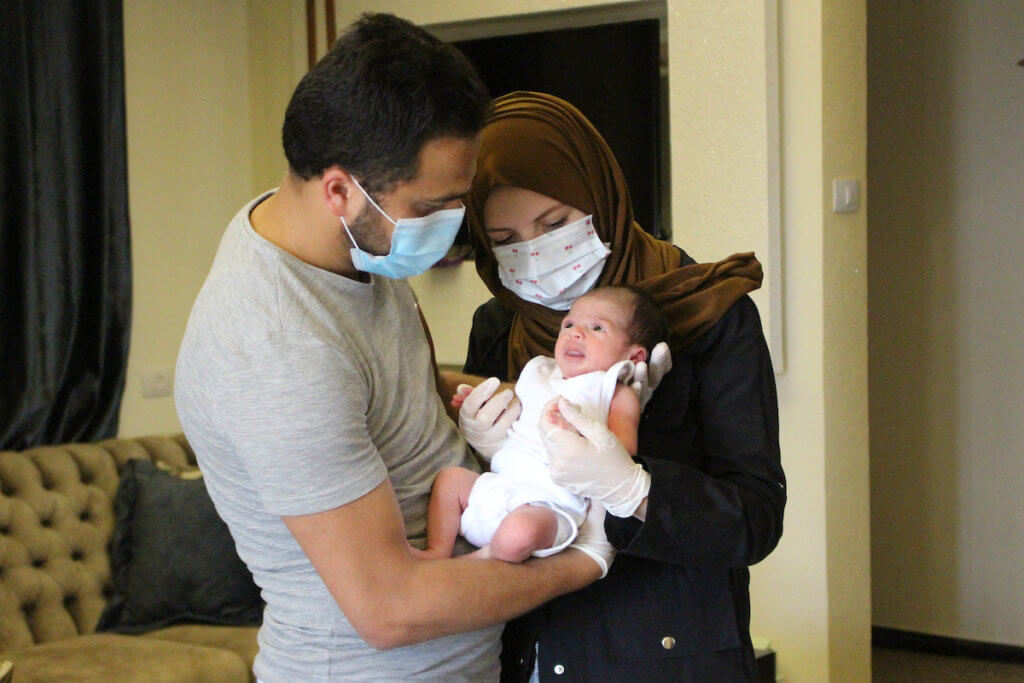
Among the 13 new COVID-19 patients is a three-month-old infant, the child of the laborer. The baby is thought to be the youngest patient affected by the virus in Palestine since the outbreak began in early March.
The situation in Beit Ula has heightened people’s fears surrounding the return of Palestinian laborers from Israel, who are expected to return in large numbers in the coming days before the Eid al-Fitr holidays.
Many of the laborers come from rural Palestinian towns and villages, where the Palestinian Authority (PA) has a restricted presence, and therefore a limited ability to fight the virus, compared to the resources available to them in city centers.
In an effort to curb the spread of the virus over the Eid holidays, which has been a major concern for many people, including myself, the PA announced that it will be imposing a three-day ban on movement for the duration of the holiday, starting on the evening of Friday, May 22, until the evening of Monday, May 25.
This ban comes after nearly a month of relatively free movement within and in between cities in the West Bank.
With Eid tradition so heavily tied to the concept of visiting family and friends, people are bound to ignore the government’s ban, especially in villages where police presence is extremely low.
It seems like the best we can ask for. Many people I have spoken to, while sad to miss out on Eid traditions this year, are happy with the measures being taken by the government.
Earlier this week, the health minister announced that seven governorates in the West Bank were coronavirus free, including Bethlehem, where the outbreak began.
That news, along with reports that of the 570 cases of COVID-19 in the West Bank, East Jerusalem, and Gaza, more than 80% of patients have recovered (464) people, is cause for celebration itself.