
In July, not knowing the Israeli escalation to come in August, I found myself in a state of paralysis.
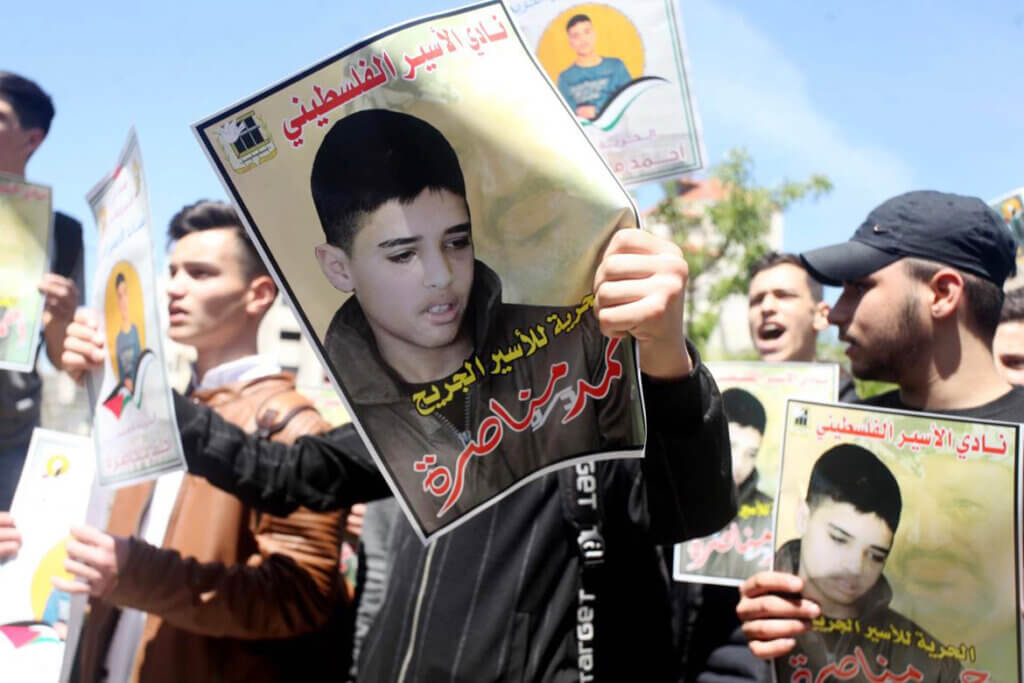
I laid on my mother’s bed, sprawled out across the mattress. The ceiling was the same champagne color I recall from my childhood as the sound of bangs and military jeeps rang outside during the brutal military invasions of Ramallah in the early years of the second Intifada. This memory was triggered as I followed the case of Ahmad Manasra, a young man who has been suffering Israeli mistreatment, abuses, and torture since he was 13.
It’s been almost exactly 22 years since experiencing the second Intifada, and if I’m candid, most of my memories are a blur. I am not entirely sure but it was a set of specific sounds which returned to me in what I can only describe as a haunting. I still have nightmares of invasions sometimes.
The Manasra story is, in and of itself, painful enough to feel the worthlessness of reporting. To keep repeating the same factual details of his case, and the urgency of the appeal to release him.
I laid on the bed with a paralysis which came from the limitations of language to explain Manasra’s story. I couldn’t capture the 14, 15, 16, 17, 18, 19, and now 20-year-old who only knows darkness in its diverse faces. One month of solitary confinement after the other, almost a year of consecutive isolation, constantly renewed by Israeli authorities at the behest of the Israeli Prison Services.
I couldn’t command the language to capture his horror, fear, and adolescent efforts to unearth some hidden inkling of hope from his tragic reality, a nightmare imagined. I couldn’t do service to the child, then adolescent, now almost adult, who has only known the prison walls of Beit Hanina in Jerusalem and then the prison walls of Eshel Prison, only to be moved again to Shakima Prison.
I closed my eyes. The sound of the metal walls I heard in Hasharon prison rang louder. What a terrible bang it is. I too was 20 then. The difference was that I had a group of older Palestinian women taking care of me as I cried. The difference was, I got released after a week. The difference was, the fabrications of soldiers’ testimonies against me were refuted by the journalists that were witnesses to my arrest.
I felt arrested again as Gaza was once more being bombed in early August. Then again as I spoke with the family of Ibrahim al-Nabulsi, a not yet 19-year-old who became hailed as the ‘lion of Nablus.’ My tongue was shackled and my thoughts censored out of fear that with every story I cover I am building a file that Israeli authorities will manipulate and criminalize as incitement.
This is the dilemma of journalism. The ways in which we allow our work to impact us is also a necessary recognition that the echoes of all the stories we report on will inevitably become a part of us.

