Escaping genocide in Gaza is the beginning of another struggle in exile.


Escaping genocide in Gaza is the beginning of another struggle in exile.
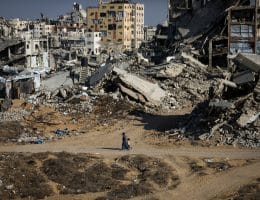
Three years since October 7, Palestine remains ground zero for a world where the unthinkable has become banal. Our Gaza and West Bank writers reflect on what has been lost and what this new normal has meant for Palestinians.
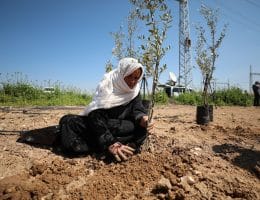
The olive harvest in Gaza is at risk, but the people of the land refuse to give up.
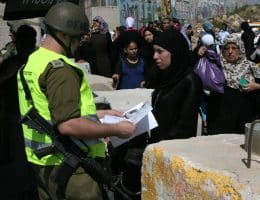
As a Palestinian journalist, I have spent my career explaining the context the world keeps ignoring. But I’ve come to realize that the context is itself the story, and we aren’t done telling it.
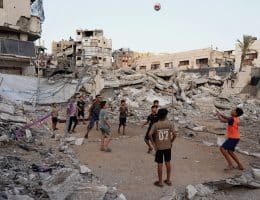
Trading backpacks for empty jerrycans, the start of a new school year in Gaza shows how radically the meaning of childhood has been redefined.
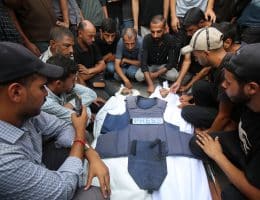
I didn’t choose to make my identity political. But for Palestinian journalists, even naming our own grief and experiences gets branded as ‘ideological’.
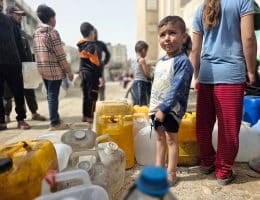
Whenever a crisis emerges in Gaza — a water crisis, a food shortage, dwindling medical supplies — the alarms are sounded and just enough aid trickles in to make the problem fade away. Then it’s deliberately replaced by another crisis.
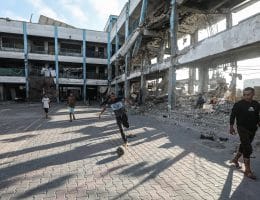
Children in Gaza used to aspire to become doctors or teachers, but today their dreams revolve around running a community kitchen, handing out aid, or leading a shelter. Yet even though the genocide rewrote their ambitions, it couldn’t erase them.
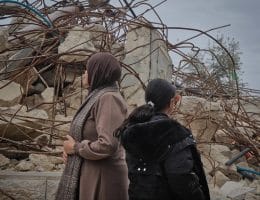
For years, I believed journalism gave Palestinians a voice, but the people I interviewed taught me that the voice was always theirs. I only needed to learn how to listen.
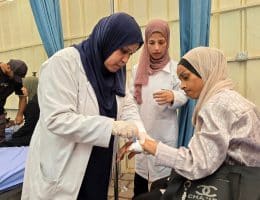
I called a man in Gaza to ask about how he’s surviving cancer amid Israel’s restrictions on the entry of medicine into the Strip. His son answered and told me his father had already died waiting for care.