Settler violence in the West Bank is escalating toward what Israeli leaders call a “decisive” goal: the depopulation of entire villages throughout the West Bank. As Palestinian journalists, we’re navigating how to cover this reality while living it.


Settler violence in the West Bank is escalating toward what Israeli leaders call a “decisive” goal: the depopulation of entire villages throughout the West Bank. As Palestinian journalists, we’re navigating how to cover this reality while living it.
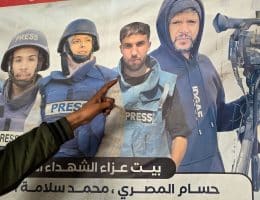
For years, mainstream media outlets lectured Palestinian journalists on the importance of “objectivity.” But the genocide in Gaza made us realize that they’re the least objective of all.

Every day that I report on Gaza, Gaza reports back to me. Its people, its streets, its memories, and its wounds — they all remind me that while I may be far from the land, the land has never been far from me.
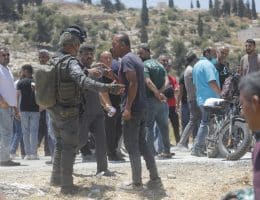
Israel is methodically dismantling any Palestinian presence in most of the West Bank and erasing Palestine from the map. But the way it’s unfolding doesn’t make the headlines.
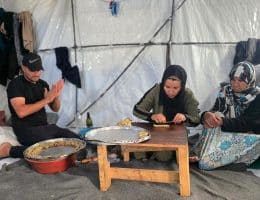
I called my friend in Gaza to wish him a happy Eid. He sent me a voice recording of the sound of drones.
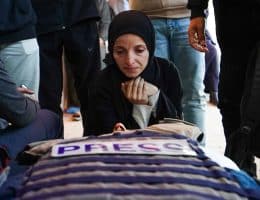
Ahmad Barakat knew he could be killed the moment he sat down to interview Hamas security leaders and police officers for our story. He did it anyway.
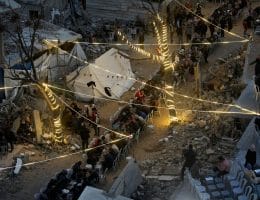
The genocide was not only the physical destruction of Gazans’ bodies and the annihilation of families — it also erased memories, traditions, and everything that reminds us of what we were.
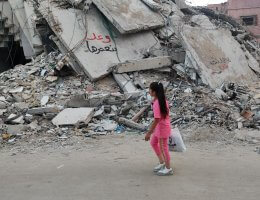
To write about Gaza in exile, you need to long for it.

“Palestine 36” isn’t a movie about the Palestinian revolution against British colonial rule. It is about the present crossroads that Palestine is facing.
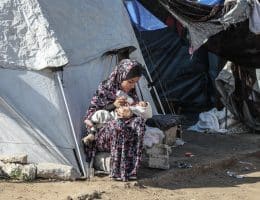
When I speak to friends and family in Gaza, it is impossible to have a conversation without talking about loss: loss of our homes, our livelihoods, and our loved ones. But even as we reel from two years of genocide, the hope of our people remains.