Ibrahim Abu Mahadi lost all six of his sons in a single Israeli airstrike. His mourning voice was the voice of all fathers clutching at their children in their tents, afraid to close their eyes and sleep for fear of what they might wake up to.


Ibrahim Abu Mahadi lost all six of his sons in a single Israeli airstrike. His mourning voice was the voice of all fathers clutching at their children in their tents, afraid to close their eyes and sleep for fear of what they might wake up to.
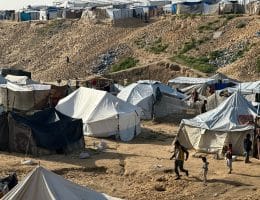
Sometimes I wonder if journalism is as pointless as politics. But when I speak to families in Gaza, I am reminded that in the face of global indifference, there is a duty, even if just to my own conscience, to try and change this horrible reality.
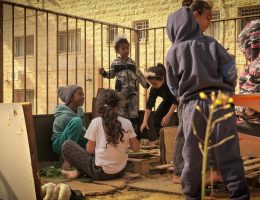
Political conflict was never the choice of Palestinians. It was and still is the ocean that separates them from their houses, their trees, and the graves of their elders, from Gaza all the way to Jenin.

When I ask my family members in Gaza how they’re spending Ramadan this year, they answer it’s just like any other month of deprivation in the past year and a half of genocide.

As I sit in Egypt in exile, looking at photos my family has sent me of our home in rubble, there is only one thing on my mind: my return to Gaza.
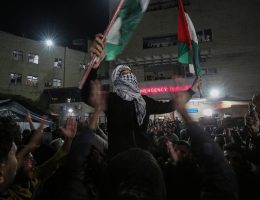
Israel’s genocide in Gaza has failed because although it destroyed Gaza’s infrastructure, it couldn’t destroy Gaza itself; it couldn’t destroy the people. Just as Israel has been unable to destroy Palestine after 76 years of trying.
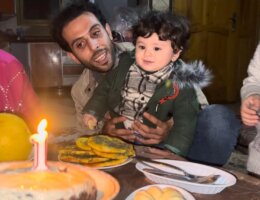
Even now, in moments of joy, all we think about are the things we lost, like celebrating a child’s birthday, celebrating the new year, or even the simple pleasure of gathering as a family without fear of the Israeli death that hovers around us.
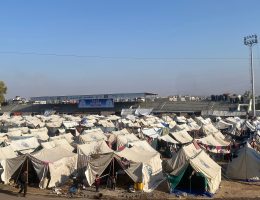
The Israeli genocide on Gaza has made being a journalist a deadly job. But even the most mundane aspects of journalism, like tracking people down to interview, have become a monumental task in the face of mass displacement and mass destruction.
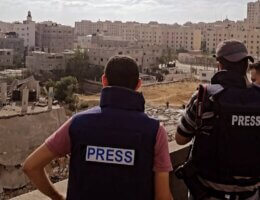
Ever since I could remember, I wanted to be a journalist. I wanted to practice journalism in Palestine, and about Palestine. I never doubted that through journalism I can help Palestine and the world be a better place, until last year.
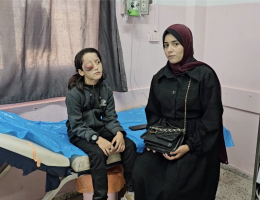
Israel has been exterminating an entire people for more than a year, and no one is willing to stop this madness.