I used to write about the world as I saw it and the world that I wanted to see. Now as I bear witness to the extermination of northern Gaza, I can only write about the unfolding horror.


I used to write about the world as I saw it and the world that I wanted to see. Now as I bear witness to the extermination of northern Gaza, I can only write about the unfolding horror.
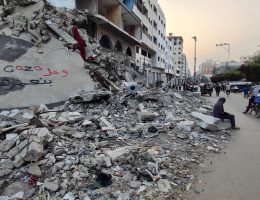
Palestinians have endured 76 years of the Nakba and now the 2024 genocide. Despite Israel and the West’s desire to erase our existence, we continue to declare, “We won’t leave.”
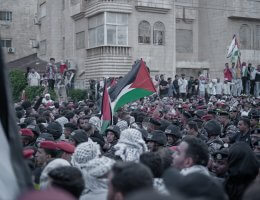
I stayed in Amman for the first time in my life the week before the Allenby border shooting. It was strange to be in an Arab country not under occupation, but I also saw Palestine everywhere.

A family of 12 people lived through three horrifying days, trapped with the body of their murdered family member. I spoke to one of the family members and heard their story.

I was catching up on the news when I saw a face I recognized. It was the grieving image of my friend Muhammad, who was holding up the birth certificates of his newborn twins. They were both killed in an Israeli airstrike alongside his wife.
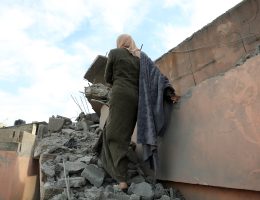
The story of a family whose house is demolished doesn’t end after the demolition is reported but only starts. As a Palestinian journalist, my job is to tell their whole story.
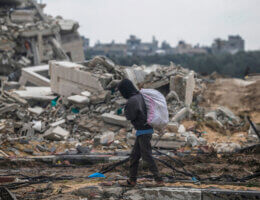
A person may feel great sadness following the Gaza war on television and social media, but experiencing the genocide first hand, researching it, knowing its victims, and listening to their stories, is something else entirely.
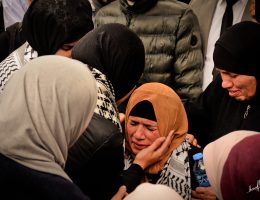
To be a Palestinian journalist is to constantly engage in the trauma of our people. It is difficult but essential work because telling our story is necessary to prevent our destruction.
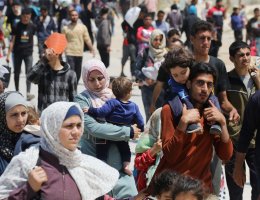
As a journalist I have listened to countless stories of Nakba survivors. They would always say, “we thought we would return.” I never imagined that in my lifetime I would be witnessing another Nakba, and saying the same thing.
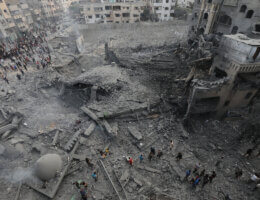
Israel is slowly cutting off Gaza’s communications with the outside world, because it wants to prevent us from revealing the massacres it is committing.