In the wake of a ceasefire, many will try to force the discourse into a binary of victory and defeat. But as the dust settles, a true picture emerges: one of the fragility of the Israeli colony, and the transformative power of resistance.
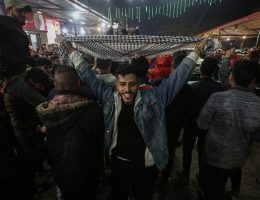

In the wake of a ceasefire, many will try to force the discourse into a binary of victory and defeat. But as the dust settles, a true picture emerges: one of the fragility of the Israeli colony, and the transformative power of resistance.

The PA’s deadly campaign against the resistance in Jenin is breaking long-standing taboos against spilling Palestinian blood. It is also raising profound questions over the future of resistance in the face of the Gaza genocide.

The October 7 Hamas attack unraveled truths across the region, reopening questions of the future that lay dormant for years. Now, with the fall of Assad, the power map is being redrawn, presenting new threats and possibilities.

The ceasefire agreement between Hezbollah and Israel has accomplished Israel’s goal of decoupling Gaza from Lebanon. But while the future of the Axis of Resistance remains unclear, so does Israel’s own strategic path forward.

Palestinians hold deep skepticism of courts based on generations of Israeli abuse. But the ICC warrants for Benjamin Netanyahu and Yoav Gallant are a moment to expose the contradictions of the American Empire and put a crack in the veneer of impunity.

Palestine did cost the Democrats the election, though not how some imagine. In Palestine’s fate millions finally understood their calls for change would remain unanswered. In this, Palestine revealed the malaise and dissonance of the American empire.
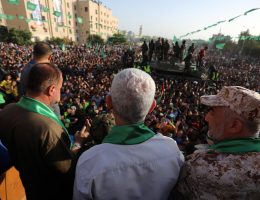
Yahya Sinwar’s last stand laid bare Israel’s weakness, exposing the truth about its post-heroic army that only survives from a distance and remains shielded by armor, unwilling to face its enemies head-on.
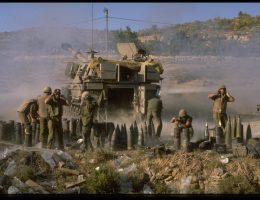
In Gaza and Lebanon, Israel is projecting its force while burrowing itself deeper into a quagmire. While it may achieve brief operational successes, it fails to extinguish the spirit of the resistance or coerce it into submission.

Abdaljawad Omar speaks to Mondoweiss about how the recent escalation of fighting between Israel and the Lebanese resistance is connected to the ongoing genocide in Gaza since October 7.

The current operation in the West Bank is meant to test the boundaries of what Israel will be allowed to get away with. It is setting the stage for the forced ethnic cleansing of the Palestinian people.