As the siege of Shu’fat refugee camp enters its fourth day, Palestinians there have launched a massive civil disobedience campaign to oppose Israel’s policy of collective punishment.
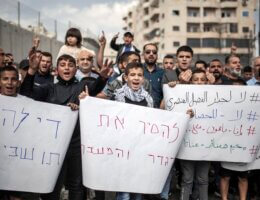

As the siege of Shu’fat refugee camp enters its fourth day, Palestinians there have launched a massive civil disobedience campaign to oppose Israel’s policy of collective punishment.
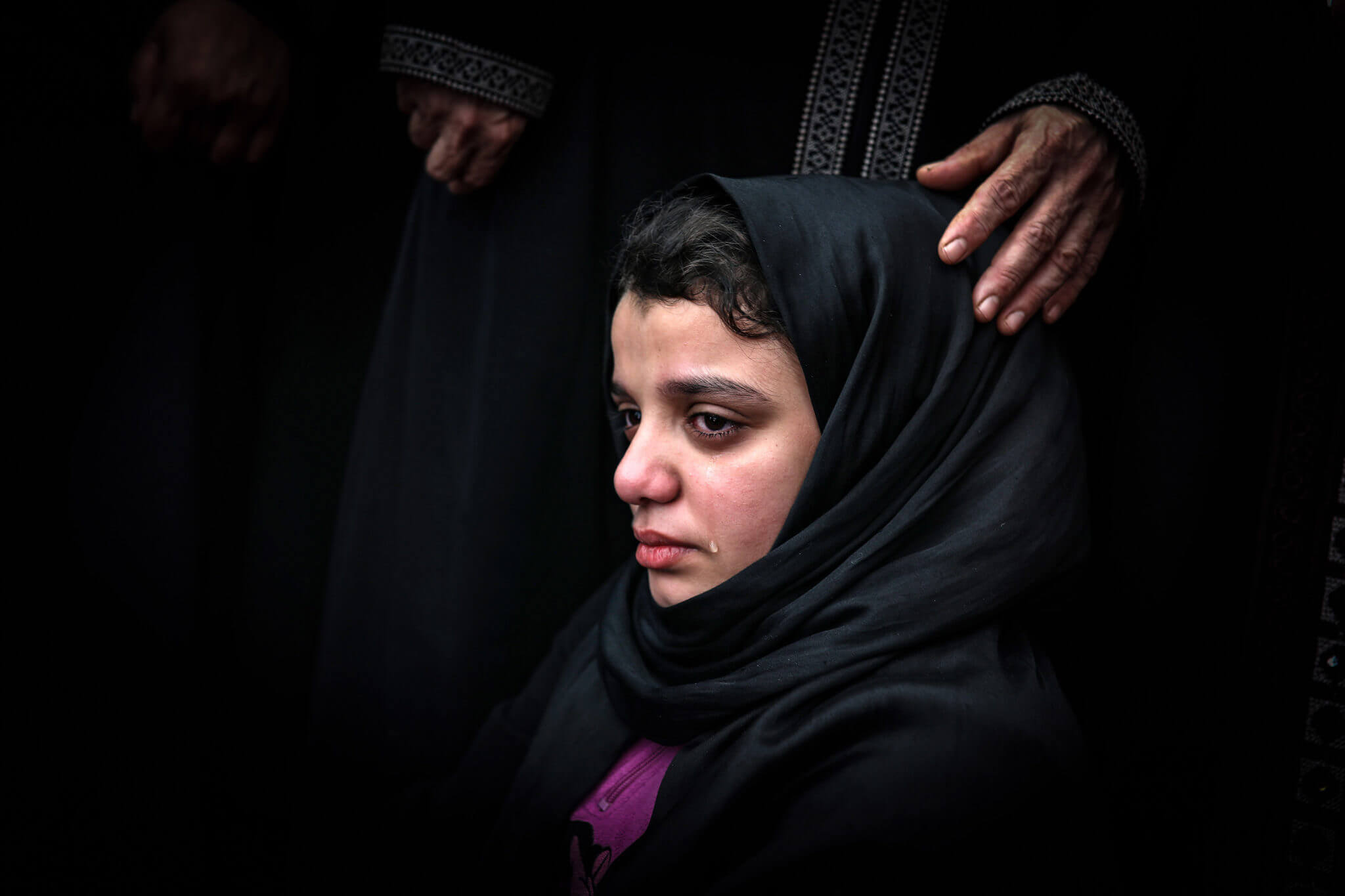
Mohammed Zaanoun shares the trauma of being a photojournalist in Gaza, as his work inspires artists around the world by humanizing the Palestinian struggle.
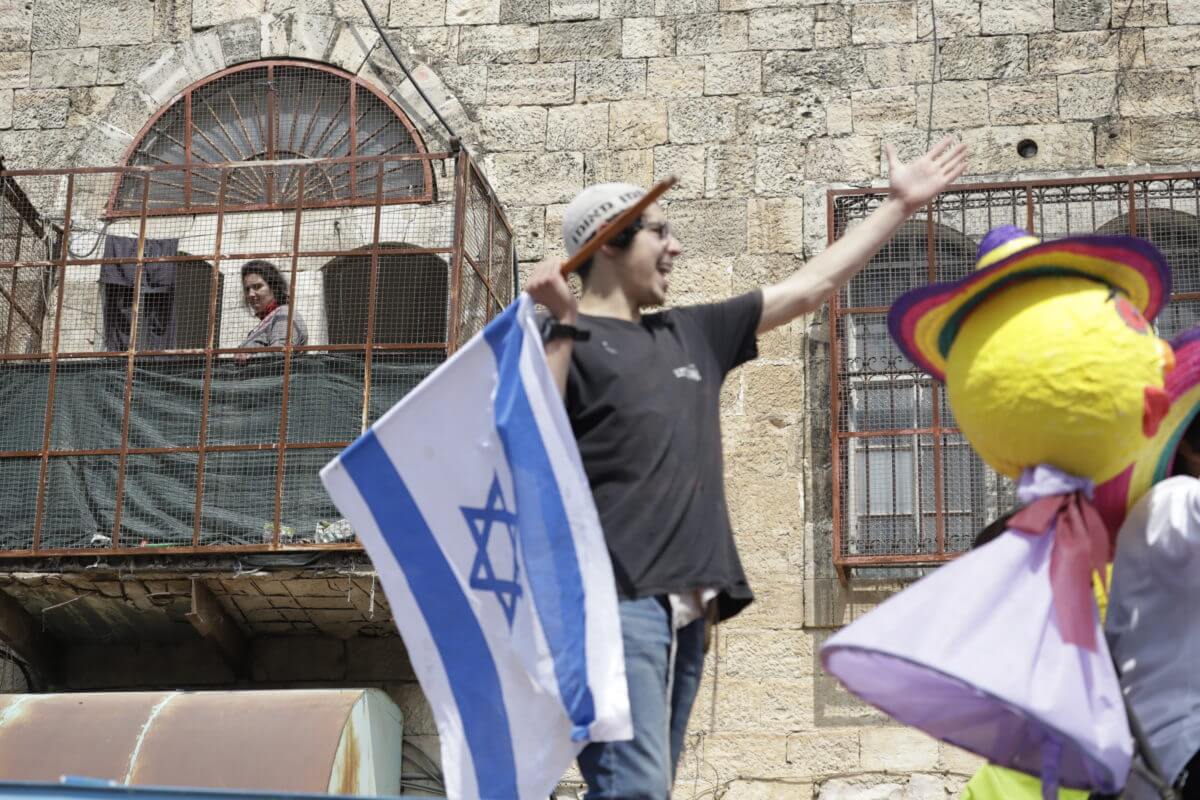
Ahmad Al-Bazz and Anne Paq send a photo essay from Hebron where Israeli settlers marched down Shuhada Street towards the Ibrahimi mosque to celebrate the Jewish holiday of Purim, under the protection of Israeli soldiers and police. The parade started at what was called the “Elor Azaria” junction, a reference to the spot where Azaria, an Israeli soldier and medic, killed an incapacitated Palestinian in March 2016.
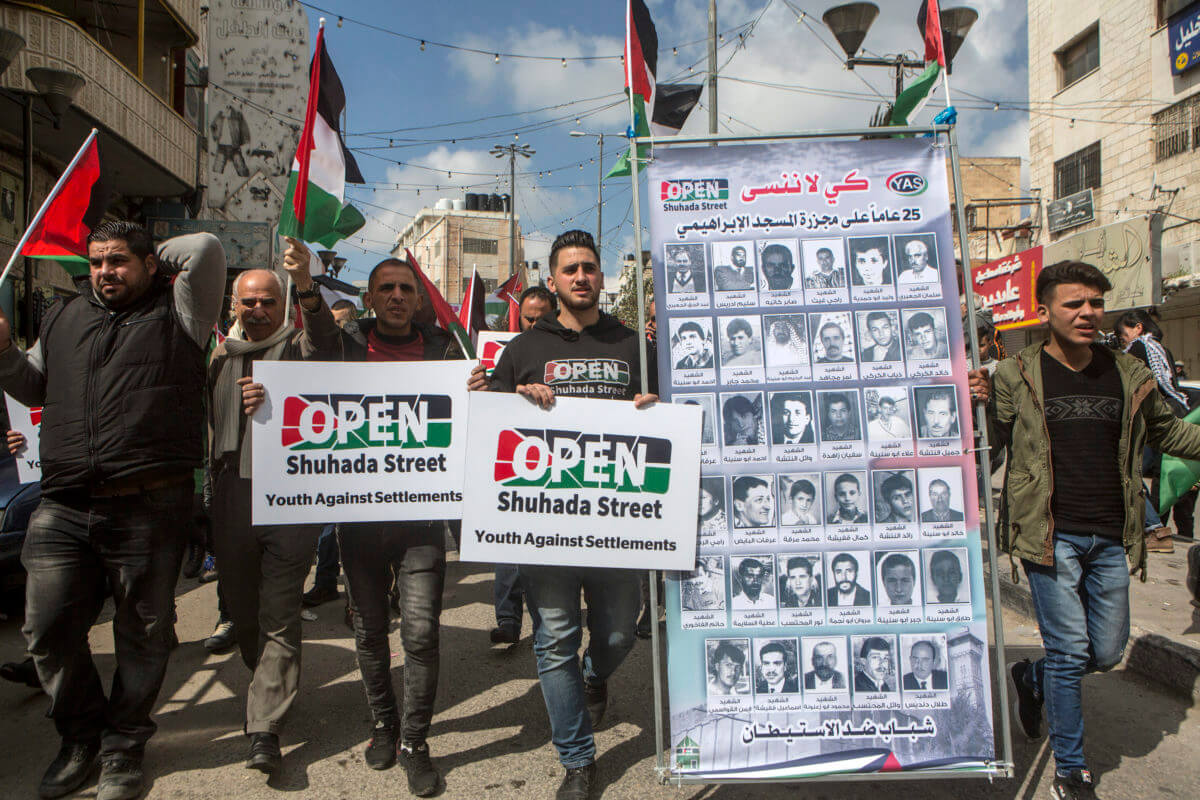
Palestinians took to the streets in Hebron to commemorate when a US-born Israeli settler named Baruch Goldstein opened fire on Palestinian worshippers in the Ibrahimi Mosque in 1994, killing 29 and wounding more than 100. The protests this year were held at a time of heightened tensions in the city following the Israeli government’s expulsion of international human rights observers from the city.
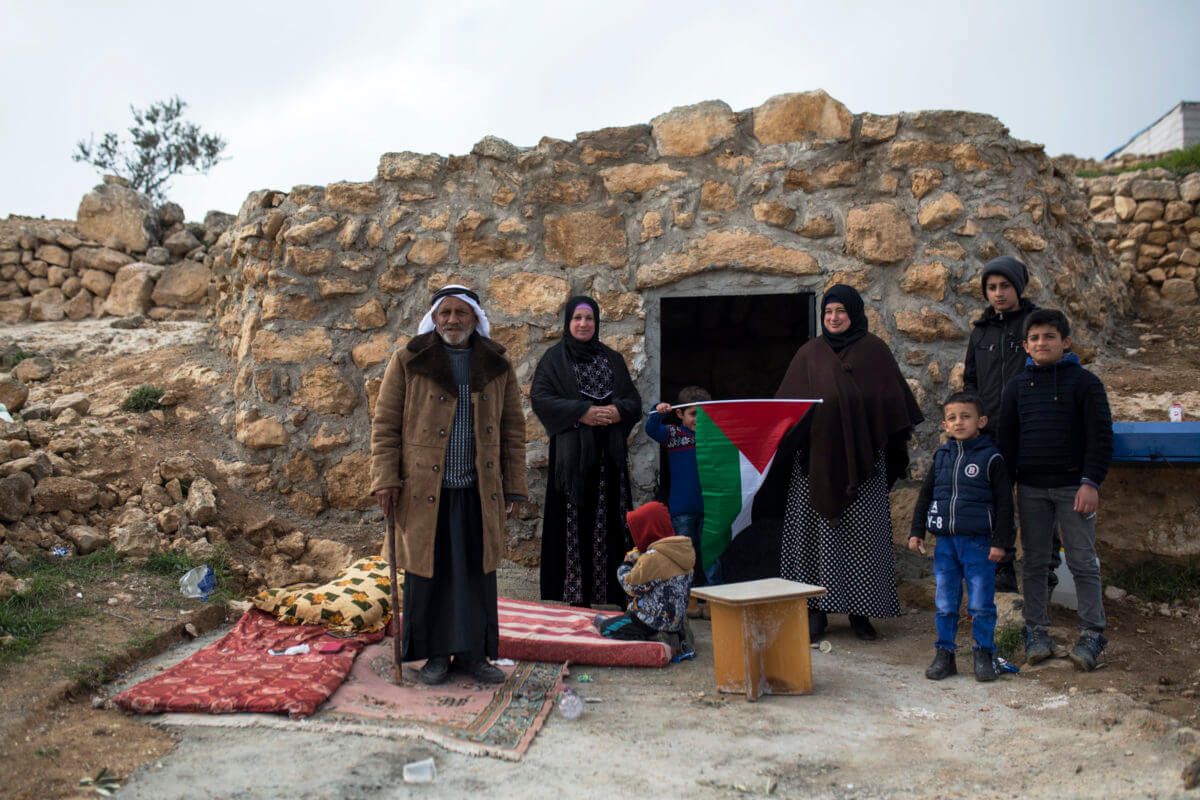
For weeks under the cloak of night Palestinians secretly renovated four caves and built a tin-roofed house in secret in the West Bank hamlet of Ar-Rakeez where only a handful of residents live. Because of rigid Israeli planning restrictions and frequent settler harassment, most of the Ar-Rakeez’s villagers moved to the nearby city of Yatta over the last 20 years. Yet in recent years locals have developed a strategy to repopulate the abandoned village by renovating caves, a legal loophole that circumvents Israeli policies of demolishing homes constructed or upgraded without a permit. Last week they opened the homes in a “bringing life back” ceremony.

On Friday, April 20, Israeli soldiers invaded the West Bank village of Nabi Saleh, home to the Tamimi family. The Israeli forces instigated clashes with Palestinian youth which lasted several hours, during which the soldiers shot scores of tear gas, fired rubber-coated metal bullets and live ammunition that wounded two of the protesters. “What’s happening now is what is happening every week, sometimes everyday, since nearly nine years”, explained Belal Tamimi. “The soldiers try to surround the village, they don’t want anyone to be near the spring area that the settlers occupied nine years ago. Every Friday, the situation is horrible.”

On March 30th, the village of Al Walaja welcomed Palestinians from from surrounding areas to mark Land Day by planting olive trees. The village has lost most of its lands since 1948, in successive waves of Israeli confiscations and land grabs. Ali Khalil Al-Araj, a resident from Al Walaja, 50, said, “I am here because this is our land. We will stay here and we will defend it. My family just with the settlement and the road, we lost 50 dunums. But we will stay and die here.”
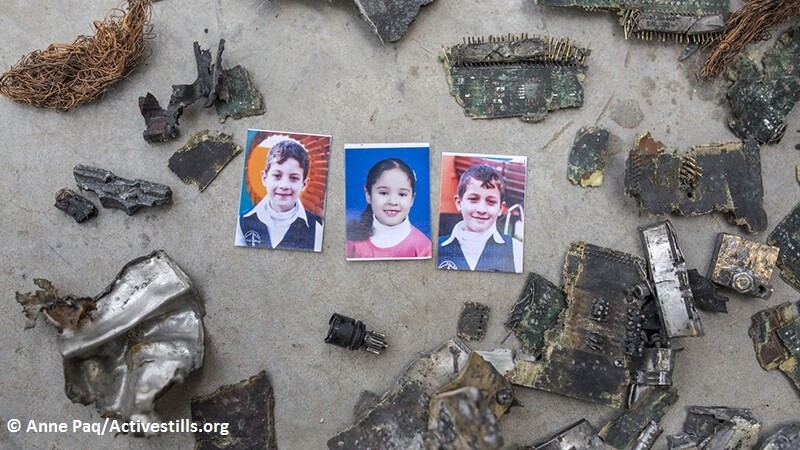
On 17 July 2014, three children from the Shuheibar family were killed by a missile most likely fired by an Israeli drone operator, while another two children were seriously injured. A component of that missile, collected by the family, had “France” written on it. Experts established that it was produced by Eurofarad, a French company later acquired by Exxelia Technologies. French human rights organization ACAT together with a local partner from Gaza, collected evidence and testimonies, and with the help of Ancile-avocats legal office submitted a complaint against the French weapons manufacturer for their complicity in war crimes and involuntary manslaughter.

Khalid Mahmoud al-Jawabreh, 19, was killed by Israeli forces Thursday in al Arroub refugee camp in occupied West Bank. At his funeral there were calls to resist Israel violence, and clashes followed
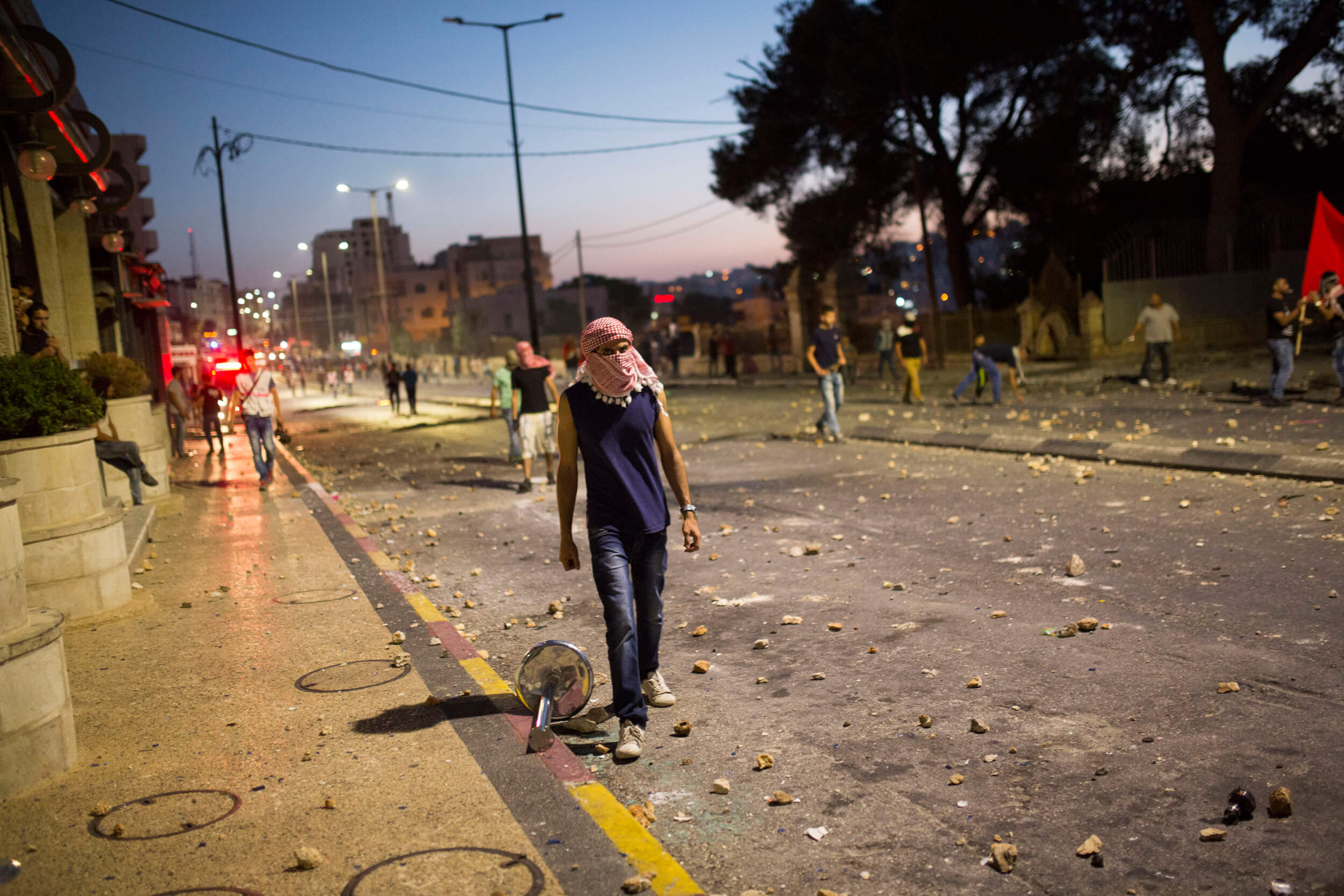
Anne Paq reports from the narrow streets of Deheishe camp where thousands of Palestinians attended the funeral of Mutaz Ibrahim Zawahreh, 27, who was shot dead by Israeli forces in clashes the day before. The tension and anger was very palpable during the funeral. Mariah a 25-year-old Palestinian from Deheishe explained: “When you keep destroyed our lives, you expect us to be quiet all the time? This killing just brought more anger. This is not a new Intifada, we are in a continuous intifada. We deserve freedom.”