Mondoweiss writer D. Musa Springer was detained, interrogated, and had electronic devices confiscated by DHS agents upon returning from international travel. Here they detail their experience and warn it shows the Trump assault on dissent is expanding.

In an interview with Mondoweiss, Momodou Taal discusses the threat of deportation for his Palestine activism, Cornell’s cooperation with the government crackdown on free speech, and what is at stake in his fight against the Trump administration.
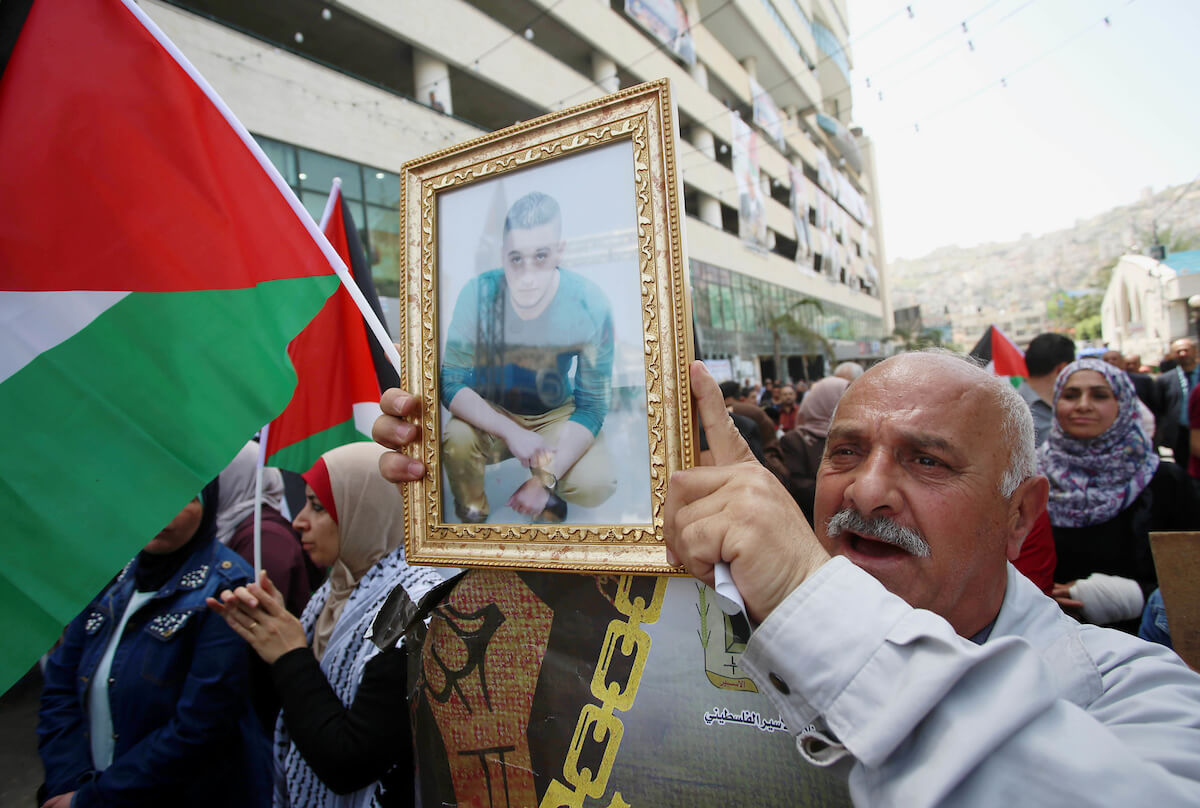
Palestinians show the world what it means to develop a culture that fiercely defends and values their political prisoners. Our survival as Black people inside the U.S. relies on us seriously heeding this lesson.
This spring as the fight to save Sheikh Jarrah, Gaza, and all of Palestine from Israeli settler-colonialism slowly became a mainstay in mainstream public discourse, thousands of artists, musicians, and other culture makers have spoken out in support if Palestine. These statements are not only important political bellwethers, but also essential catalysts for social change.
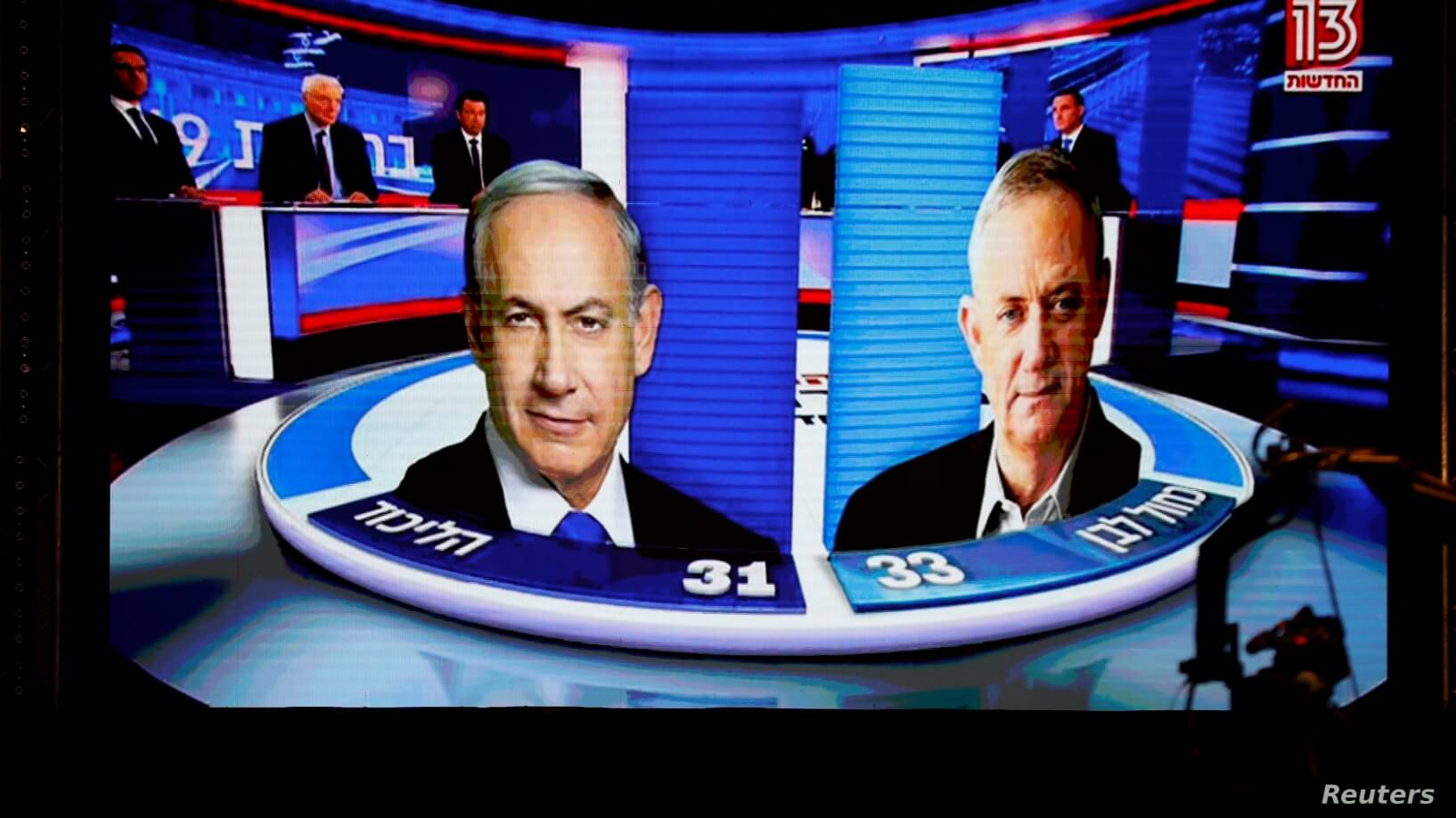
Devyn Springer reflects that as a Black person in the United States, Palestinian cynicism towards Israeli elections feels all too familiar. “So-called important national elections seem to always be at the expense of my community’s existing oppression,” Springer writes.
The Museum of the Palestinian People in Washington DC exhibits Palestinians from refugee camps, Israel, Gaza, the U.S. and Canada. “Having the museum open was not something easy to be done, especially with financial challenges and starting a space in DC, collecting items to exhibit. It takes courage to do that,” says museum curator Nada Odeh.
The issue of political prisoners resonates internationally, and are yet another key linkage between the movement for Palestinian’s rights and others. Devyn Springer writes that It is no coincidence, then, that many of the biggest non-Palestinian voices of solidarity are themselves former political prisoners, as well as prison abolitionists.
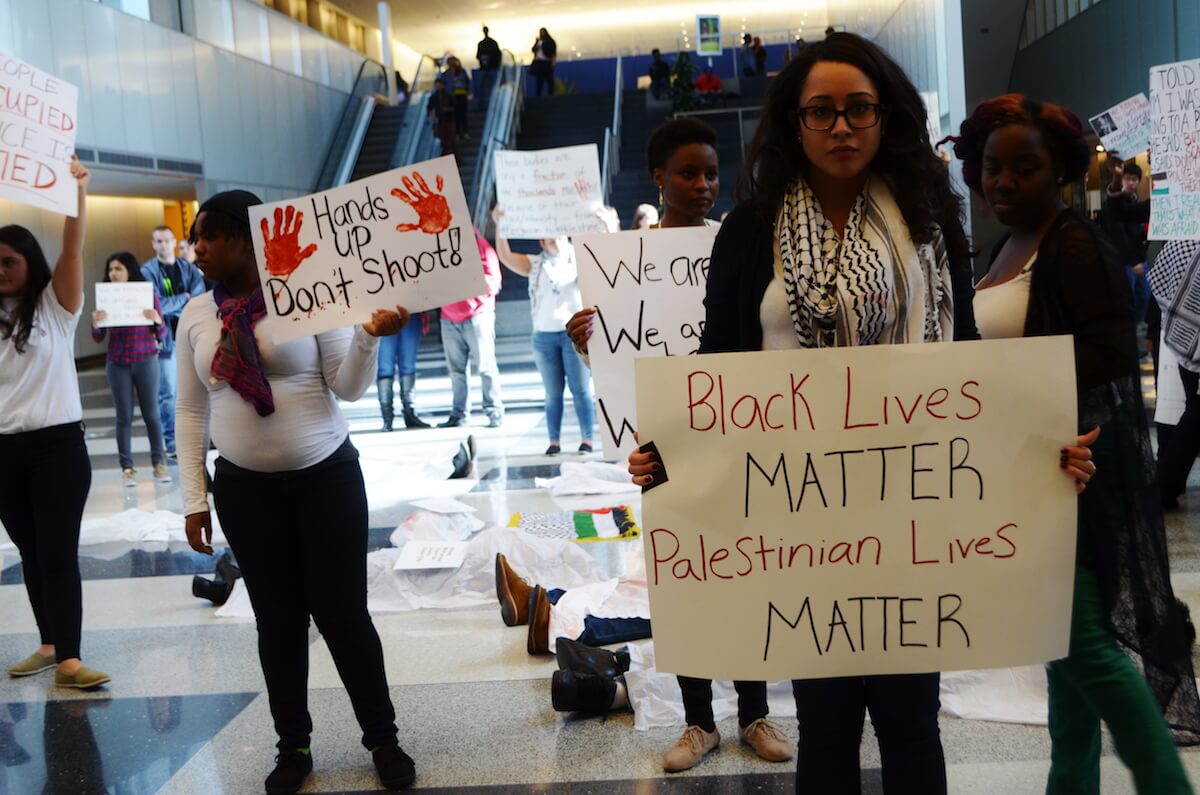
Devyn Springer reflects on the legacy of Black activists in the South organizing in solidarity with Palestinians: “No, solidarity organizing for Palestinians is not contained to the South. In fact, this organizing likely occurs across the country at varying rates probably higher in other places. However, the South has a legacy that cannot be ignored in this fight; one that is being reckoned with, actualized, and drawn upon as political and emotional spectacle to form its new movement for Palestine.”
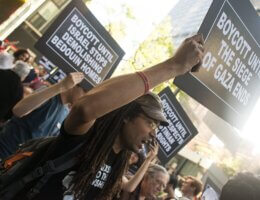
Devyn Springer says there is a clear pattern to how pro-Israel supporters attempt to discredit Black advocates for Palestine: “whether it is local rabbis blasting Black Lives Matter activists as ‘ignorant’ for including support of BDS in their demands, Zionist white feminists attacking the women’s movement for standing against Zionism, or the coded language against Alice Walker and NFL players that assumes they simply ‘don’t know what they’re talking about.’ The pattern is the use of anti-Black rhetoric and, in turn, anti-Blackness in whole, to perpetuate the assumption of Black ignorance to silence and belittle Black BDS advocates.”