Author

Browsing

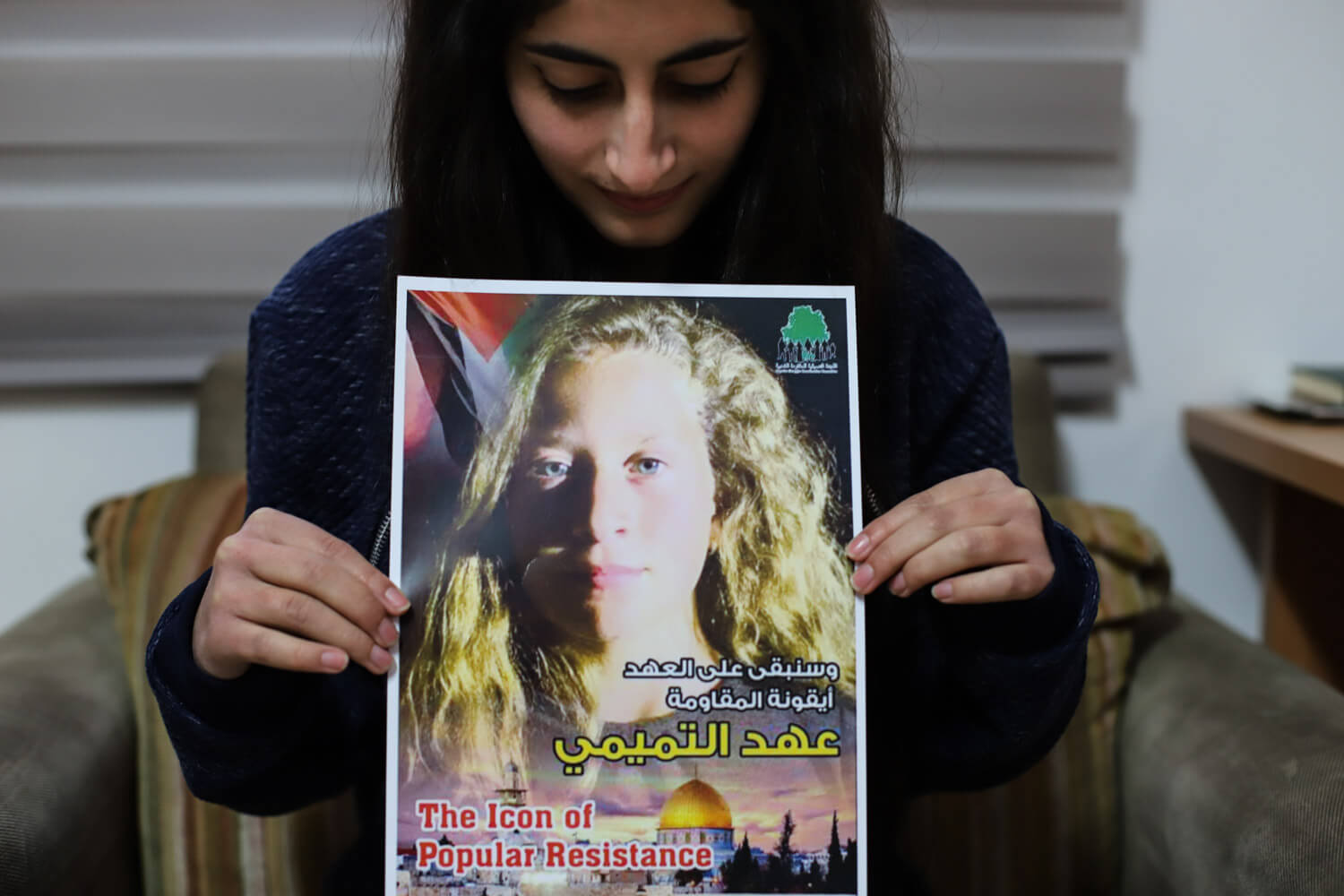
In the early morning on Thursday, Israeli soldiers stormed the Tamimi home in the West Bank village of Nabi Saleh and took 21-year-old Waed Tamimi, Ahed Tamimi’s brother. Waed is now being held at Israel’s Ofer detention center near Ramallah in the occupied West Bank and the family has not been told the reasons for his arrest. As the soldiers left the Tamimi home an Israeli army commander turned to Waed and Ahed’s brother Mohammad and told him: “Next time I will come for you.”

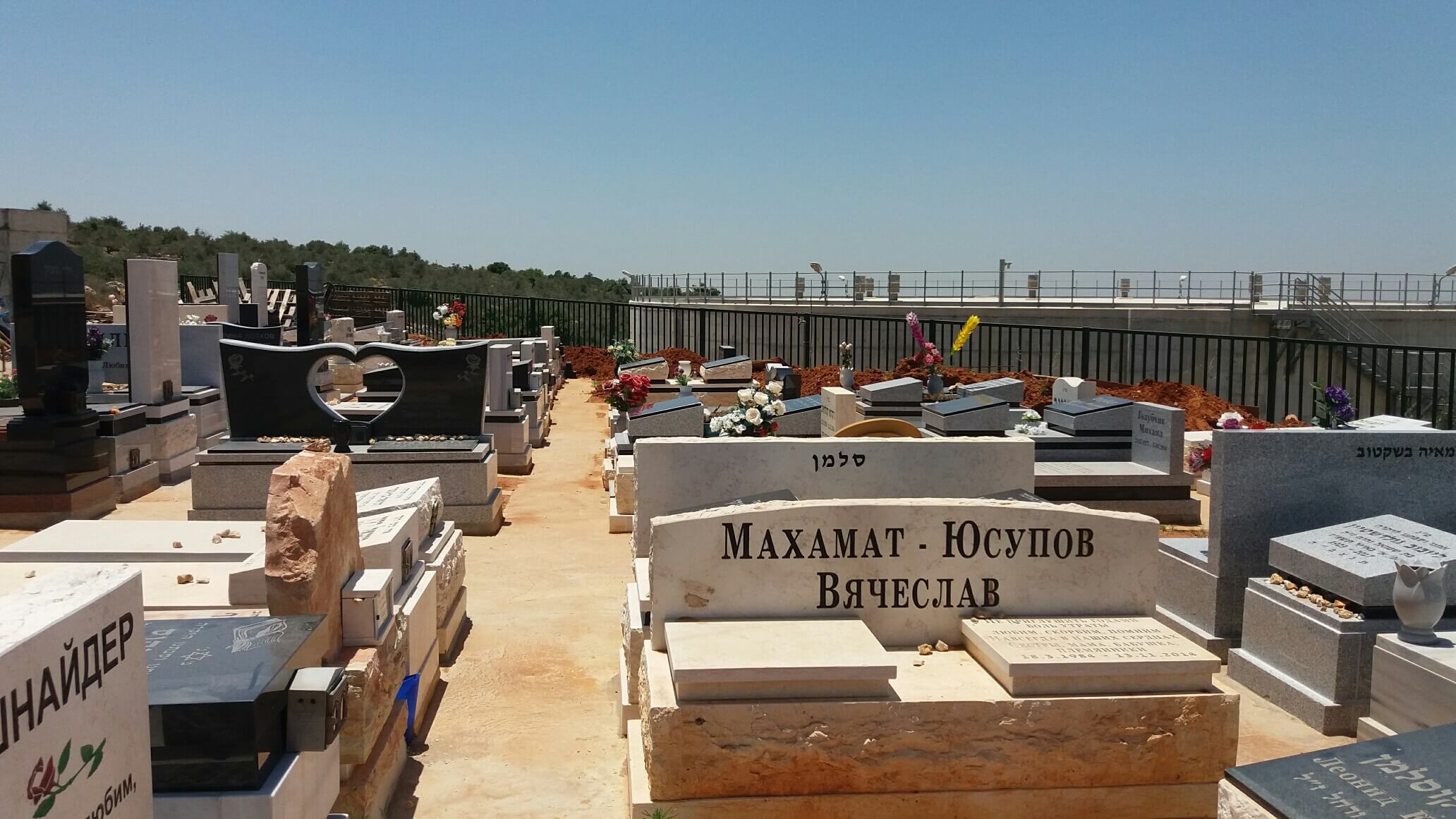
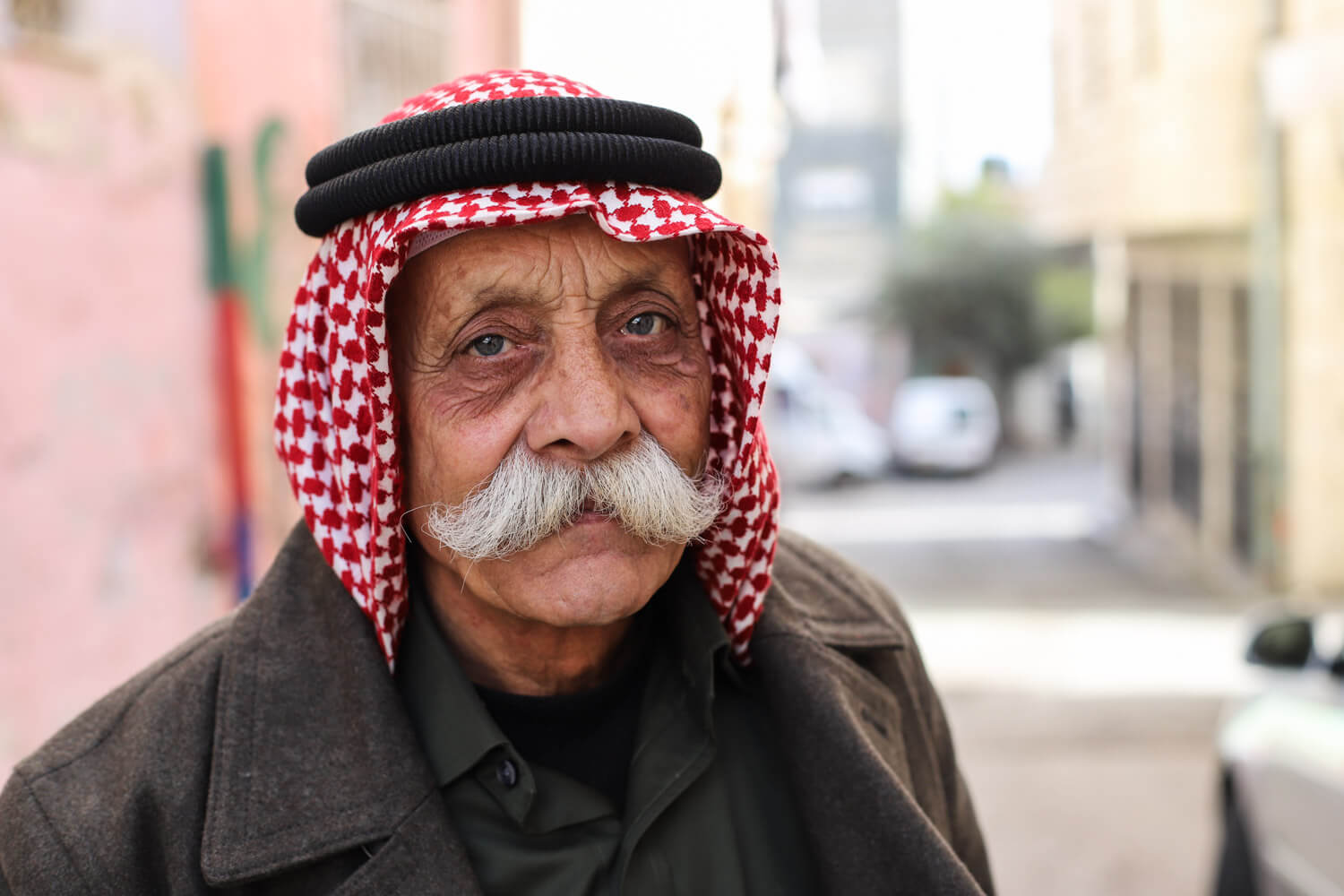
Israeli settlers have built 32 cemeteries across the West Bank. Palestinians say these markers are painful reminders that settlers have no intention of ever leaving the occupied Palestinian territory. In the last two years, Israeli cities in the West Bank, Ariel and Ma’ale Adumim, have established cemeteries. Ghassan Daghlas: “It affects us psychologically. The graves have a hidden message that they will never leave our country.”

Palestinian teenage poet Mohammad al-Kurd talks poetry and politics to Mondoweiss: “Being ‘apolitical’ is a privilege. Dinners in Palestine consisted of politics served and tabled before any food was. Expressive arms, opinionated and stubborn, persuaded and challenged whichever person had an opposing voice.” Al-Kurd’s first full-length poetry collection, “RIFQA” will be published later this year.

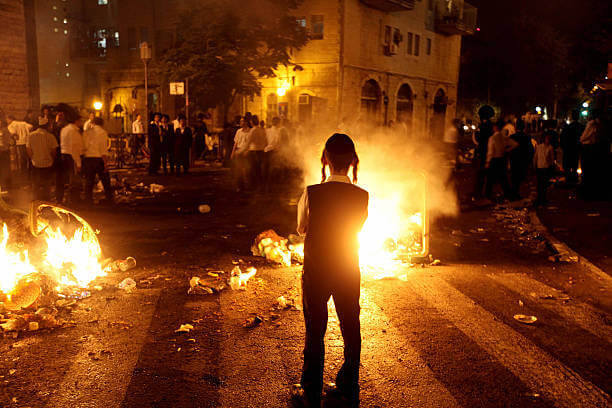
Many of the Eda Haredit, an ultra-Orthodox group in Jerusalem, are descendants of the Old Yishuv, Jews who resided in historic Palestine under Ottoman and then British rule. The group opposes the Israeli state and any attempts at assimilating them into the larger Israeli society. The cloistered neighborhood of Mea Shearim has become a symbol for the group and outside many Eda Haredit homes hangs a sign that reads: “Here lives a non-Zionist Jew.”

Major General Yoav Mordechai, Israel’s Coordinator of Government Activities in the Territories, claimed that 15-year-old Mohammad Tamimi admitted that the injury to his head was sustained from a bicycle accident, and not from Israeli forces shooting him in the face. Mohammad tells Mondoweiss he only said this because Israeli forces had “beaten him” into confessing. “We were in a car on our way to the interrogations and there were two Israeli officials who kept beating me in my face, back, everywhere and kept telling me that I had to admit it was a bicycle accident,” Mohammad said. “I was very scared and I didn’t want them to continue beating me, so I confessed.”

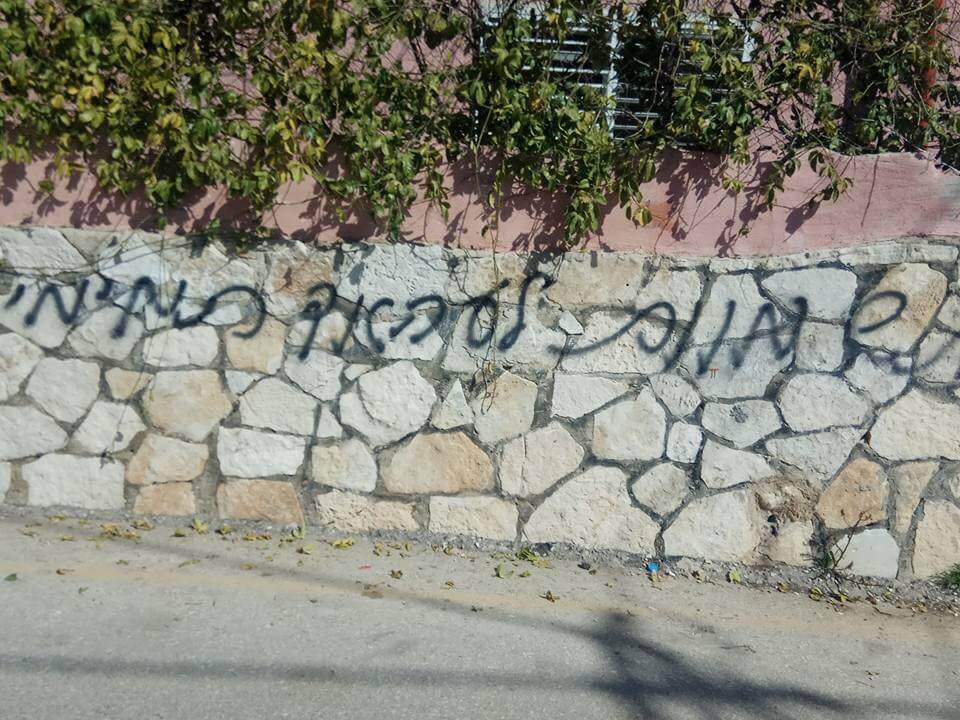
On Thursday night, when residents of Nabi Saleh in the occupied West Bank were sound asleep in their homes, Israeli settlers crept through the village’s streets, vandalizing walls with graffiti threatening jailed teen activist Ahed Tamimi and her family. Some of the graffiti reads: “Death to Ahed Tamimi,” “There’s no place in this world for Ahed Tamimi,” and another demanding that the Tamimi family be “kicked out of the country.”

Palestinians in Bethlehem’s Aida refugee camp have expressed their mounting anxiety over a US decision to slash funding to the United Nations Relief and Works Agency for Palestine Refugees in the Near East (UNRWA). Ahmad Abu Salem, who owns a small shop in Aida camp, tells Mondoweiss, “UNRWA is all we have. We don’t have any alternatives if they continue cutting services. We would have no jobs and nowhere to go. If these cuts continue the situation here could explode. Without UNRWA we have nothing.”

Omri Baranes is a 18-year-old conscientious objector who served 67 days in military prison for resisting Israel’s obligatory military draft in protest of the nearly half-century occupation of Palestine. “Even before I knew anything about the occupation of Palestine, I couldn’t understand why our culture was centered on violence,” Baranes tells Mondoweiss. “It’s like we are born with guns in our hands. Our society is so militant and most Israelis never learn anything else.”