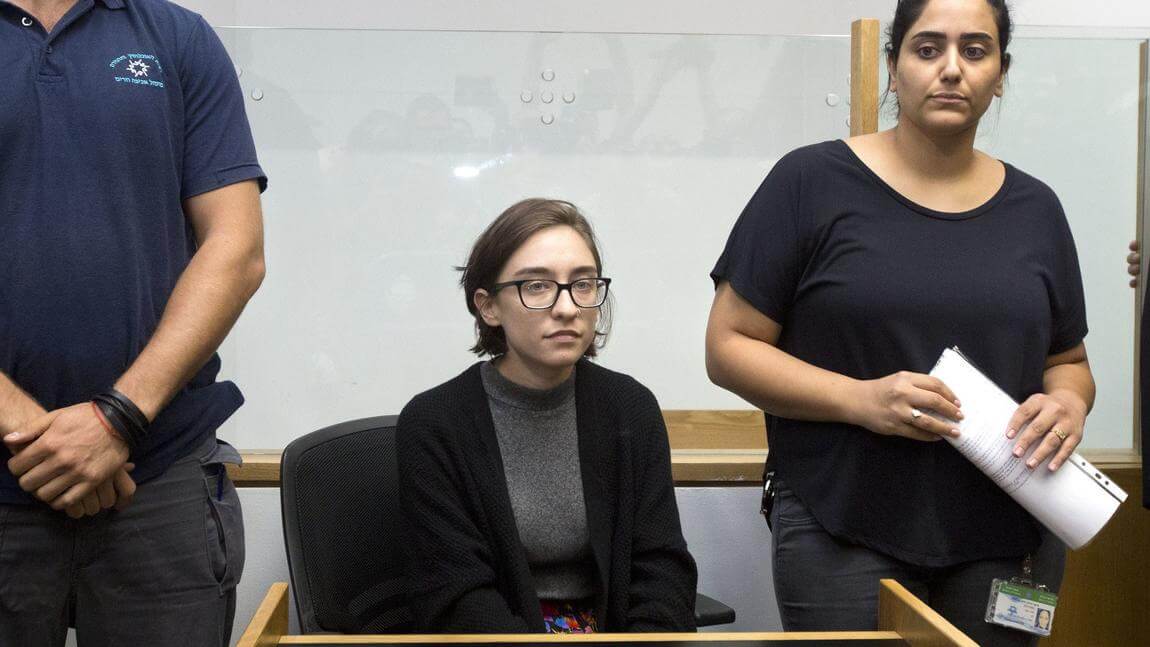
The case of Lara Alqasem, the American citizen fighting deportation from Israel, is shining a bright light on Israel’s racial profiling of American students, the growing witch hunt against BDS activists, and the very real impact of smear websites. It is also catapulting into prominence the rationale behind the academic boycott of Israel.
With midterm elections happening across the country, Americans are once again debating the value of voting for “lesser evil” candidates, or candidates who are not quite satisfactory on all issues. Texas’ Beto O’Rourke is a prime example. He has endeared himself to many because of his clear support for NFL athletes taking a knee during the national anthem but has showed the same directness in his unambiguous support for Israel. What is a progressive voter to do?
From the author of “P is for Palestine,” comes Goldbarg Bashi’s next children’s book “Counting Up the Olive Tree: A Palestine Number Book,” due out in January 2019. Young readers learn to count with a band of Palestinian children who ditch their soccer game to save “the last olive tree” from a “woeful woodcutter.”
Nada Elia writes that American academics heading to Israel for a conference in cooperation with the Israeli government give cover for Israeli human rights abuses: “The conference highlights the complicity of Israeli universities in the oppression of Palestinians, as well as Israel’s propagation of racism and law enforcement violence globally. And U.S. academics are lending their presence and their voices to this charade.”
When Rashida Tlaib’s J Street endorsement was publicized, the soon-to-be Congresswoman did not seek to fudge her stance for fear of alienating the powerful Zionist lobby. She made clear she supports BDS, the Palestinian right of return and the one state solution, and promptly lost the endorsement. Nada Elia celebrates the move and writes, “this outspokenness, this insistence on considering genuine solutions, rather than continuing the charade of politics as usual, while seeming concerned, that is endearing today’s rookie politicians to an otherwise utterly disillusioned American people.”
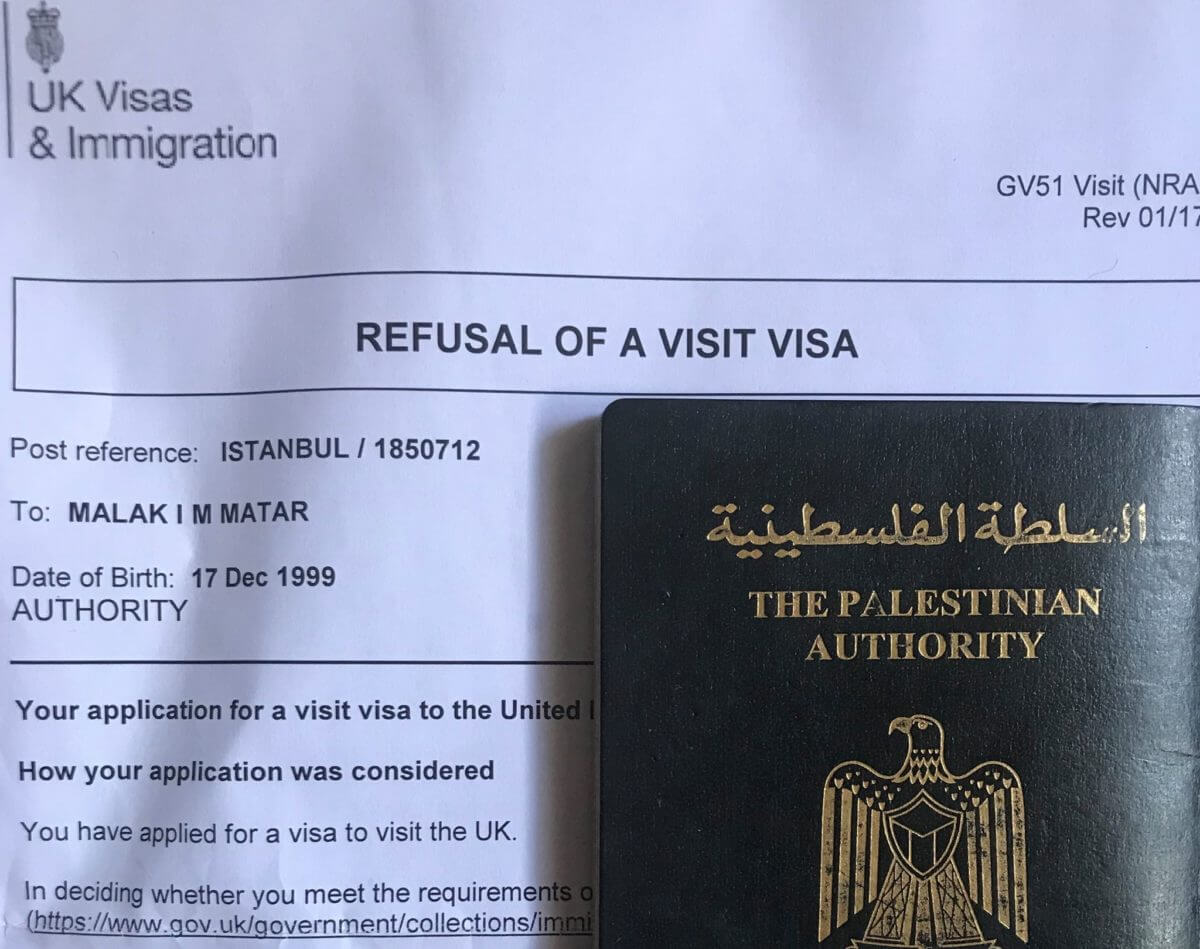
Palestinian artist and college student from Gaza, Malak Mattar, was denied a visa to the UK and France where her paintings are on display. The artists said on social media that the UK rejection letter indicated that it did not believe she was a real college student.
Alexandria Ocasio-Cortez may not know enough about Palestine, but she needs to hear from real progressives, not from the various shades of Zionism that have long held the Democratic Party hostage. She needs to understand that whereas Palestine may not be a regular topic of conversation around the kitchen table in a Porto Rican house, it is nevertheless an issue of national import.
In the past few days, two incidents involving Jewish individuals’ experiences in Israel made the news in progressive Palestine rights circles. The first is that of the young women walking away from a Birthright tour to visit parts of Palestine that were not on the itinerary, and the second is the case of Code Pink national organizer Ariel Gold, who was denied entry into Israel, even though she had obtained a student visa for a summer course at the Hebrew University. While it can be argued that in both cases, the activists meant no harm to Palestinians, Nada Elia writes that the incidents nevertheless reflect the ongoing normalization of Zionism. “In light of Israel’s open embrace of Jewish supremacy,” Elia writes, “it is incumbent on progressive Jews who want to challenge Israel’s racism today that they stop taking advantage of their unearned privilege.”
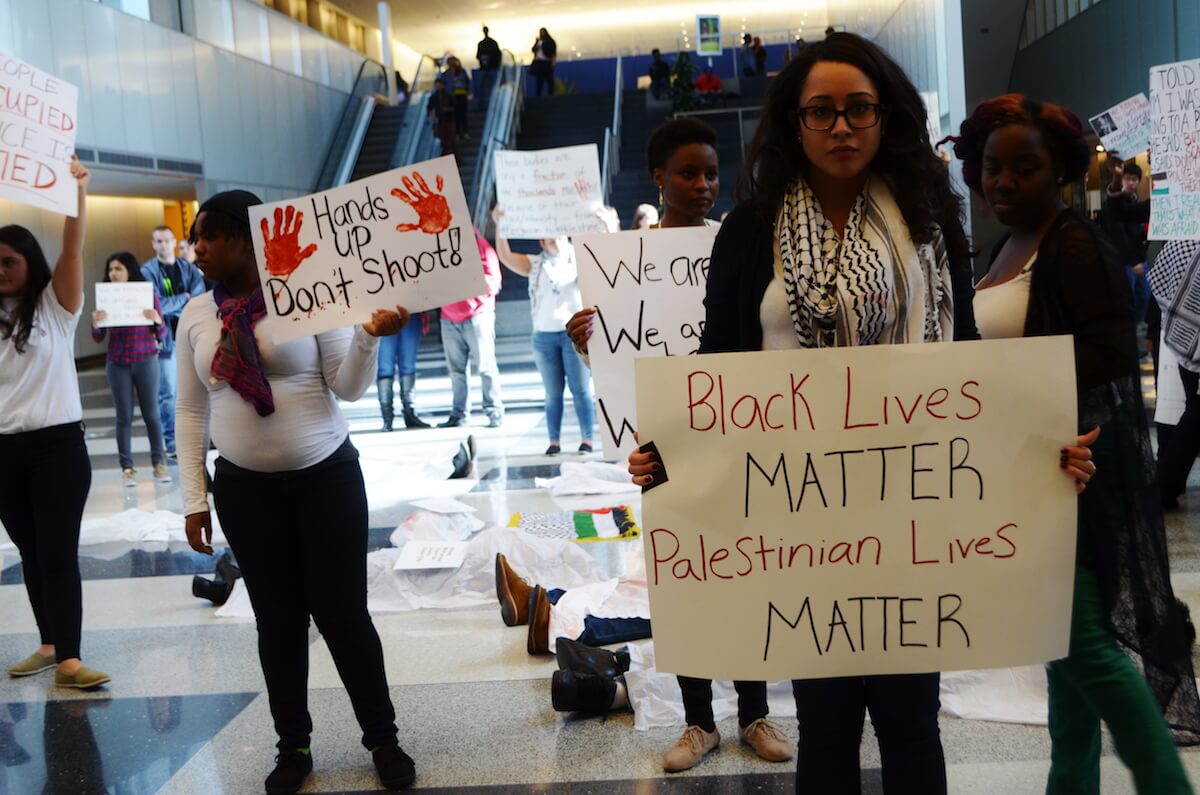
Nada Elia writes, “Protests, planned and spontaneous, play a major role in that they show popular support for the plight of the Palestinians, but we cannot just protest, then go home. Just as Al Nakba is ongoing, so our outrage must be sustained, long-term. We must go beyond the anger of the moment, the chants and slogans and pumping fists in the air, to focus on the slow, less immediately gratifying, more tedious work of strengthening the foundation of our better future.”
Many Palestinians and their allies had long maintained that the Palestine predicament was absolutely unique, but Nada Elia says an increasingly larger number of Palestinians now appreciate the similarities between their oppression and the oppression of others. Elia writes, “As we commemorate seventy years of Palestinian Nakba, seventy years of ongoing catastrophe, we can finally envision freedom through the end of Palestinian exclusivity: we exist, as a distinct people, despite the Zionist claim to the contrary, and we are not terrorists one and all, but freedom fighters and civilians standing up for our human rights, as freedom fighters and disenfranchised civilians have stood up and will continue to stand up for their human rights all around the globe.”