“Facing Gaza,” by artist-scholar Robert Hardwick Weston is a collection of montages of images posted on social media, juxtaposing destruction in Gaza during the 2014 war between Israel and Hamas, and life in Israel.


“Facing Gaza,” by artist-scholar Robert Hardwick Weston is a collection of montages of images posted on social media, juxtaposing destruction in Gaza during the 2014 war between Israel and Hamas, and life in Israel.
The Episcopal Church of Vermont stood up loudly against Israel’s U.S.-backed oppression of the Palestinians, Nov. 4, as its annual convention, condemning by an 89-25 majority what it said are the Jewish State’s apartheid policies. Similar resolutions will soon be considered by other Episcopal dicoeses.

Kevin Hadduck had never met a Palestinian until five years ago when a student studying Latin walked into his office. This chance encounter led to Hadduck’s “Beloved Brother, Beloved Sister,” a book of poems from voices in Gaza.

This month marks the 39th anniversary of the Sabra and Shatilla massacre. Ellen Siegel, now 79 and a retired nurse in Washington, D.C., talks to Steve France about what happened to her in 1982, when she was working as a volunteer nurse at the hospital in the Shatila neighborhood of Beirut: “The soldiers’ rifles were pointed at us. Some of my fellow hospital staff started crying. I wondered, was anyone going to know that I died in this refugee camp?”

Ben & Jerry’s acceded to activist pressure to stop selling in the occupied territories because the Movement for Black Lives insisted that Palestine was in its agenda for racial justice and when Israel committed its May massacre in Gaza, there were 300 protesters outside the Ben & Jerry’s store in Burlington chanting “Shame, Shame, Shame.” An organizer says, “It shook up the Ben & Jerry’s people.”
“We reject Israel’s apartheid system of laws and legal procedures,” the United Church of Christ stated at its general synod, in a resolution approved by 83 percent of members despite an appeal by the American Jewish Committee that the resolution should mention “Israel’s relentless pursuit of peace for 73 years.”
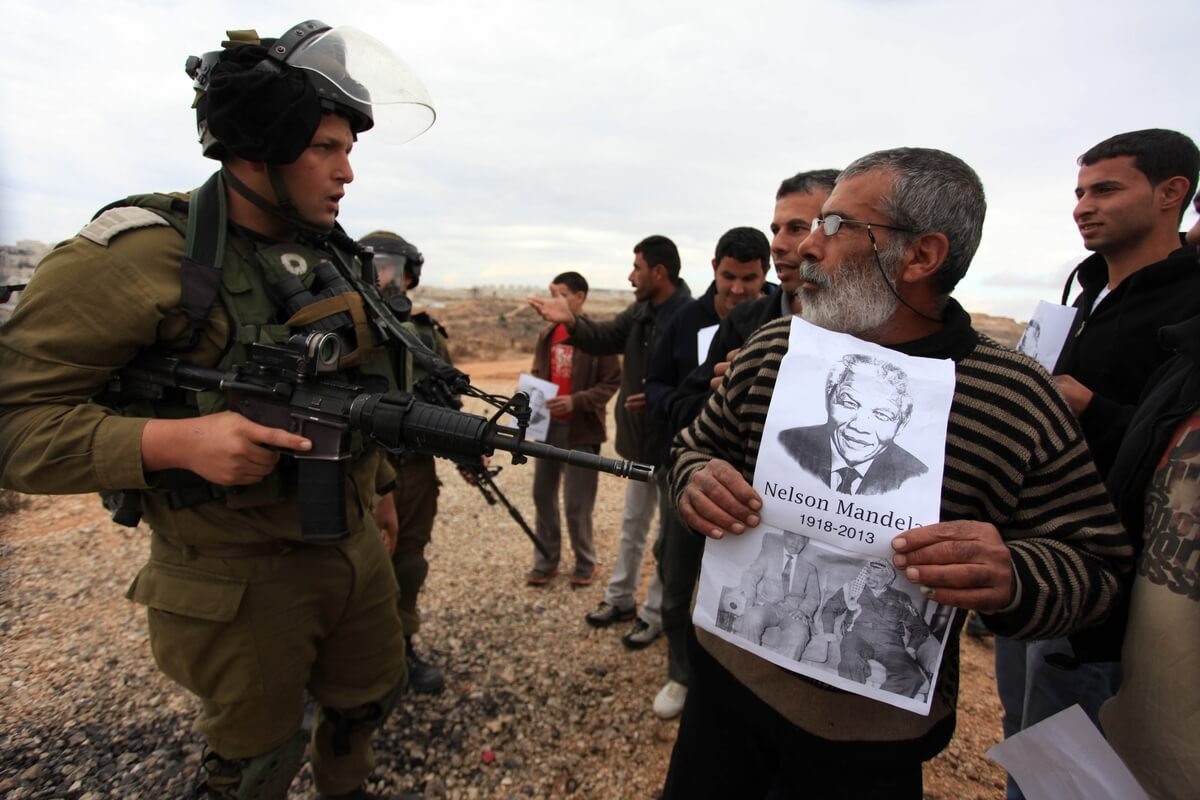
An important difference between apartheid in South Africa and Israel is that South Africans openly embraced white supremacy as law and apartheid. In the case of Zionism, the untruth of inequality is anything but transparent. It has been disguised and denied by a relentless barrage of shifting alibis, exculpations, mitigations, as well as heavy demonization of critics.
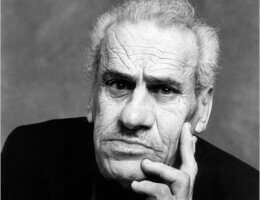
Taha Muhammad Ali, a beloved poet from Nazareth who died in 2011, was a master of the ‘Palestinian Absurd’ and is remembered for his searing poems that mused on happiness and its limitations.
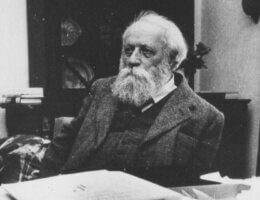
Today the idea of a hopeful, humane Zionism is obsolete. For more than 100 years Jews wrestled with Zionism’s darkness. Daphna Levit profiles those thinkers, who range from enshrined heavyweights like Buber, Albert Einstein, and Hannah Arendt, through more specialized contemporary scholars, journalists, activists, and lawyers. All of them once believed in a hopeful Zionism; all resisted its darkness; not all of them went all the way to renounce it completely.

In Yishai Sarid’s novel, Israelis act out rituals of grief and mourning for the Holocaust and come away repulsed by their ancestors, the victims of a horrific genocide, and admiring of the Nazis in their “Hugo Boss” uniforms. “That’s what we should do to the Arabs,” one whispers. Yet US media have failed to grasp the novel’s moral about Palestinian dehumanization.