For many Palestinians, the olive harvest isn’t just about picking olive it’s symbolic of their culture, their tradition, and the Palestinian ties to this land.
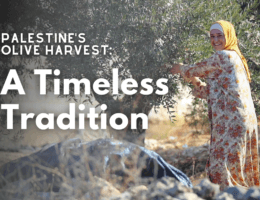

For many Palestinians, the olive harvest isn’t just about picking olive it’s symbolic of their culture, their tradition, and the Palestinian ties to this land.

Israeli Prime Minister Benjamin Netanyahu and US ambassador David Friedman announced amendments to US accords, sought by Trump’s biggest backer, Sheldon Adelson, that will allow US taxpayer money to be spent in Israeli settlements. Adelson seems to want to get as much out of Trump in what time remains.

“If you’re looking for a key sign of what occupation is about, it’s what’s happening in the olive groves,” human rights monitor Ghassan Daghlas tells Mondoweiss.

While Emirati citizens will be allowed into Israel without visas, Palestinians living inside the opT must undergo a painstaking process to obtain a permit to enter Israel for anything from work, health and humanitarian emergencies, to a simple visit to religious and cultural sites in Jerusalem.

Saeb Erekat, 65, Secretary-General of the PLO, is reportedly in critical condition after contracting COVID-19 earlier this month. Israeli Knesset members condemned the decision to admit Erekat to Hadassah hospital in Jerusalem, saying that Israel should have demanded Palestinian political concessions in exchange for his treatment.
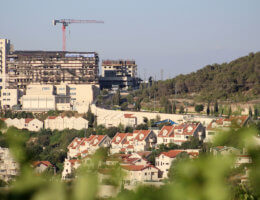
The Netanyahu government has advanced plans for 4,948 new settlement units in the West Bank, signalling an end to the pretense that Israel halted its annexation plans in exchange for normalization with Arab countries. Analysts suggest the slate of approvals are part of a larger effort to take advantage of US support while Donald Trump is still in power.
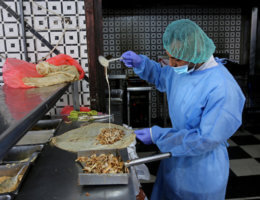
Palestinians are trying to enjoy the cooling temperatures and beauty of things like the olive harvest as much as they can, before another spike in the coronavirus, flu, or any other unforeseen challenges that 2020 is sure to throw this way.

Despite being been stuck living between COVID-19 and the Israeli occupation, Palestinians have come up with unique and creative solutions to the problems that they’ve faced because of the coronavirus. In this final episode of our COVID-19 series in Palestine, we’re showcasing Palestinians who responded to the coronavirus pandemic using innovation and creativity as a way to help their communities adapt to the crisis around them.
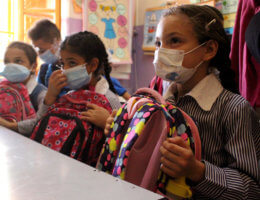
Half a year, and nearly 54,000 cases of the virus later, the devastating effects that the coronavirus pandemic has had on the Palestinian economy and society are just now becoming clearer.